
 English
 русский
 Français
 Español
 Português
 Deutsch
 عربى
عربى
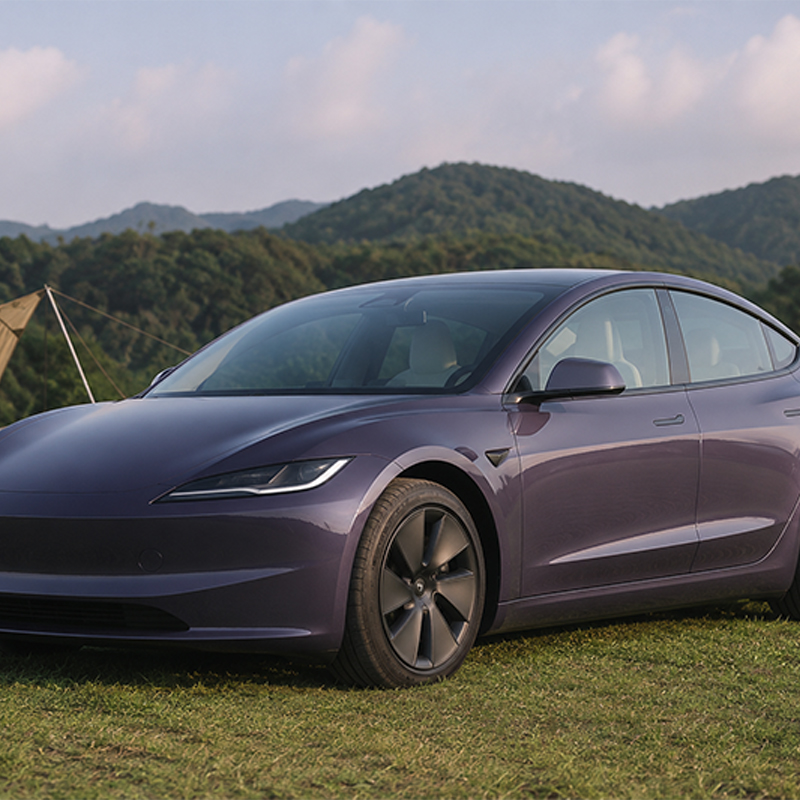
Crystal Violet is a captivating color change PPF that brings a mysterious, jewel-like purple hue to your vehicle's exterior. Rich and luminous, this s...
See Details
Crystal Color PPF: The Clear Choice for Paint Protection & Style
Content
What Crystal Color PPF Actually Delivers
A single rock chip on the highway can devalue a pristine finish by hundreds of dollars. Crystal Color PPF addresses that risk head-on with a multi-layer urethane film that remains optically clear while adding a dimension of color customization. Unlike basic clear bras, this film incorporates a transparent tint or color-shift layer that lets you subtly alter the vehicle’s appearance without hiding the factory paint.
The film bonds at the molecular level, self-heals light swirls with heat, and blocks over 99% of UV radiation. It preserves the original clear coat while giving you a personal styling signature—all without the permanence of a respray. Installers commonly use it on high-impact areas like the front bumper, hood, fenders, mirrors, and door cups, but full-vehicle coverage is increasingly popular for consistency.
Comparing Crystal Color PPF to Standard Clear Films
Standard paint protection film offers excellent physical defense but no aesthetic upgrade. Crystal Color PPF adds a controlled optical layer that can shift from cool blues to warm golds depending on lighting, or stay as a pure high-gloss clear. The critical difference lies in the top-coat and adhesive chemistry.
| Feature | Crystal Color PPF | Standard Clear PPF |
|---|---|---|
| Color customization | Transparent tint, color flip, or ghost effect | None — purely clear |
| Self-healing speed | 15–30 seconds at 60°C | 20–40 seconds depending on formula |
| UV blocking | >99% | Typically 95–98% |
| Gloss finish | High-gloss with depth enhancement | High-gloss, no depth change |
| Thickness tolerance | ±0.2 mil across a panel | ±0.3 mil typical |
From a detailing standpoint, the tighter thickness tolerance on Crystal Color PPF means less edge visibility and a smoother transition at panel gaps. The UV-blocking advantage alone can delay clear-coat failure by years in sun-heavy climates.
Installation Demands and Best Practices
Crystal Color PPF installs using a wet-slip solution and requires precise squeegeeing to evacuate moisture without distorting the color layer. Professional installers typically rely on bulk rolls and custom-cut templates to minimize stretch, because over-stretching can create light spots in the color layer that become visible under direct sun.
A controlled environment is non-negotiable. The ideal bay temperature sits between 21°C and 27°C with humidity below 60%. Any airborne dust becomes a permanent speck under the film. Post-installation, the vehicle should rest for 24 hours before exposure to high-speed wind or automatic car washes, allowing the adhesive to reach initial cure strength.
- Use a slip solution with a pH between 6.5 and 7.5 to protect the adhesive.
- Wrap edges at least 3 mm into body seams to prevent lifting.
- Heat-post every edge to 80°C for secure bonding.
- Avoid stretching the film more than 15% beyond its relaxed dimension.
Long-Term Care and Durability Expectations
A properly installed Crystal Color PPF can last 7 to 10 years without yellowing, peeling, or clouding. Routine care includes hand washing with a pH-neutral soap and periodic application of a ceramic coating designed for PPF to maintain the hydrophobic top layer. Anything stronger than pH 9 can degrade the self-healing clear coat over time.
Bird droppings, bug splatter, and tree sap should be removed within 24 hours. The film will resist staining, but the self-healing mechanism can only repair surface-level scratches—not chemical etching. An annual professional inspection helps catch lifting edges early, which is far cheaper than replacing a full panel.
Selecting the Right Crystal Color PPF for Your Application
Not all Crystal Color PPF formulations are identical. Buyers should look for a film with a urethane thickness of at least 8 mil and a top-coat layer of at least 1.5 mil. The adhesive should be acrylic-based and repositionable for the first 10 minutes to allow fine alignment. For vehicles with complex curves, a film with a lower initial modulus will conform better without lifting.
When choosing a color effect, consider the vehicle’s base coat. A ghost blue tint works beautifully over white or silver, while a subtle gold flip adds depth to black or dark grey paints. Always request a sample swatch applied to a test panel under both halogen and natural light before committing to a full installation.
Related products
-
-
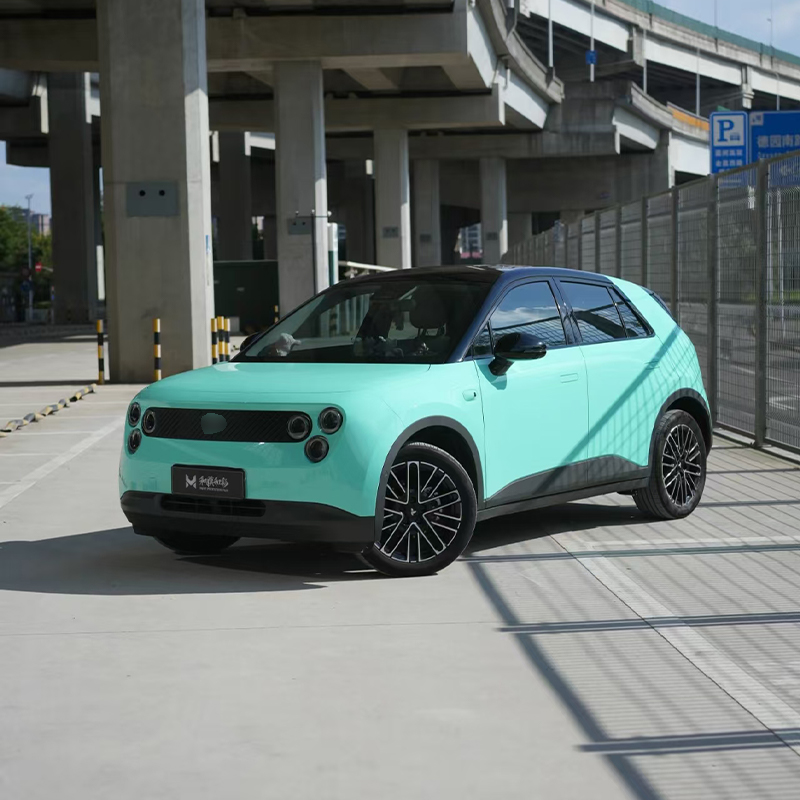
Tiffany Blue is an iconic and luxurious color change PPF that captures the legendary elegance of the world's most coveted robin-egg blue. This signatu...
See Details -
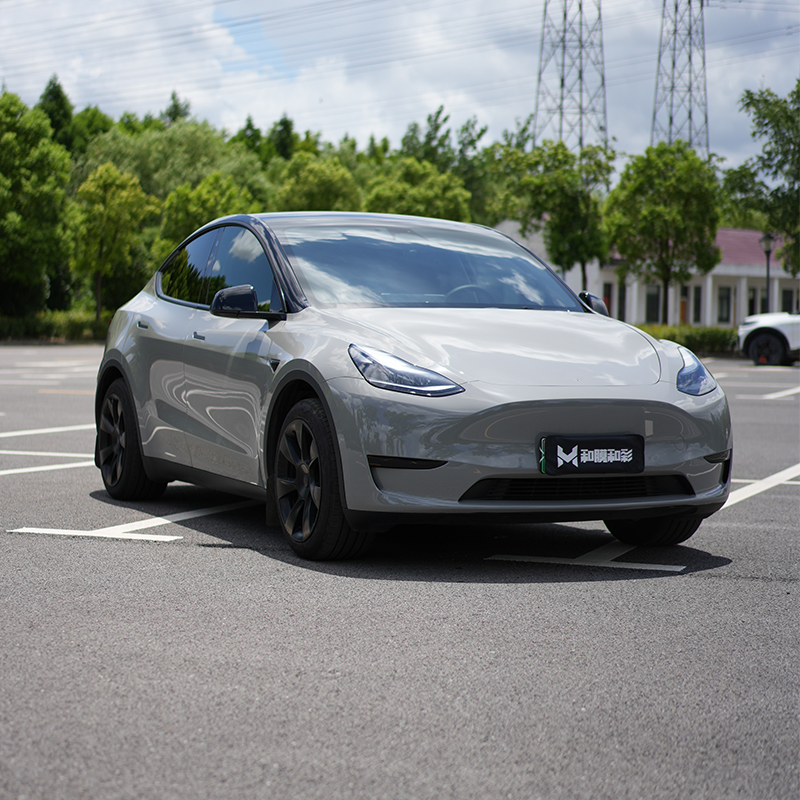
Sub Gray is a commanding and tactical color change PPF that evokes the stealthy silhouette of a submarine cutting through deep ocean waters. This deep...
See Details -
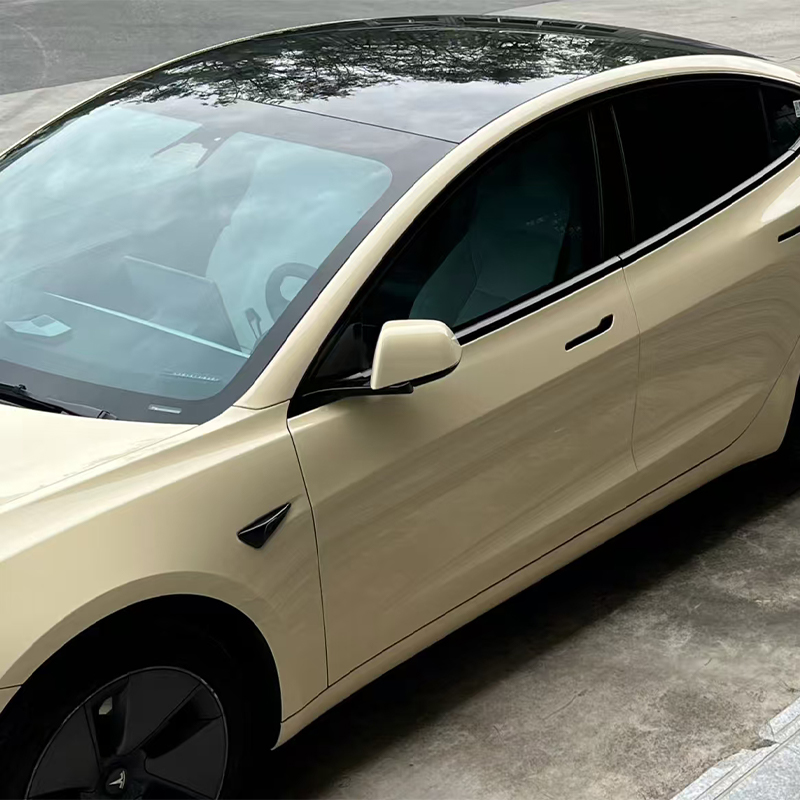
Crystal Khaki Milan is a refined and fashion-forward color change PPF that blends the earthy warmth of khaki with an Italian-inspired elegance. This d...
See Details
GET THE LATEST QUOTATIONS
-
 No. 5, Datang Road, East District, Development Zone, Guangde City, Xuancheng City, Anhui Province,242200, China
-
 [email protected]
-
 +86 18170340295
PRODUCTS
MOBILE WEB
Copyright Anhui He He New Materials Co., Ltd. All Rights Reserved.
 Wholesale TPU PPF Film Automotive TPU PPF Manufacturer