
 English
 русский
 Français
 Español
 Português
 Deutsch
 عربى
عربى
Advanced Solar Control & Safety for Modern Buildings Our architectural films are engineered using state-of-the-art Magnetron Sputtering Technology...
See Details
Home / News / Industry News / Automotive Window Film Buying Guide: Types, Performance Metrics & Selection Tips
Automotive Window Film Buying Guide: Types, Performance Metrics & Selection Tips
Content
Ask ten installers why a customer comes back with a window film that bubbles, fades, or rejects almost no heat, and most will point to the same mistake: the film was chosen on shade alone. Automotive window film is a precision optical and thermal product, not a cosmetic extra. A film that performs well balances visible light transmission, solar rejection, UV blocking, and long-term stability. The conclusion is straightforward: before you compare colors, compare construction and data sheets.
What Automotive Window Film Actually Does
At a practical level, automotive window film has four jobs. It rejects solar heat, blocks UV radiation, reduces glare, and, when it is a safety film, helps hold glass together after impact. None of these functions is determined by how dark the film looks. A light, nearly clear film can reject more heat than a dark dyed film if it is built with the right technology, because the film needs to block infrared radiation rather than simply absorb visible light.
- Heat rejection lowers cabin temperature and reduces air-conditioning load.
- UV protection blocks up to 99% of UV-A and UV-B to protect skin, seats, dashboards, and trim.
- Glare reduction improves comfort during daylight driving and at night.
- Safety and privacy can be added through thicker film that holds shattered glass together.
The Three Performance Metrics That Matter Most
Comparing automotive window film without numbers is guesswork. The three metrics below cover almost every practical concern a buyer can have.
Visible Light Transmission (VLT)
VLT is the percentage of visible light that passes through the window. A lower VLT means a darker look and more privacy, but it can affect nighttime visibility. Many jurisdictions require a minimum VLT for front windshields and front side windows. Check local rules before choosing a shade.
Total Solar Energy Rejected (TSER)
TSER is the percentage of total solar energy blocked by the film across UV, visible, and infrared wavelengths. A higher TSER means a cooler cabin and lower A/C load. When you compare films, use TSER and VLT together. A very dark film with low TSER is often just shading the interior, while a lighter film with high TSER is doing the real work of rejecting heat.
UV Rejection
Quality films block 99% or more of UV-A and UV-B radiation. That level of protection prevents interior fading and reduces long-term skin exposure. If a film cannot document 99% UV rejection, it does not belong on a modern vehicle.
| Film Type | VLT Range | Typical TSER | UV Rejection | Typical Trade-offs |
|---|---|---|---|---|
| Dyed / hybrid | 5-70% | 20-35% | 95-99% | Lower heat rejection, can fade over time |
| Metalized | 5-50% | 30-50% | 99% | Good heat rejection, may interfere with signals |
| Nano ceramic | 5-70% | 40-55% | 99% | High clarity, no signal interference |
| Magnetron sputtering | 5-70% | 50-65% | 99% | Excellent heat rejection, premium price |
Common Types of Automotive Window Film
The construction, not the name on the box, determines how the performance numbers are achieved and whether the film stays stable for years. The table above shows the range, but the differences are worth considering one by one.
Nano-Ceramic Automotive Window Film
Nano-ceramic films use ceramic particles to absorb and dissipate heat without relying on metal layers. They keep high visible clarity, avoid radio and GPS interference, and resist fading from UV exposure. For most daily drivers who want a balanced combination of comfort, clarity, and durability, nano-ceramic automotive window film is a reliable first choice.
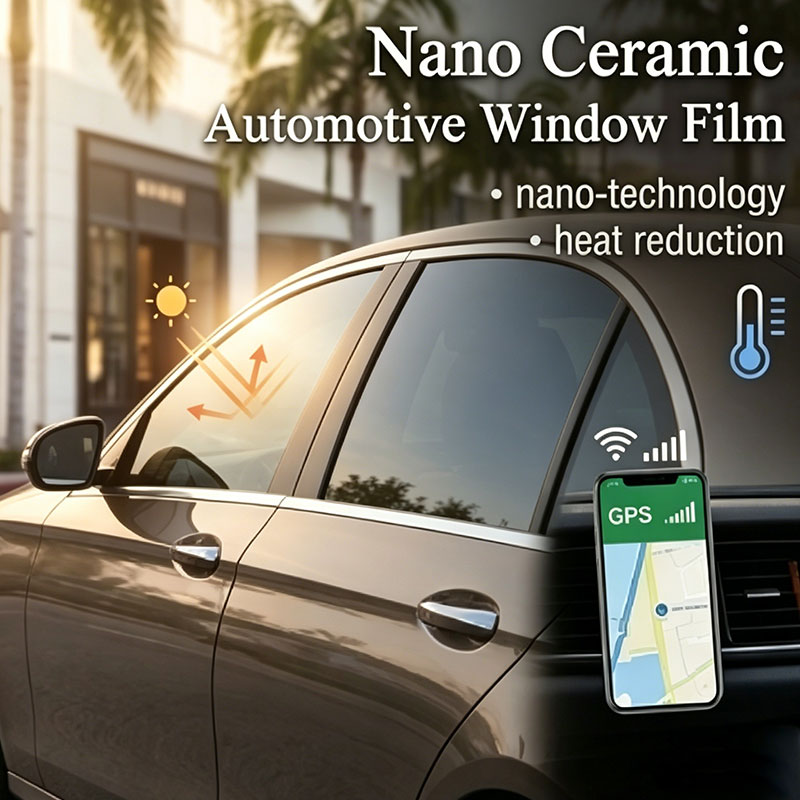 Nano Ceramic Automotive Window Film Manufacturers, FactoryArrayView Product →
Magnetron Sputtering Automotive Window Film
Magnetron sputtering creates ultra-thin metallic layers that reflect solar energy rather than absorbing it. This process delivers some of the highest TSER readings available, which makes it especially useful in hot climates and on large glass areas. If maximum heat rejection is the primary concern, magnetron sputtering automotive window film is worth the higher price.
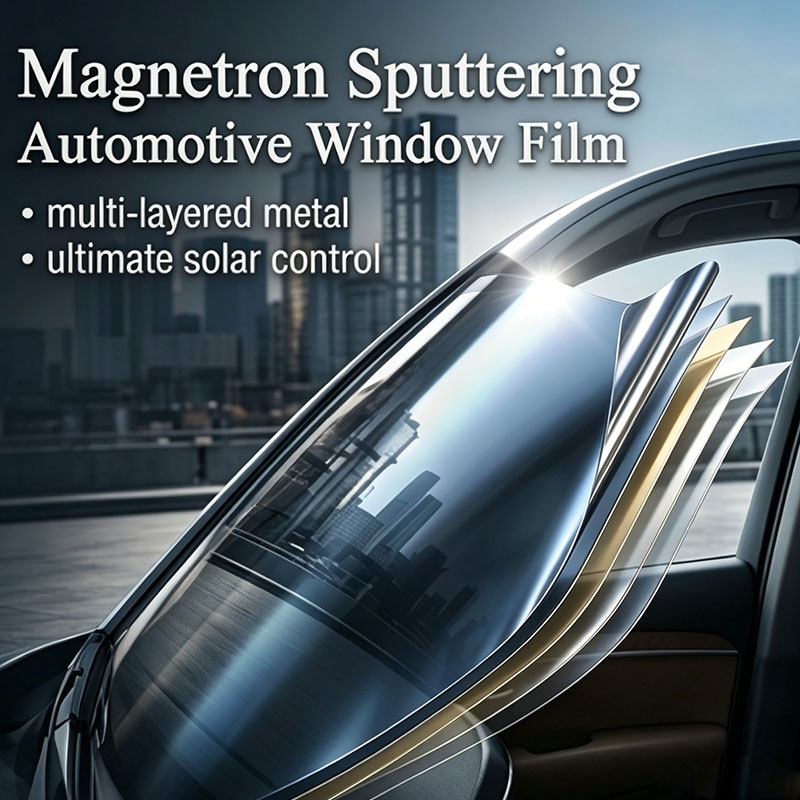 Magnetron Sputtering Automotive Window Film Manufacturers, FactoryArrayView Product →
Clear Safety Automotive Window Film
Clear films are an important part of the lineup because they provide UV protection and shatter resistance without changing the look of the glass. They are useful on windshields and rear windows where dark shades are prohibited. Adding clear safety automotive window film to a vehicle that already has dark side windows is a practical way to improve safety without increasing visibility risk.
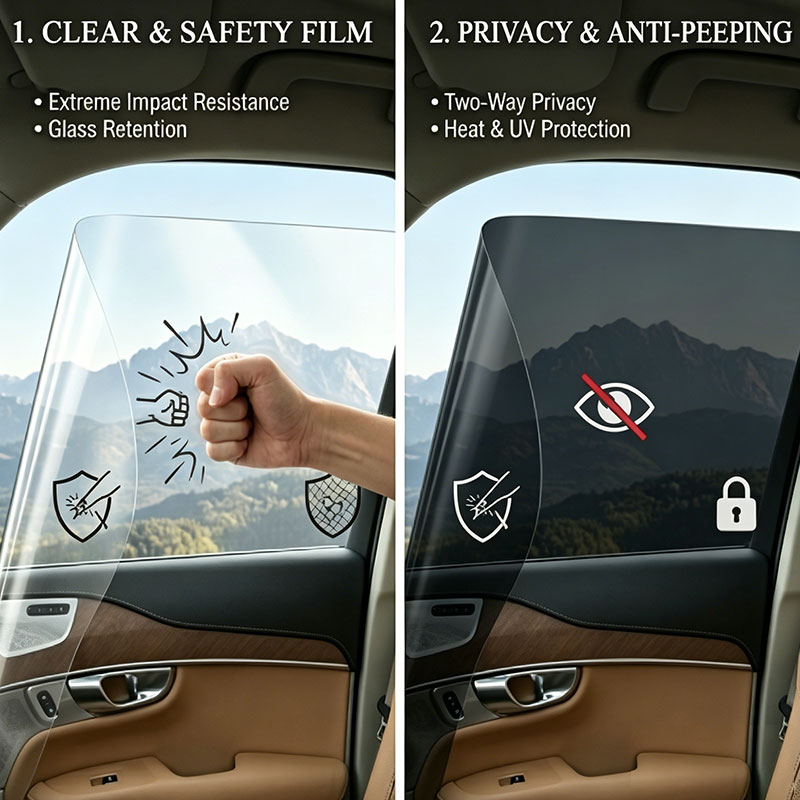 Clear & Safety Automotive Window Film Manufacturers, FactoryArrayView Product →
Iridescent and Decorative Window Film
For drivers who care about appearance, iridescent films create color-shifting effects on the glass. These films are not usually selected for maximum heat rejection, but they add a custom look without sacrificing basic UV protection. They work well as accent pieces on rear windows or sunroofs.
How to Avoid Costly Buying Mistakes
A window film that looks perfect on a sample card can fail after installation if the legal limits, the manufacturing quality, or the installer's skill were ignored.
Check Local Legal Limits Before Choosing a Shade
The most common mistake is buying a dark film without checking the front-window VLT rules. In many regions, front side windows must allow a certain percentage of light through, and violating that rule can lead to fines or failed inspections. Confirm the legal limit for every window position before purchase.
Look for Verified Manufacturing and Quality Data
Because performance data can vary from batch to batch, it matters who made the film and how it was tested. A vertically integrated manufacturer can control adhesion, scratch resistance, hydrolysis resistance, and optical clarity on a real production line. Reviewing documented quality control procedures gives you more confidence than a marketing brochure. If the product sheet shows infrared rejection but no TSER number, ask for the full test data—the absence of a TSER reading is a warning sign.
Work with a Partner Who Understands Installation
Film with perfect specifications can still fail if the environment or the person installing it is below standard. An experienced installer will clean the glass properly, use the right squeegee technique, and wait the recommended time before rolling down windows. If you are a shop or distributor, partnering with a manufacturer that understands installation workflows usually saves more money than hunting for the lowest sample price.
Installation and Maintenance Tips
The installation process matters, and so does the first week of aftercare. A small amount of trapped water evaporating through the film is normal, but lasting bubbles are not. Follow these practical rules to help the film settle and last.
- Leave the windows up for at least three days after installation if the installer recommends it. Letting trapped moisture escape prevents permanent bubbles.
- Avoid rolling the window down for one to two weeks, especially in hot weather. The edges need time to bond with the glass.
- Clean the film only with a soft microfiber cloth and an ammonia-free cleaner. Abrasive pads and paper towels can scratch the surface.
- Check the edges periodically. If the film starts to lift or peel, contact the installer early—a small repair is much cheaper than a replacement.
The Bottom Line
Automotive window film is not a product you should buy by shade alone. Choose a film with clearly documented VLT, TSER, and UV rejection values, match it to the legal limits where the car is driven, and select a manufacturer or installer that can prove its quality. The best films do more than darken a window: they cut heat, protect the cabin and the people inside it, and continue performing for years without fading or bubbling.
Related products
-
-
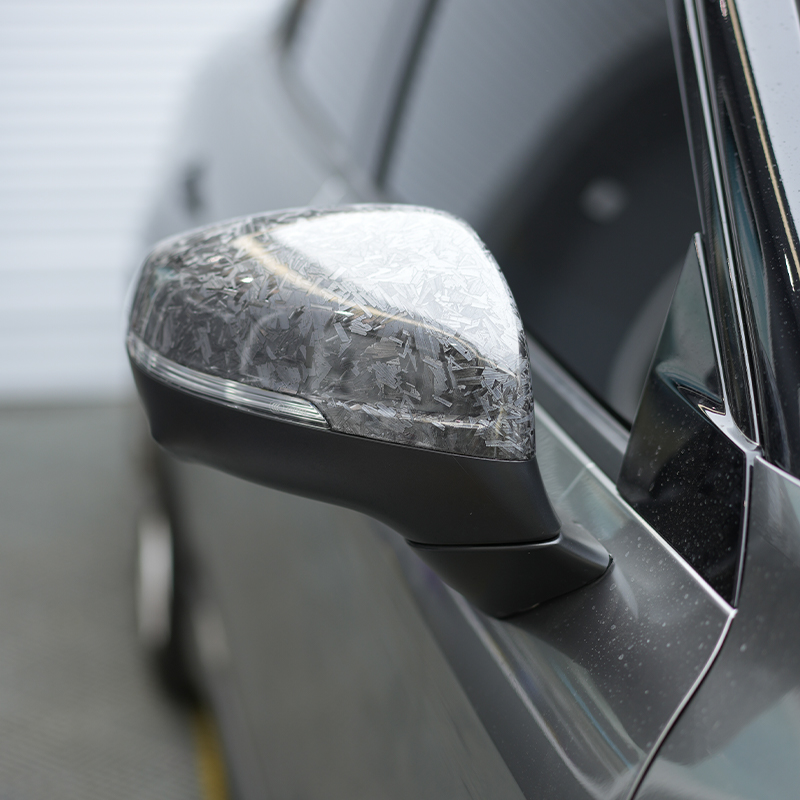
Forged Carbon Black Performance Metallic TPU Film draws inspiration from the raw, industrial beauty of forged carbon fibre and aerospace-grade black m...
See Details -
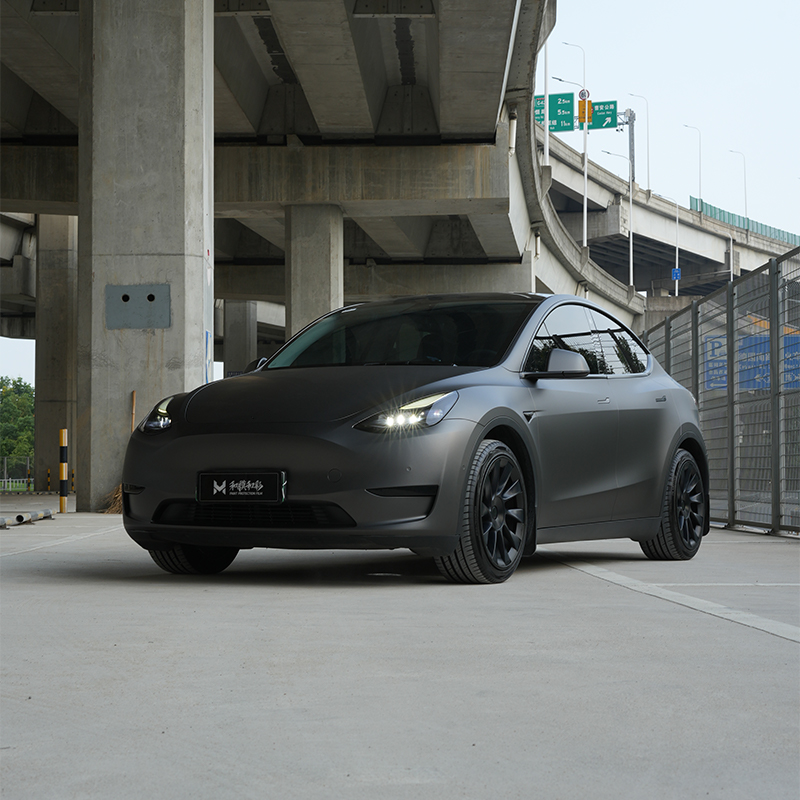
Super Matte AMG Grey Stealth Automotive TPU Film is the definitive choice for owners seeking a zero-compromise ultra-flat matte finish. Designed with ...
See Details -
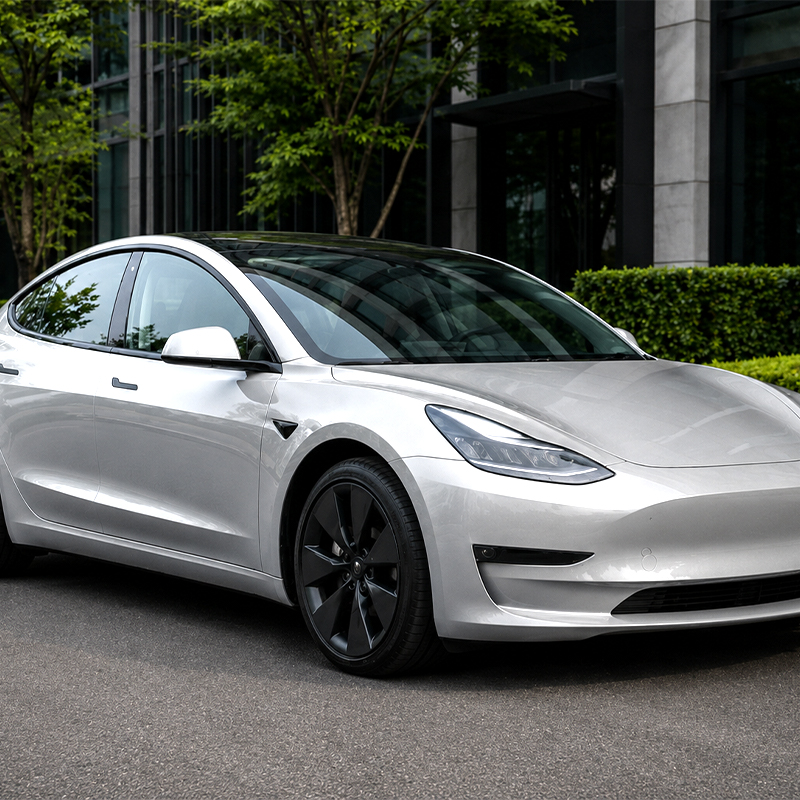
Command respect and admiration with the Metallic Gun Gray TPU Color PPF — an authoritative film that encases your vehicle in a deep, steely gray with ...
See Details
GET THE LATEST QUOTATIONS
-
 No. 5, Datang Road, East District, Development Zone, Guangde City, Xuancheng City, Anhui Province,242200, China
-
 [email protected]
-
 +86 18170340295
PRODUCTS
MOBILE WEB
Copyright Anhui He He New Materials Co., Ltd. All Rights Reserved.
 Wholesale TPU PPF Film Automotive TPU PPF Manufacturer