
 English
 русский
 Français
 Español
 Português
 Deutsch
 عربى
عربى
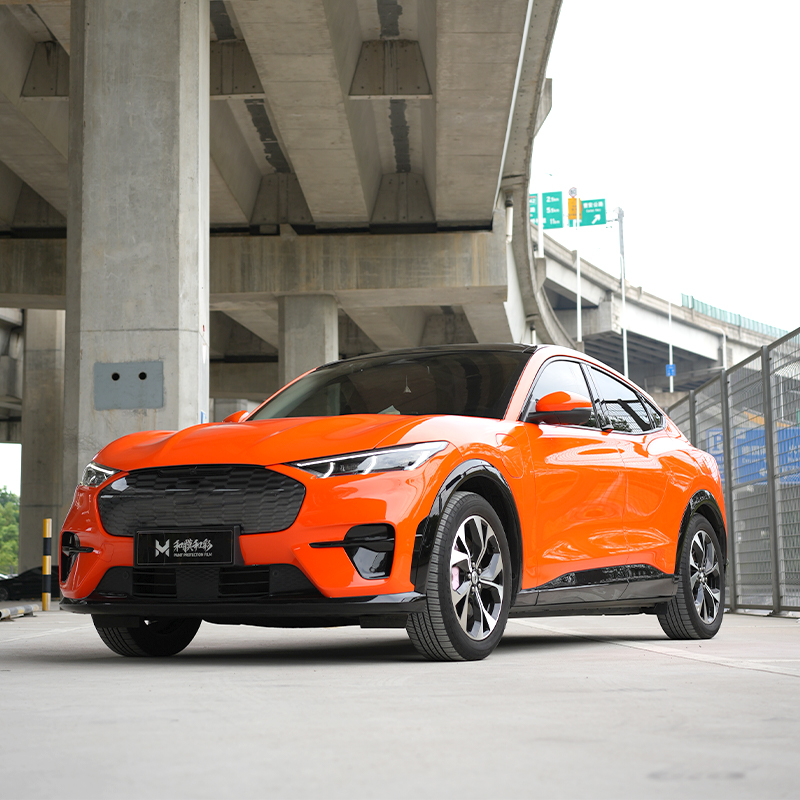
Command respect and admiration with the Metallic Gun Gray TPU Color PPF — an authoritative film that encases your vehicle in a deep, steely gray with ...
See Details
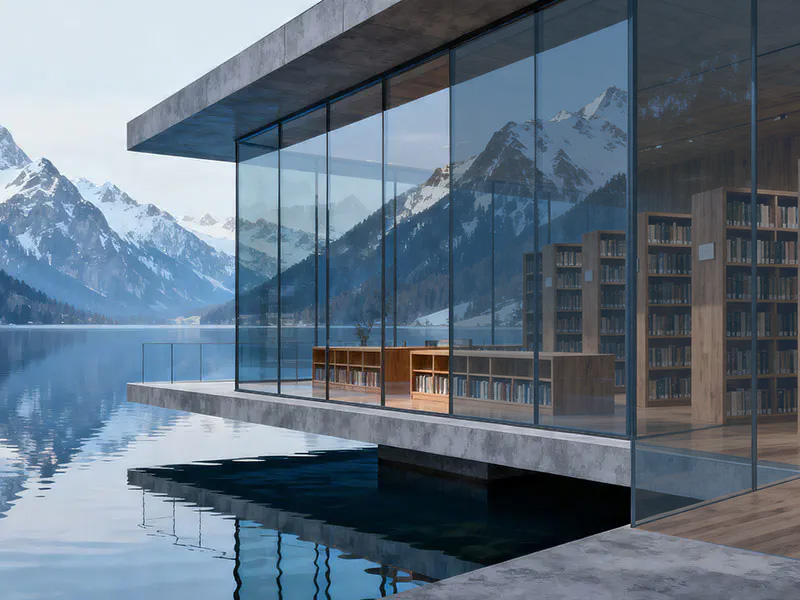
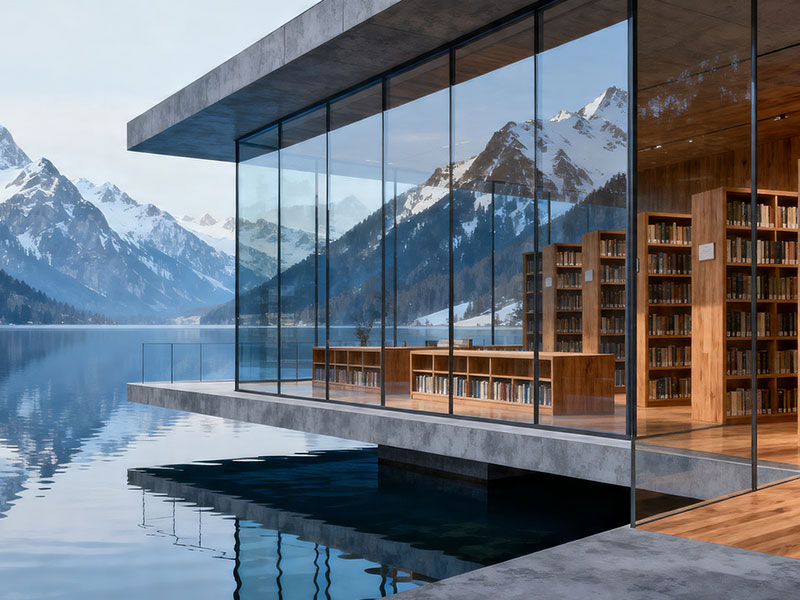
Architectural Window Film
Advanced Solar Control & Safety for Modern Buildings
Our architectural films are engineered using state-of-the-art Magnetron Sputtering Technology to provide superior thermal insulation and safety without compromising the aesthetic of your windows. Whether for residential or commercial use, these films offer a sustainable solution for energy efficiency and privacy.
Magnetron Sputtering Technology: Utilizes high-end multi-layer metal sputtering to achieve elite heat rejection while maintaining high optical clarity.
Superior Thermal Insulation: Blocks a significant percentage of solar infrared heat, dramatically reducing indoor temperatures and lowering HVAC energy costs.
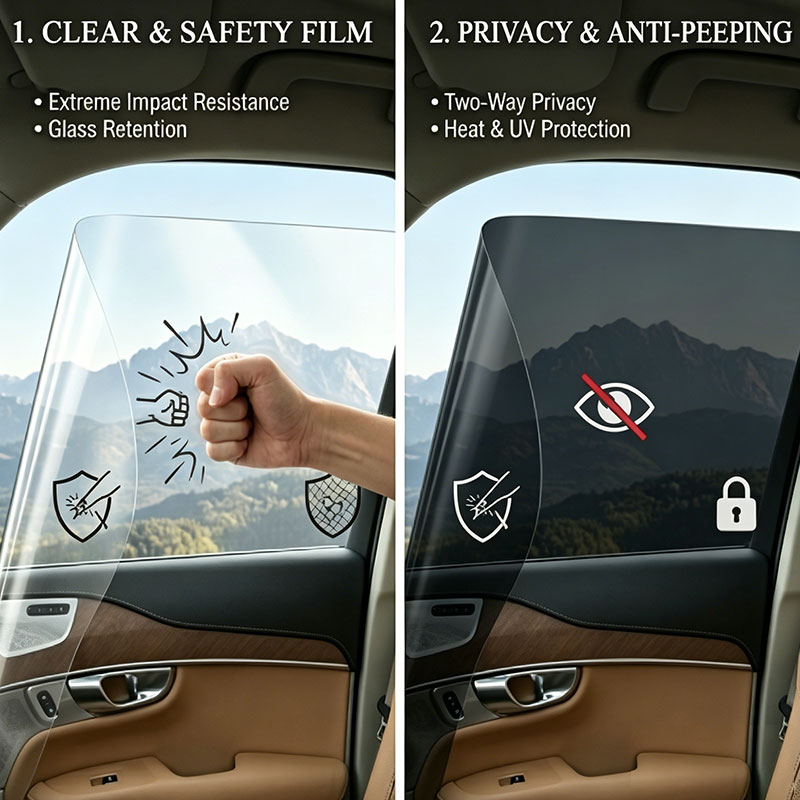
Total UV Protection: Filters out 99% of harmful UV rays, preventing the fading of expensive interior furniture, flooring, and artwork while protecting occupants' skin.
Enhanced Safety & Explosion-Proofing: Available in 2-mil and 4-mil thickness options. These high-tensile layers reinforce the glass, preventing dangerous shards from scattering in the event of an impact or accidental breakage.
Privacy & Glare Reduction: Provides a sophisticated "one-way" privacy effect during the day and reduces annoying screen glare, creating a more comfortable living and working environment.
Related products
-
-
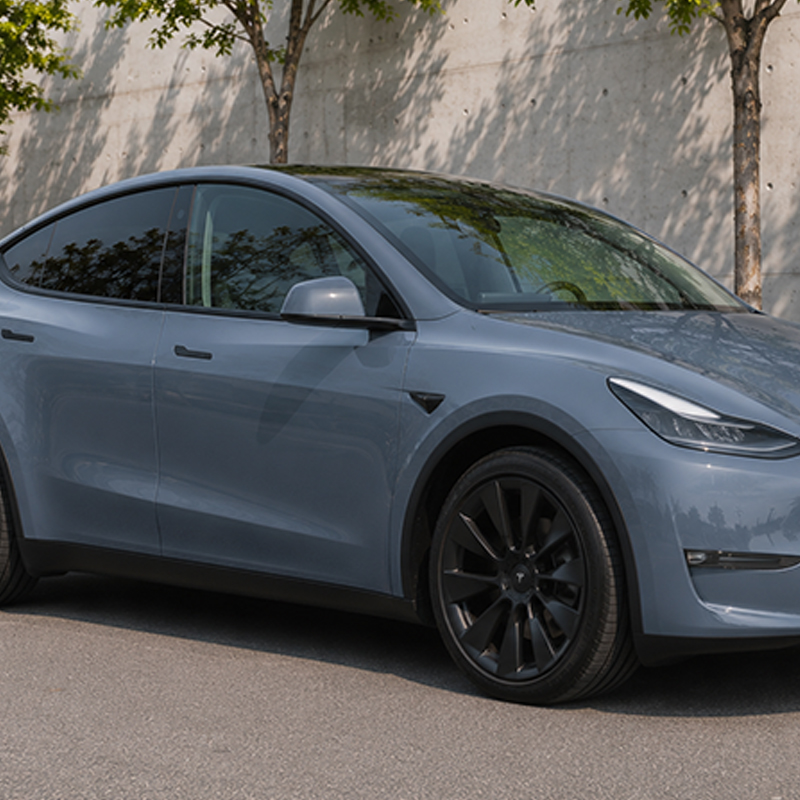
Kemora Grey Satin Crystal TPU Car Film offers a distinguished, European-inspired gray tone with a refined satin crystal finish that sits elegantly bet...
See Details -
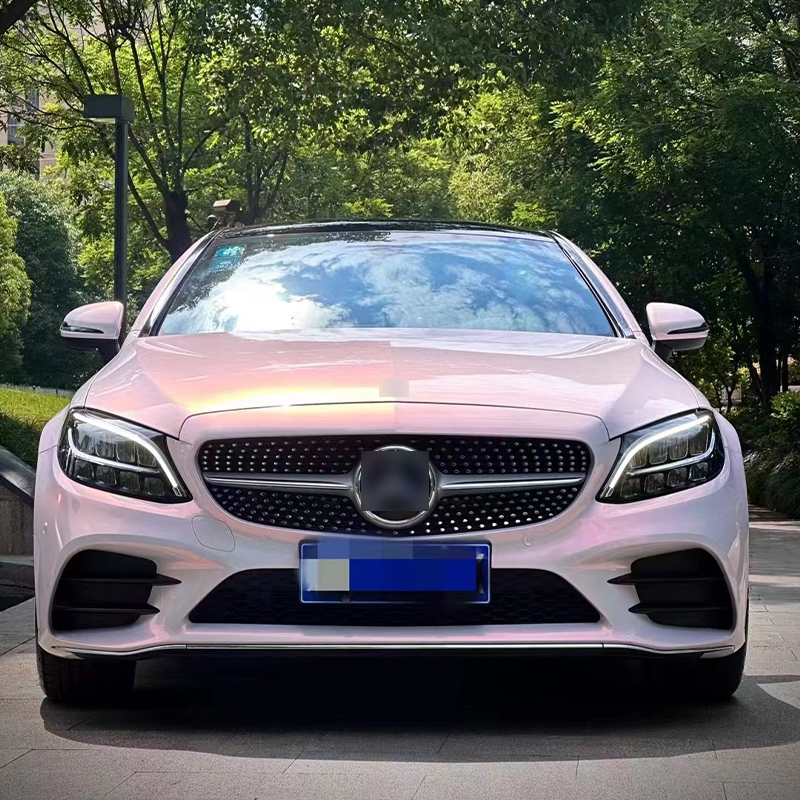
Dreamy Volcanic Ash is a dual-color chameleon TPU paint protection film offering a poetic, otherworldly color palette inspired by the soft grey-purple...
See Details -
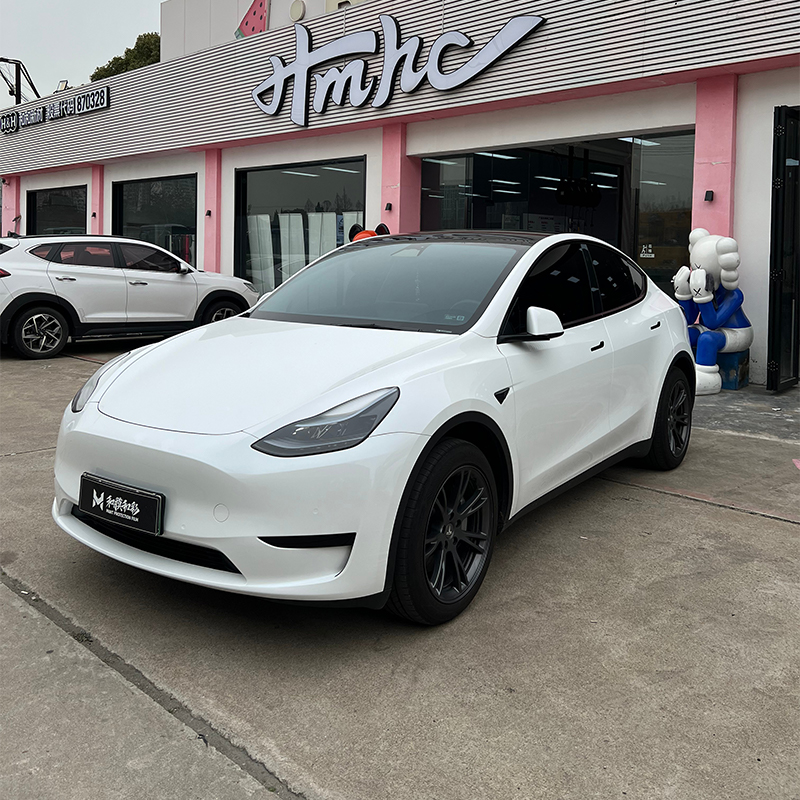
Iridescent Blue Diamond White is a dual-color chameleon TPU paint protection film that combines the sparkling, multi-faceted brilliance of blue diamon...
See Details -
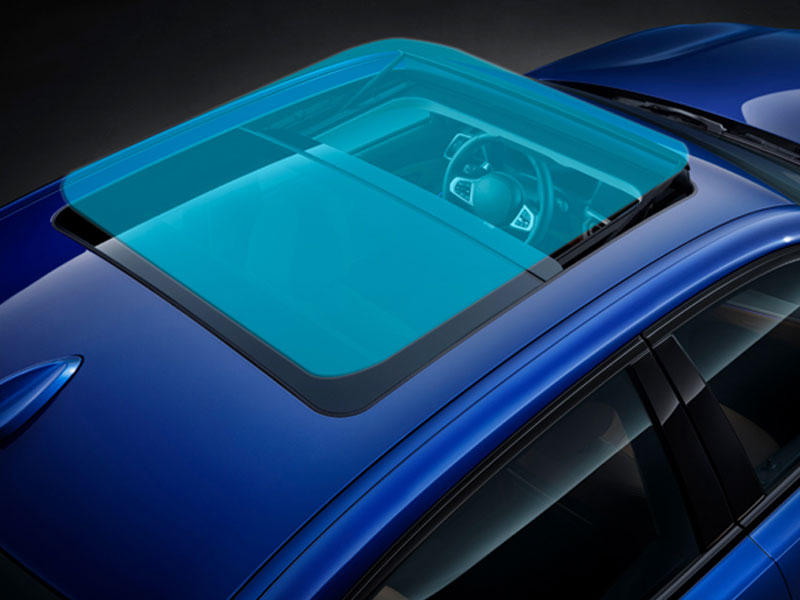
Our Sky Glacier Blue TPU Sunroof Film is a high-performance protection layer specifically engineered for automotive sunroofs and panoramic roofs. It c...
See Details -
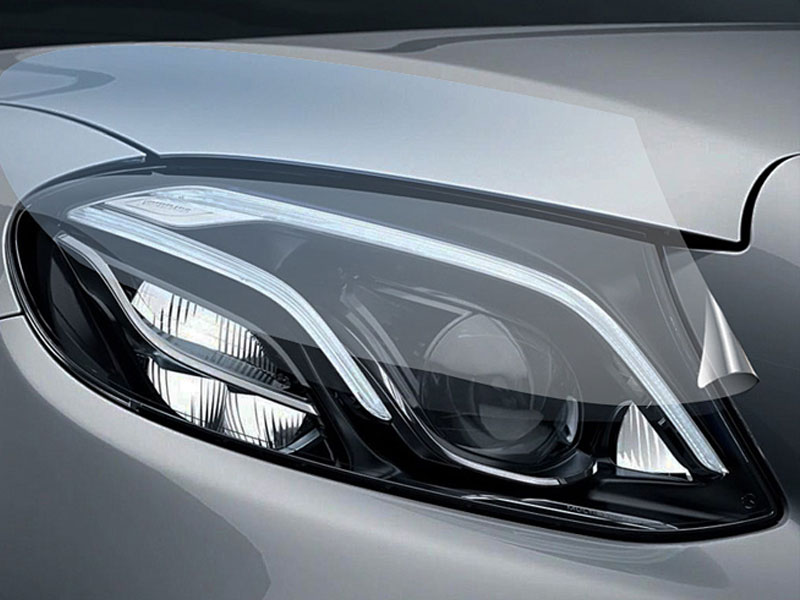
Aggressive Style. Invisible Protection. Uncompromised Safety. Our TPU Headlight Film is the ultimate solution for enthusiasts looking to enhance their...
See Details
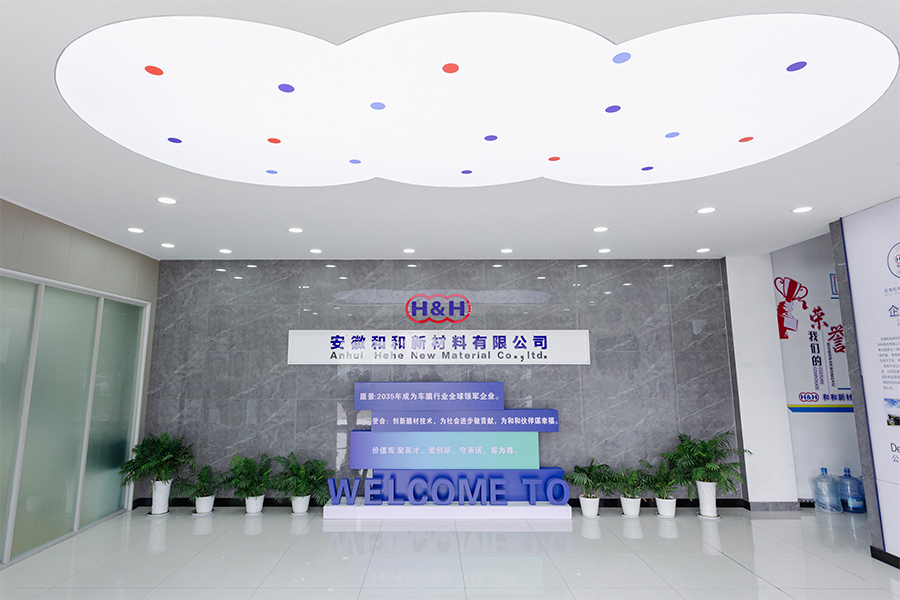
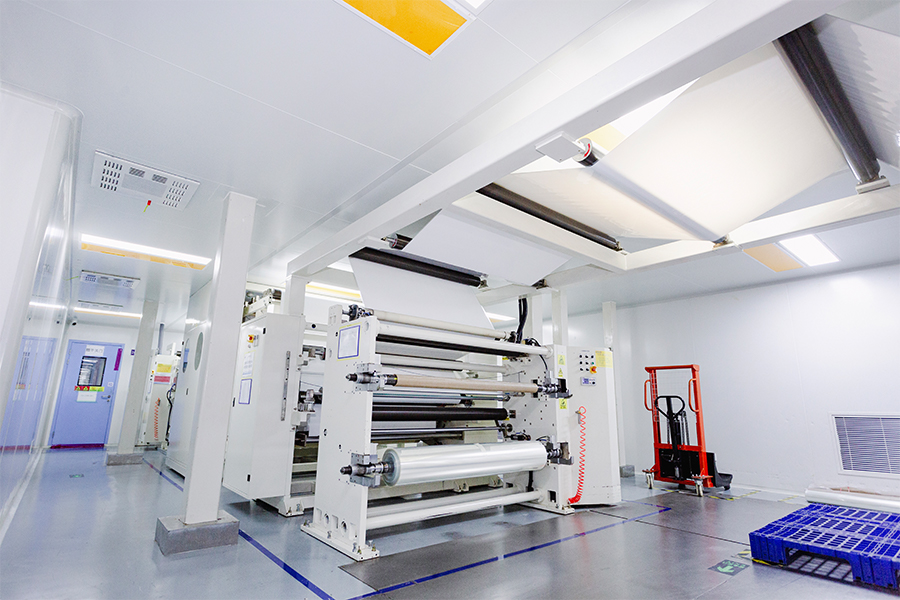
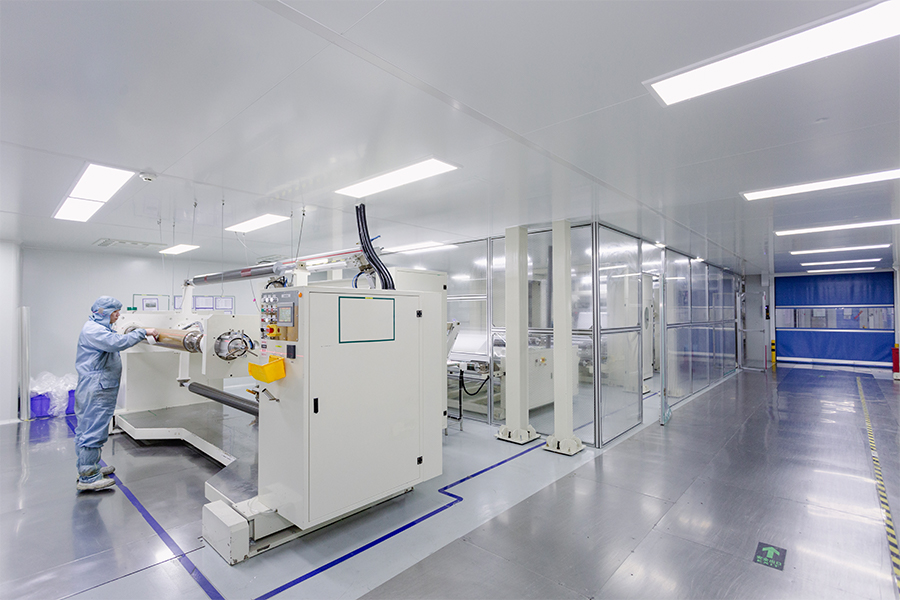
Vertically Integrated Automotive Film Solutions Partner
Anhui He He New Materials Co., Ltd. established in 2019, we are committed to developing a globally leading R&D and manufacturing platform for automotive films, providing cutting-edge film solutions for the automotive beauty, new energy battery, and 3C electronics industries. As Architectural Window Film Manufacturers, HEHE are a direct manufacturer, a true full-industry-chain production factory. We have a complete in-house system covering specialty adhesive R&D, functional coating formulation, and precision coating production. Leveraging our full-industry-chain advantages, we offer not only contract manufacturing but also in-depth customization. Wholesale Architectural Glass Film. We can tailor film thickness and coating performance to your brand requirements, helping you build differentiated brand competitiveness.
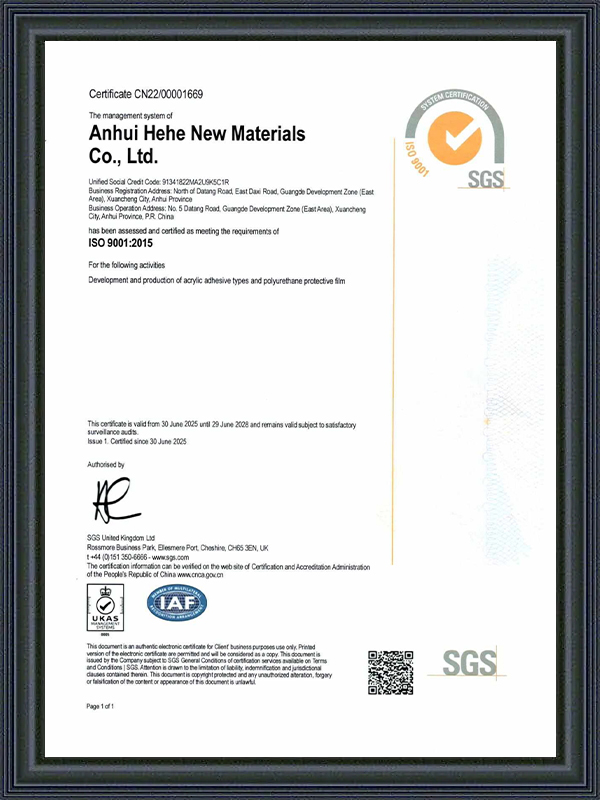
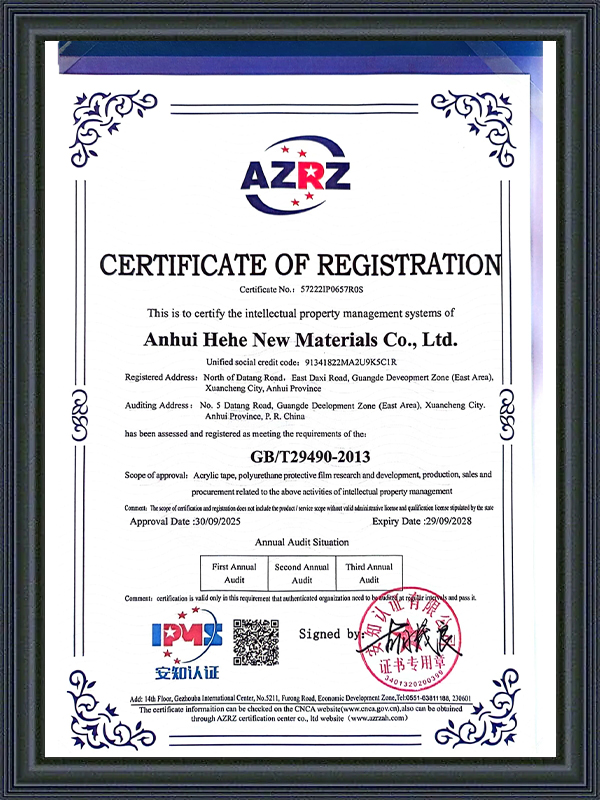
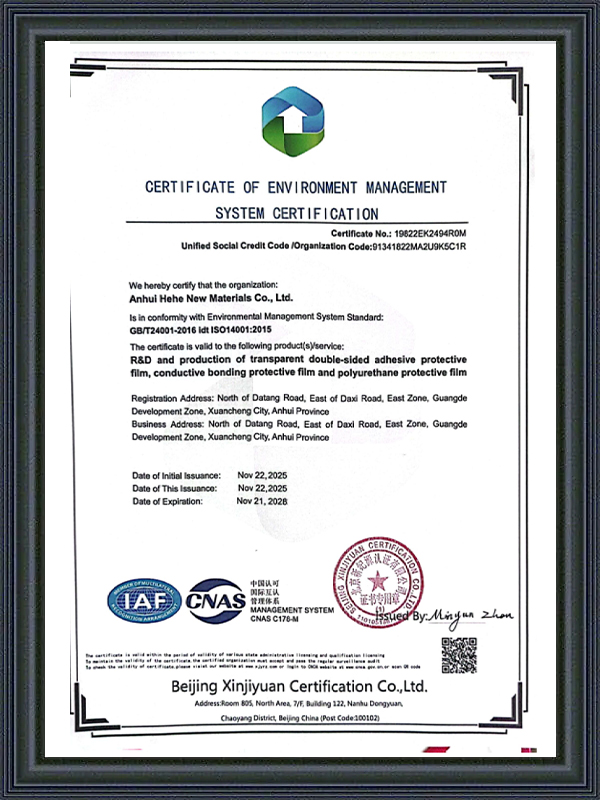
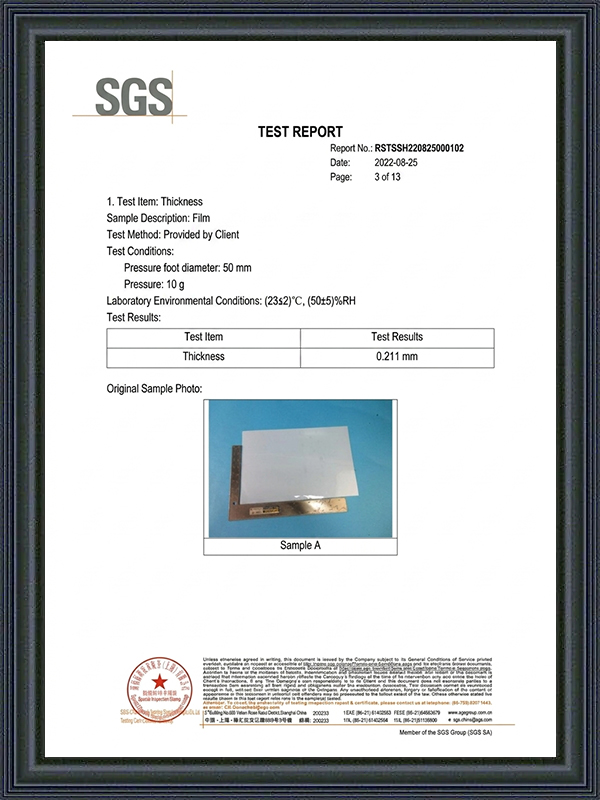
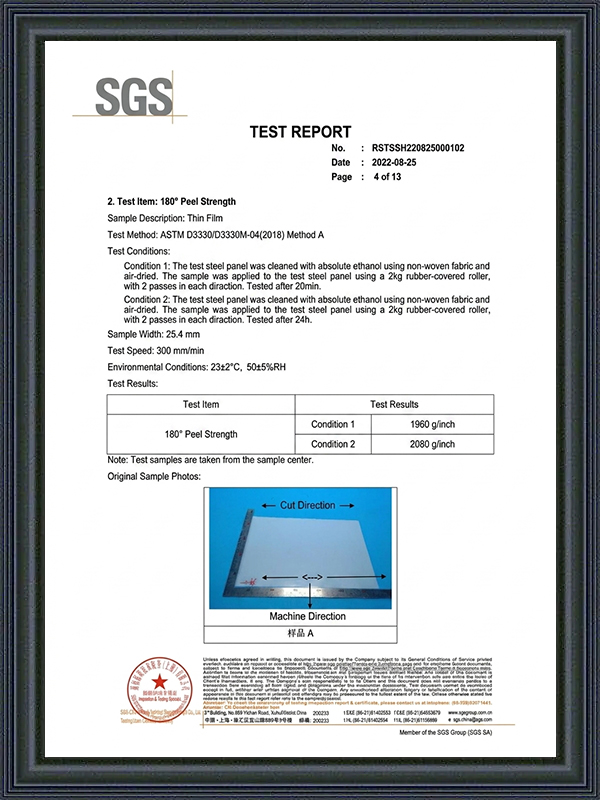
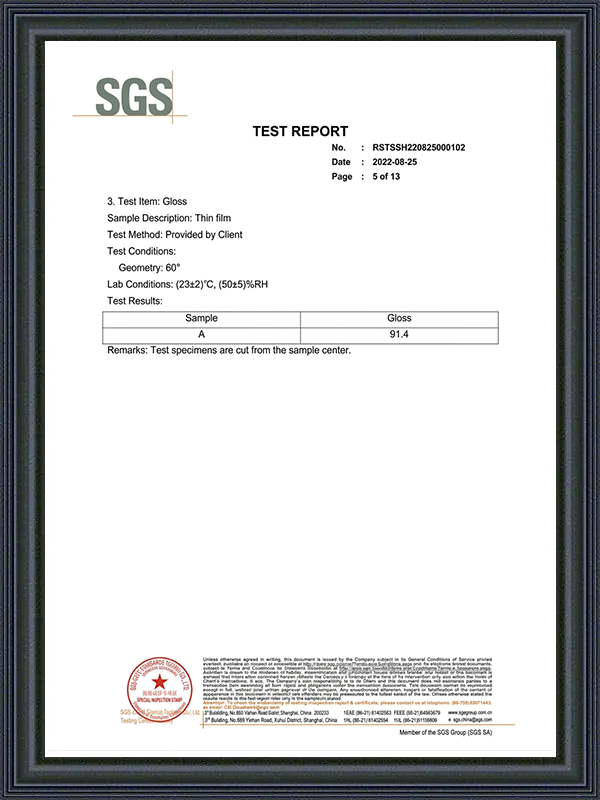
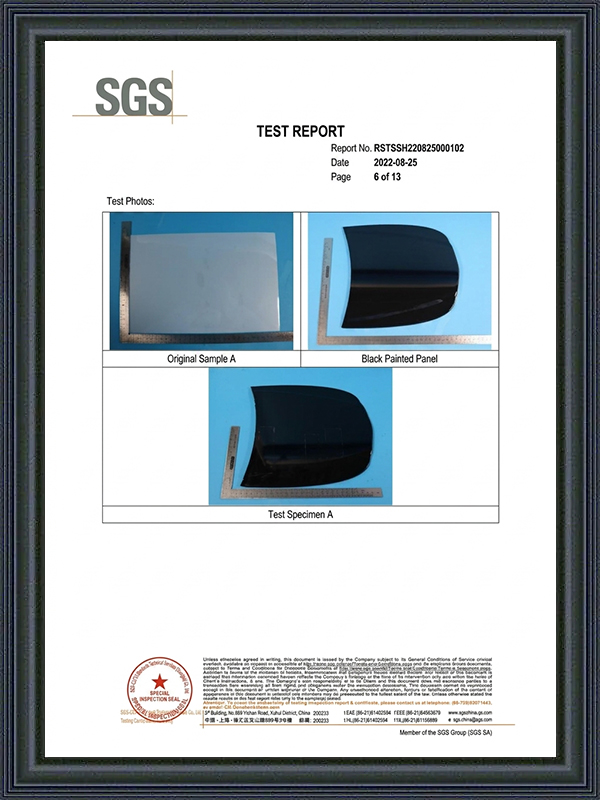
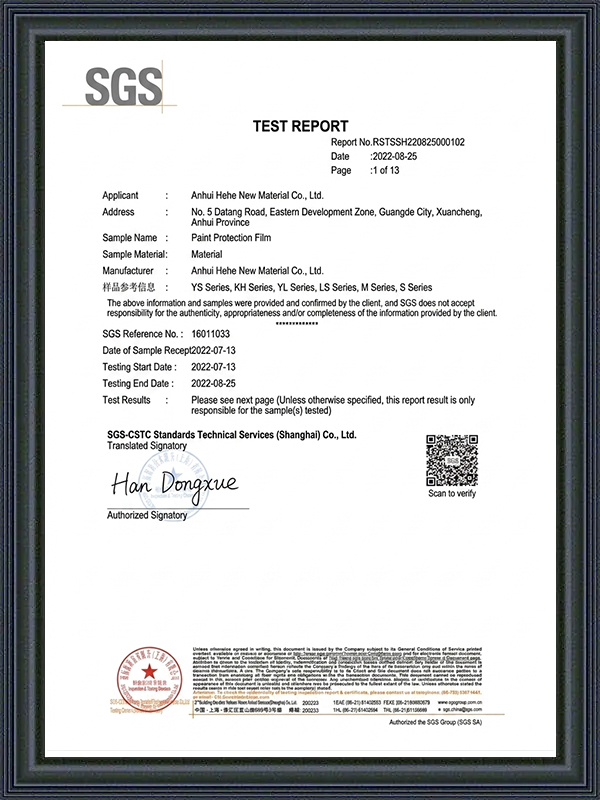
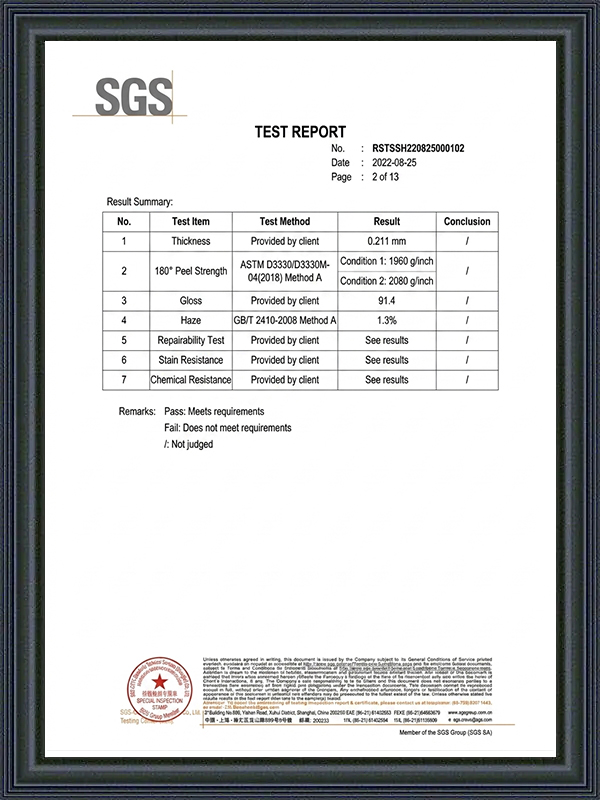
Quality Assurance
LEARN MORE
NEWS &
EXHIBITIONS
Industry Knowledge
The Hidden Physics of Solar Selectivity in Architectural Glass Film
A common misunderstanding is that darker Architectural Window Film blocks more heat. The reality is more nuanced and depends entirely on a metric called the selectivity ratio—visible light transmittance divided by the solar heat gain coefficient. A film with 50% visible light and a SHGC of 0.30 achieves a ratio of 1.67, meaning it transmits substantially more light than heat. Achieving this requires nanoscale ceramic coatings that reflect infrared wavelengths selectively while remaining transparent in the visible spectrum. At Anhui He He New Materials Co., Ltd., we have transferred our precision coating expertise from the automotive and 3C electronics sectors directly into Architectural Glass Film. The same sputtering know-how that deposits indium tin oxide on a touchscreen produces a spectrally selective layer on window film—rejecting over 95% of infrared radiation above 900 nanometers while maintaining a neutral transmitted color that does not blue-shift over time.
Magnetron Sputtering vs. Wet Coating for Long-Term Stability
Wet-coated dyed films fade because organic dyes photodegrade. A sputtered ceramic stack contains no organic chromophores—its optical properties arise from alternating layers of metal oxides with controlled refractive indices. Our complete in-house system covering functional coating formulation allows us to build stacks of nine or more layers, each tuned to a specific portion of the solar spectrum. This is the same multilayer optical design used in antireflective coatings on camera lenses, applied to building-scale glazing.
Glass Stress Management: Why One-Way Installation Guidance Is Not Optional
Applying Architectural Window Film to annealed glass without understanding thermal stress can cause catastrophic fracture. Clear float glass absorbs solar energy unevenly when partially filmed or when a high-absorption film is applied to a pane with edge shading. The temperature differential between the filmed center and the shaded edge creates tensile stress at the edge where microscopic flaws already exist. The break threshold for annealed glass is approximately 40 MPa of tensile stress, and a 15°C differential across the pane can exceed this. This is not a film defect—it is a glazing compatibility issue. Our technical team at Anhui He He New Materials Co., Ltd., established in 2019, provides a thermal stress analysis chart for every Architectural Glass Film product, plotting absorption against glass type, edge condition, and frame shadow factor. This kind of application engineering comes directly from our foundation as a globally leading R&D and manufacturing platform, where automotive film installations never leave the factory without a specification sheet matched to the glass substrate.
Adhesion to Low-E Glass: A Chemistry Challenge You Do Not See Until Year Three
Modern low-emissivity glass carries a pyrolytic or sputtered coating on the interior surface. This coating presents a surface energy typically 10 to 15 dynes per centimeter lower than bare soda-lime glass. A pressure-sensitive adhesive formulated for raw glass will wet out incompletely on low-E, producing an edge-lifting cascade that starts at the corners and propagates inward. Anhui He He New Materials Co., Ltd. draws on our specialty adhesive R&D capability to formulate adhesives that achieve full bond-line saturation on hard-coat pyrolytic low-E, soft-coat sputtered low-E, and even self-cleaning titanium dioxide coated glass. Our adhesive polymer architecture incorporates controlled levels of low-molecular-weight tackifying resin that migrates to the interface during the dwell period after installation—an intentional, designed migration that creates a permanent diffusion bond rather than a surface-tension-only attachment. When we offer in-depth customization for your brand, we tailor this adhesive formulation to the specific glass substrate prevalent in your target region.
| Clear Float Glass | ~47 dynes/cm | Standard acrylic adhesive bonds without primer |
| Hard-Coat Pyrolytic Low-E | ~38 dynes/cm | Tackified formulation with elevated polar monomer content |
| Soft-Coat Sputtered Low-E | ~32 dynes/cm | Specialty low-surface-energy adhesive with migration chemistry |
| TiO2 Self-Cleaning | ~35 dynes/cm | Photo-stable adhesive with UV-curable crosslinking |
UV Transmission and the Fading Equation No One Explains
Architectural Window Film is often sold as a solution for fading, but UV is only 40% of the fading equation. Visible light contributes 25%, and heat contributes the remaining 35% by accelerating photochemical reaction rates. A film that blocks 99% of UV but transmits 70% of visible light and retains a modest SHGC still allows fading, just at a slower rate. The only comprehensive defense is a spectrally selective Architectural Glass Film that cuts UV below 1% transmission, reduces visible light to a controlled percentage, and reflects the infrared that raises surface temperatures. Anhui He He New Materials Co., Ltd. certifies our films using the ISO 105-B06 standard for xenon-arc exposure, measuring the blue wool scale over 200 hours of accelerated testing. This data is generated in-house as part of our full-industry-chain production factory quality system, not outsourced to a third-party lab once for a brochure value. Our automotive film heritage demands we understand UV degradation at a polymer physics level—a polyurethane interlayer in automotive glass fails catastrophically under UV, and the same preventative chemistry appears in our architectural products.
Edge Seal Integrity and the Real Cause of Delamination at the Perimeter
Architectural Glass Film failure almost always begins at the edges. The mechanism is moisture ingress through the exposed cut edge of the film, where the adhesive layer is open to the atmosphere. Over hundreds of humidity cycles, water molecules travel along the adhesive-glass interface via capillary action, disrupting the van der Waals bonds. The delamination front advances inward at a rate determined by the adhesive's water vapor transmission rate and the edge seal quality. Anhui He He New Materials Co., Ltd. addresses this with a dual approach. First, our precision coating production ensures a clean, square cut edge during slitting—a ragged edge creates micro-channels that accelerate moisture wicking tenfold. Second, we offer a custom edge sealant system for high-humidity applications like natatoriums and commercial kitchens, where the film edge receives a thin, clear hydrophobic barrier layer during installation. This is one of the capabilities we provide through our in-depth customization service: we can tailor film thickness and coating performance to the specific environmental conditions your brand targets.
The Double-Edged Sword of High Visible Light Transmission Films
Building codes in historic districts and aesthetic preferences in retail storefronts often demand Architectural Window Film with visible light transmission above 70%. This creates an optical engineering problem: to reject meaningful solar energy at high VLT, the film must be aggressively selective in the near-infrared, which forces the coating stack to use high-index materials that inherently produce reflection. A single-layer silver-based low-E coating at 70% VLT can produce interior reflectivity above 15%, creating a mirror effect at night under artificial lighting. Our functional coating formulation team solves this with asymmetric optical stacks—the sputtered layers are designed so the interior-facing side incorporates a final antireflective layer that drops interior reflectance below 8% while the exterior side remains optimized for solar rejection. This matters in commercial spaces where nighttime visibility through the glazing is a security requirement. As Transparent Furniture Protective Film Manufacturers, we already manage the refractive index matching between adhesives and substrates; that expertise translates directly into the multilayer optics of architectural films.
Post-Breakage Safety: The Milliseconds That Matter
Safety glazing regulations in many jurisdictions require that fractured glass remain adhered to a film rather than falling as shards. The test is ANSI Z97.1 in the United States and EN 12600 in Europe, both of which involve impacting a filmed pane with a 45-kilogram impactor. The film passes if it holds the shattered glass together without a hole large enough to pass a 76-millimeter sphere. What is rarely discussed is that the film's elongation at break—not its tensile strength—is the dominant variable. A film with high tensile strength but low elongation tears at the impact point. One with high elongation stretches to absorb the impact energy without perforating. Anhui He He New Materials Co., Ltd. formulates our safety-grade Architectural Glass Film with a polymer backbone designed for high elongation, achieved through controlled crosslink density in the polyester core layer. The same full-industry-chain manufacturing platform that produces Custom Protective Film For Marble Table also delivers this architectural safety film, because the underlying coating and film-forming expertise spans all our product categories.
- Safety film elongation at break should exceed 100% to absorb impact without perforation.
- The adhesive layer must not shear-cleave during impact—it must maintain bond to the glass shards throughout the deformation event.
- Perimeters must be anchored with a mechanical attachment system; film-only edge bite is insufficient to meet code for overhead glazing.
Partnering with Anhui He He New Materials Co., Ltd. for Architectural Film Solutions
We are committed to developing a globally leading R&D and manufacturing platform for automotive films, providing cutting-edge film solutions for the automotive beauty, new energy battery, and 3C electronics industries. This commitment to precision and durability translates directly into our Architectural Window Film and Architectural Glass Film offerings. A factory that controls specialty adhesive R&D, functional coating formulation, and precision coating production under one roof can react to a custom requirement—whether that means tuning the reflected color to match a brand palette or adjusting peel adhesion for a specific climate zone—without the delays of a multi-vendor supply chain. Leveraging our full-industry-chain advantages, we offer not only contract manufacturing but also in-depth customization. We can tailor film thickness and coating performance to your brand requirements, helping you build differentiated brand competitiveness in the architectural market.
GET THE LATEST QUOTATIONS
-
 No. 5, Datang Road, East District, Development Zone, Guangde City, Xuancheng City, Anhui Province,242200, China
-
 [email protected]
-
 +86 18170340295
PRODUCTS
MOBILE WEB
Copyright Anhui He He New Materials Co., Ltd. All Rights Reserved.
