
 English
 русский
 Français
 Español
 Português
 Deutsch
 عربى
عربى
Advanced Solar Control & Safety for Modern Buildings Our architectural films are engineered using state-of-the-art Magnetron Sputtering Technology...
See Details
Home / News / Industry News / Solar Control Window Film: How It Works, Key Performance Specs, and Buying Advice
Solar Control Window Film: How It Works, Key Performance Specs, and Buying Advice
Content
Every afternoon, the same physics repeats itself: sunlight passes through glass, converts to heat, and stays there. In a parked car, cabin temperatures can climb roughly 20 degrees Celsius above the outside air within an hour; in a building, west-facing glazing can drive a disproportionate share of the cooling bill. Solar control window film is one of the most direct responses to this problem, and the short answer for most buyers is that it works, provided you match the construction to your glass and verify specifications rather than marketing claims. A quality ceramic or sputtered film commonly rejects between roughly 40% and 80% of total solar energy and blocks up to 99% of ultraviolet light, without the mirror-like reflectivity or heavy darkness associated with older tint products. This guide explains how these films are built, which numbers on a data sheet actually matter, how the main technologies differ, and what to confirm before committing to a purchase.
What Solar Control Window Film Actually Does
Solar control window film is a multi-layer polyester laminate, generally between 1.5 and 4 mils thick, bonded to the glass with a pressure-sensitive adhesive and finished with a scratch-resistant hard coat. Inside that sandwich, manufacturers layer dyes, metals, or ceramic nanoparticles in combinations that determine how the film handles three forms of incoming energy: ultraviolet light, visible light, and near-infrared radiation, the last of which carries more than half of the sun's heat.
All films operate through some blend of three mechanisms. They reflect solar energy back toward its source, absorb it into the film and glass, or selectively transmit visible light while rejecting invisible infrared. Every product sits at a different point on that triangle, which is why two films with identical darkness can behave very differently in a heat test. Rather than judging by tint, compare candidates on the six specifications below.
| Specification | What It Measures | Why It Matters |
|---|---|---|
| TSER | Percentage of total solar energy (UV, visible, and infrared) rejected | The most complete single measure of heat control; compare products on this figure, not infrared rejection alone |
| VLT | Percentage of visible light transmitted | Sets interior brightness and view, and acts as a legal constraint on vehicle windows |
| UV rejection | Percentage of ultraviolet radiation blocked | Quality films block about 99%, slowing fading of upholstery, trim, and merchandise |
| IRR | Infrared radiation rejected, often at specific wavelengths | Useful context but easily overstated; narrow-band readings can look impressive while overall TSER stays modest |
| SHGC | Fraction of solar heat admitted through the glazed system | The architectural metric used in energy modeling; lower values mean cooler interiors |
| Haze | Percentage of transmitted light scattered | Lower haze means clearer optics; inexpensive films often grow noticeably hazy over time |
A practical starting rule: total solar energy rejection and visible light transmission together tell you most of what you need. The rest of the sheet explains how the film achieves those numbers and how stable they will remain.
The Four Main Film Technologies, Compared
Dyed films
Dyed films are the entry level. A dye layer absorbs solar energy, delivering moderate performance, typically 30% to 50% TSER at common VLT levels, with a soft, non-reflective appearance. The trade-offs are durability and physics: absorbed heat re-radiates into the cabin or room, and lower-grade dyes can drift toward purple after years of UV exposure. They remain a reasonable budget choice where cost outweighs peak performance.
Metalized and sputtered films
Metalized films reflect infrared rather than absorbing it, which raises heat rejection and reduces the energy soaking into the glass itself. Traditional deposition coatings can look slightly shiny; magnetron sputtering, a vacuum process that bonds micron-thin alloy layers to the film one at a time, produces a more neutral appearance with tighter control over which wavelengths are reflected. One caution applies to vehicles: heavily metalized constructions can attenuate radio, GPS, and mobile signals, which matters on cars with embedded antenna systems.
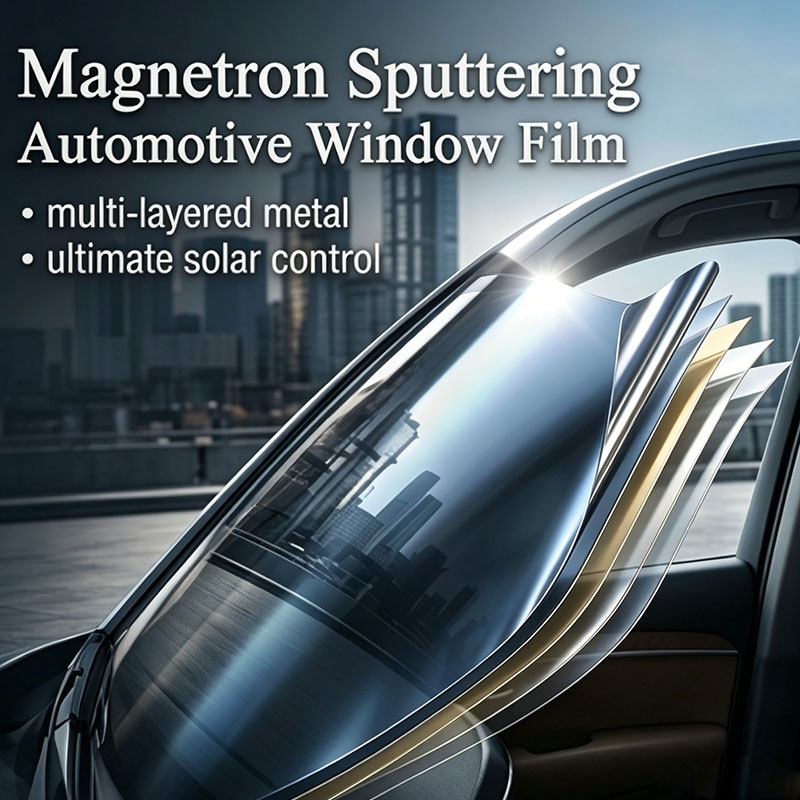 Magnetron Sputtering Automotive Window Film with Dual Silver LayersA flagship metalized film using precision magnetron sputtering to deposit multi-layer precious metals, including dual silver, for top-tier heat rejection with low interior reflectivity. It illustrates the sputtered, neutral-look metalized construction discussed before this point.View Product →
Ceramic films
Ceramic films suspend non-conductive nano-ceramic particles within the laminate. This construction has become the mainstream premium choice: high infrared rejection at high visible transmission, no signal interference, and strong color stability. Because the particles target near-infrared wavelengths rather than visible light, a 70% VLT ceramic film can still reject a majority of total solar energy, which dyed constructions cannot approach.
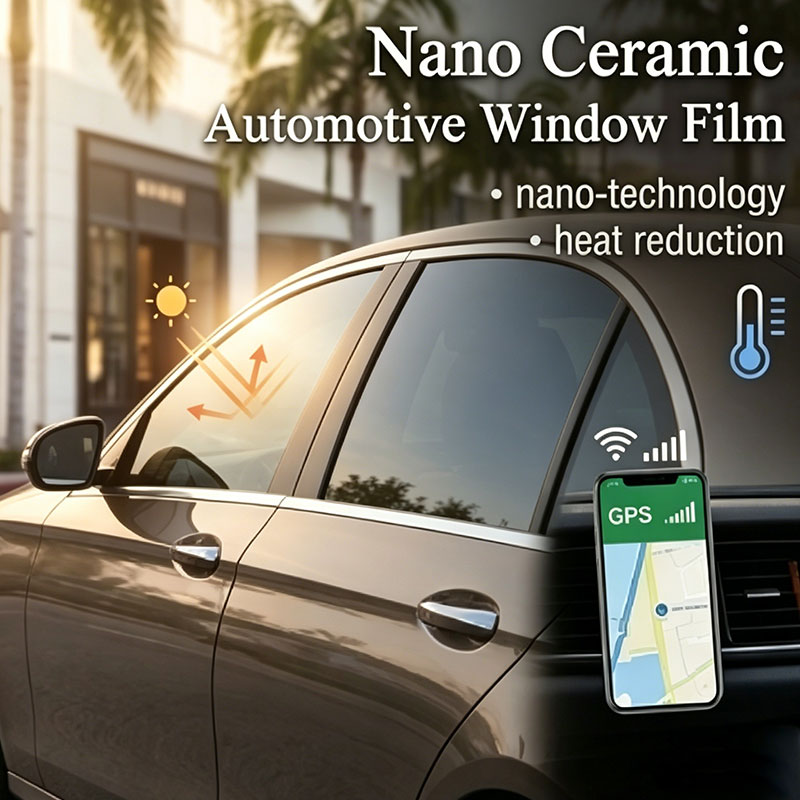 Nano Ceramic Automotive Window Film with True-Color ClarityA hybrid nano-ceramic film combining original-color technology with strong UV protection, high heat rejection, and no signal interference. It resists discoloration, peeling, and bubbling, exemplifying the premium ceramic construction described in the preceding paragraph.View Product →
Spectrally selective and low-E films
Spectrally selective films push selectivity further, transmitting visible light while rejecting most near-infrared, which suits offices, showrooms, and storefronts where daylight and clarity are priorities. Low-E films add a coating that reflects interior radiant heat back indoors during winter, so they earn their keep in mixed climates with real heating seasons. Both categories sit at the top of the price range and reward buyers who need maximum performance per square meter.
Automotive and Architectural Installations Differ
On vehicles, the constraints are legal and technical. Most jurisdictions set a minimum visible light transmission for front side windows, commonly around 70%, so high-heat front-glass solutions need ceramic or spectrally selective constructions that reject infrared without darkening the view. Rear glass allows darker films where the law permits. Installation is interior-mounted on tempered or laminated glass, and film choice must account for defroster lines and antenna placement.
On buildings, the constraints come from the glass itself. Insulated glass units, tinted glass, and large single panes each carry thermal-stress limits, and an absorbing film on incompatible glass can contribute to breakage in rare cases. Reputable manufacturers publish approved film-to-glass combinations for exactly this reason. Interior mounting is standard, but exterior-grade films exist for facades where inside access is impossible, and commercial projects are usually specified using SHGC and U-value alongside TSER. For a closer look at the figures that drive commercial specification decisions, see our guide to architectural window film performance metrics.
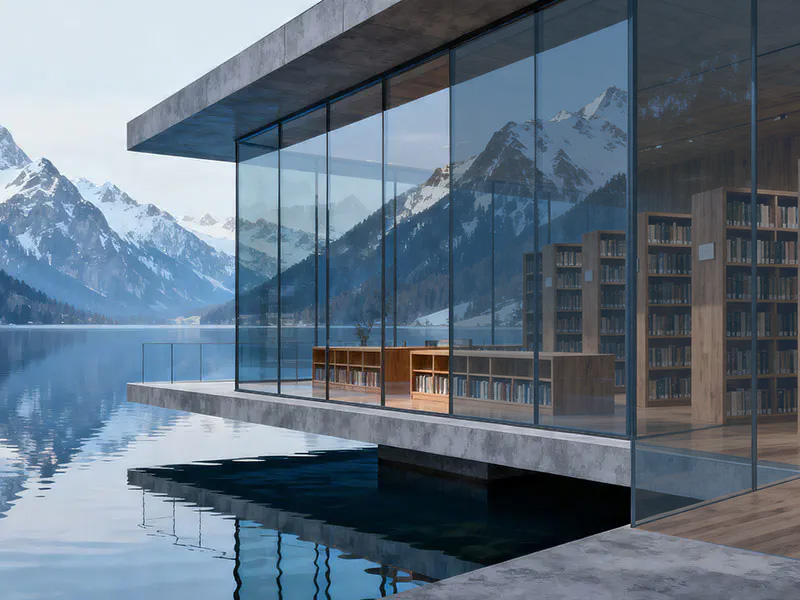 Architectural Window Film with Magnetron Sputtering Solar ControlBuilding film offering multi-layer sputtered heat rejection, 99% UV filtering, glare reduction, and 2-mil or 4-mil safety thicknesses. It suits the architectural context here, where film-to-glass compatibility and published performance metrics matter.View Product →
How to Evaluate a Film Before You Buy
Specification sheets are where purchases are won or lost. A disciplined comparison comes down to six checks:
- Compare TSER at the same VLT. Two films with identical visible transmission can differ by more than 15 percentage points in total solar energy rejection.
- Read IRR claims skeptically. Infrared rejection is often quoted at a single wavelength near 950 nanometers; a film can score 95% there and still deliver modest overall heat control. TSER accounts for the full spectrum.
- Match the film to the glass. Ask for the manufacturer's approved combinations for insulated units, tinted glass, and low-E glazing before signing off on a large installation.
- Confirm legal VLT. For vehicle front windows, verify the limit in your market and make sure the film's measured VLT, not its nominal rating, complies.
- Interrogate the warranty. Look for explicit coverage of color change, adhesive failure, demetallization, and cracking, along with term length and whether coverage transfers with the vehicle or property.
- Assess the source. A vertically integrated film manufacturer that controls coating, lamination, and quality control in-house can trace a batch problem back to root cause; a trader re-bagging imported jumbo rolls usually cannot.
That last point matters more than most buyers realize. When the same factory produces both automotive and architectural lines, specification questions get answered by the people who built the product, not by a distributor reading from a catalog.
What to Expect After Installation
Set expectations precisely and the product delivers. Film reduces solar heat gain substantially but does not eliminate it; on a peak summer afternoon, a well-matched ceramic film turns an oppressive glass wall or windshield into a manageable one, yet some heat still enters through conduction and air exchange. Glare drops immediately and visibly. Interior fading slows considerably because ultraviolet radiation, the primary fading driver, is nearly eliminated, though visible light and heat still contribute, so no film stops fading entirely.
Two practical notes round out the picture. First, the adhesive needs time to cure: light haze and small moisture patterns during the first days are normal, and full clarity typically takes up to 30 days depending on climate. Second, for commercial buildings in cooling-dominated regions, the energy case rests on reduced peak cooling loads, which is why film retrofits are most compelling on west- and south-facing glazing with high occupant discomfort or HVAC costs.
Whether you run a detailing shop adding a tint bay, a distribution business evaluating a new film line, or a contractor specifying glazing upgrades, the sourcing logic is the same: start from verified data sheets, match construction to glass and law, and buy from a manufacturer with the process control to stand behind its numbers. As a vertically integrated film manufacturer serving automotive, architectural, and industrial customers, HeHe New Materials produces nano ceramic, sputtered, and safety window film lines alongside its TPU PPF range. Contact us to request technical data sheets, sample kits, and OEM or private-label options.
Related products
-

-
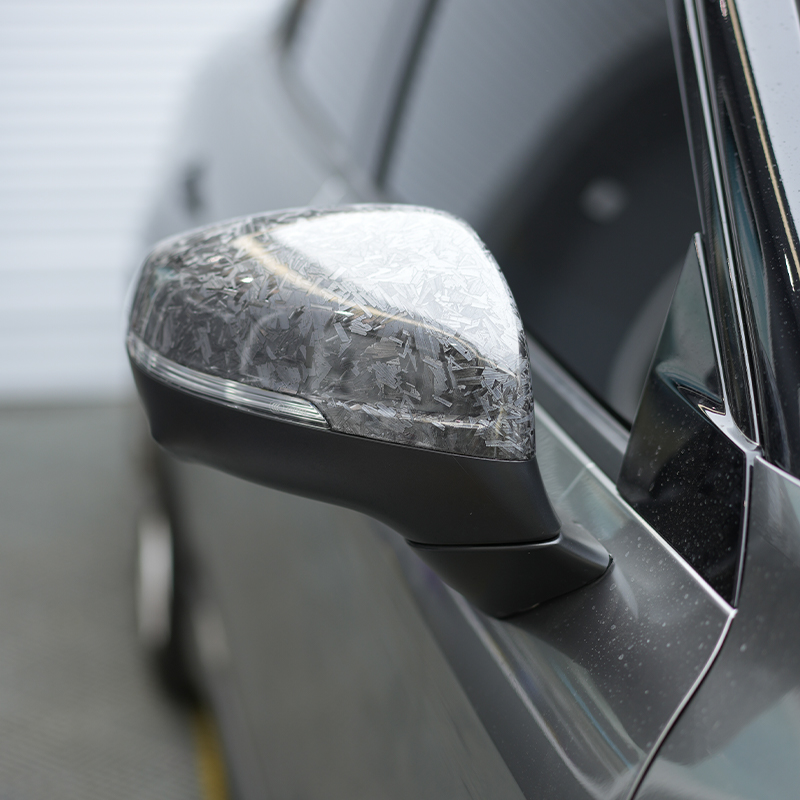
Forged Carbon Black Performance Metallic TPU Film draws inspiration from the raw, industrial beauty of forged carbon fibre and aerospace-grade black m...
See Details -
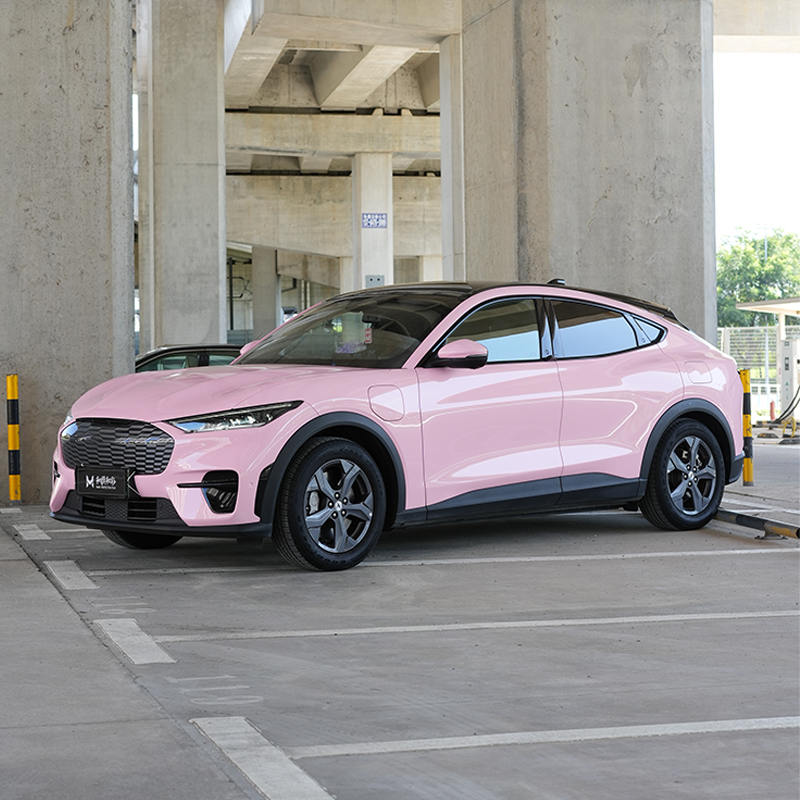
Lolita Pink Candy Crystal TPU Wrap Film is a celebration of sweetness, femininity, and playful luxury. Inspired by the delicate, candy-like aesthetics...
See Details -
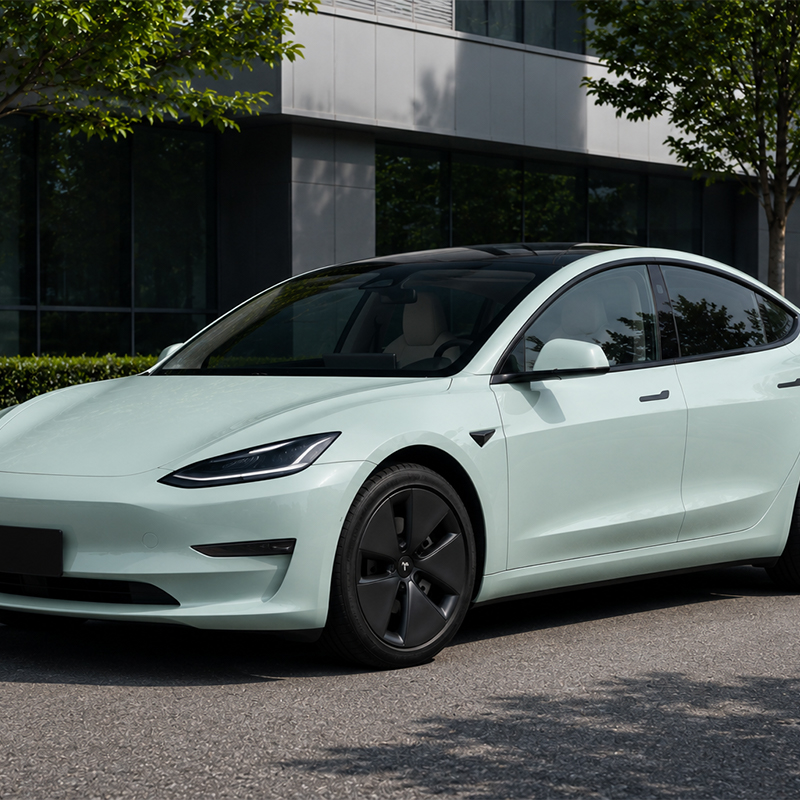
Somato Blue Liquid Pearl TPU Car Wrap Film presents a sophisticated, European-inspired deep blue in a liquid pearl finish that flows and shimmers with...
See Details
GET THE LATEST QUOTATIONS
-
 No. 5, Datang Road, East District, Development Zone, Guangde City, Xuancheng City, Anhui Province,242200, China
-
 [email protected]
-
 +86 18170340295
PRODUCTS
MOBILE WEB
Copyright Anhui He He New Materials Co., Ltd. All Rights Reserved.
 Wholesale TPU PPF Film Automotive TPU PPF Manufacturer