
 English
 русский
 Français
 Español
 Português
 Deutsch
 عربى
عربى
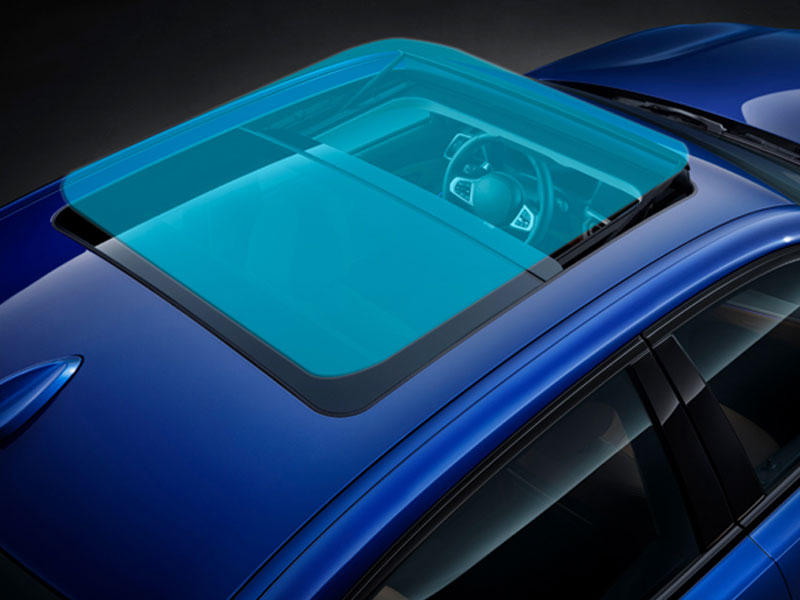
Our Sky Glacier Blue TPU Sunroof Film is a high-performance protection layer specifically engineered for automotive sunroofs and panoramic roofs. It combines advanced solar control technology with the rugged durability of Paint Protection Film (PPF) to transfo...

-
-
 Exterior Armor for Maximum Visibility and Safety Our EPU Windshield Protection Film is engineered using a specialized, high-density Elastomeric Polyurethane (EPU). Unlike traditional interior window tints, this film is applied to the exterior of the windshield...
 -
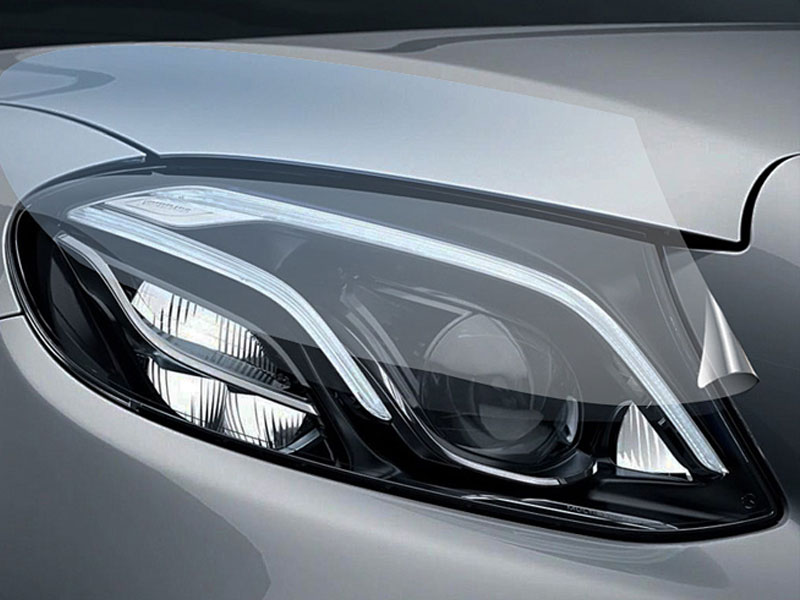 Aggressive Style. Invisible Protection. Uncompromised Safety. Our TPU Headlight Film is the ultimate solution for enthusiasts looking to enhance their vehicle's aesthetics without sacrificing night-time visibility. Made from premium, high-flexibility TPU, this...
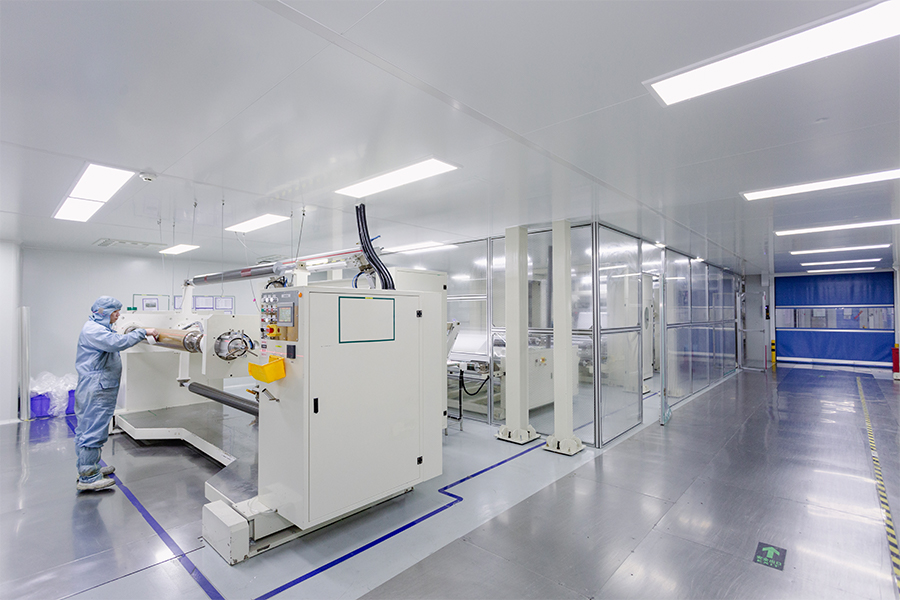
Automotive Functional Film Manufacturers
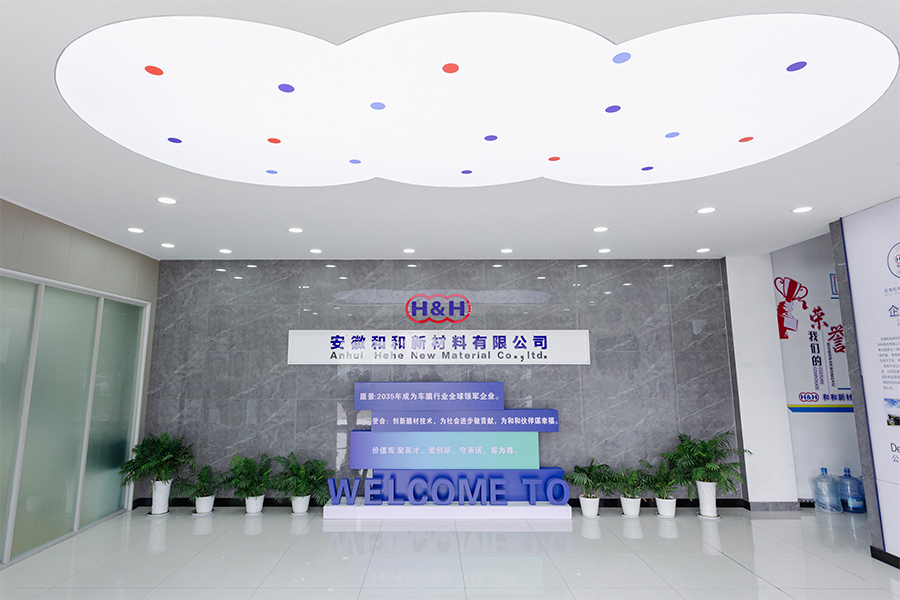
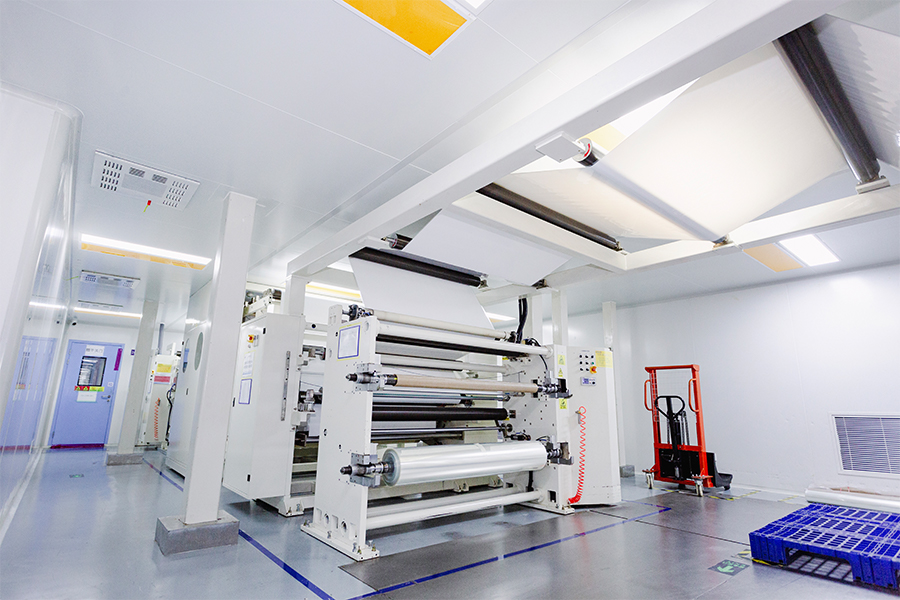
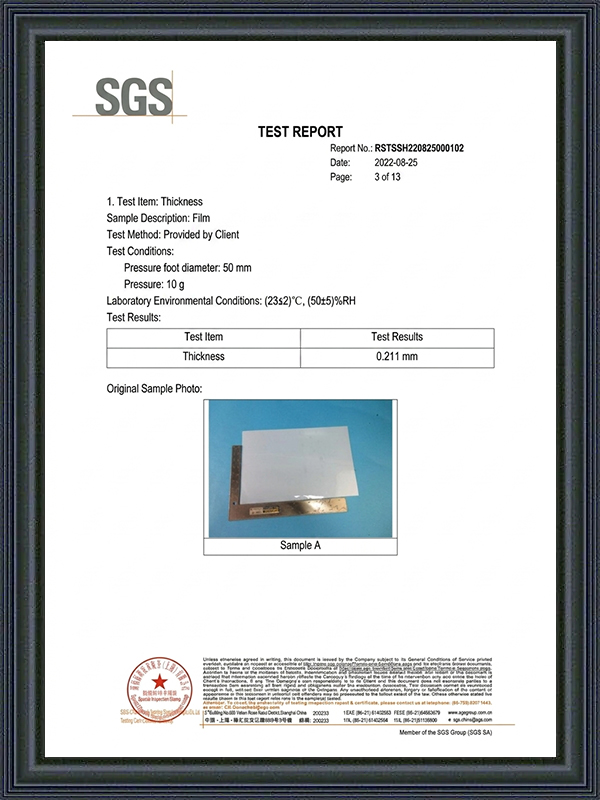
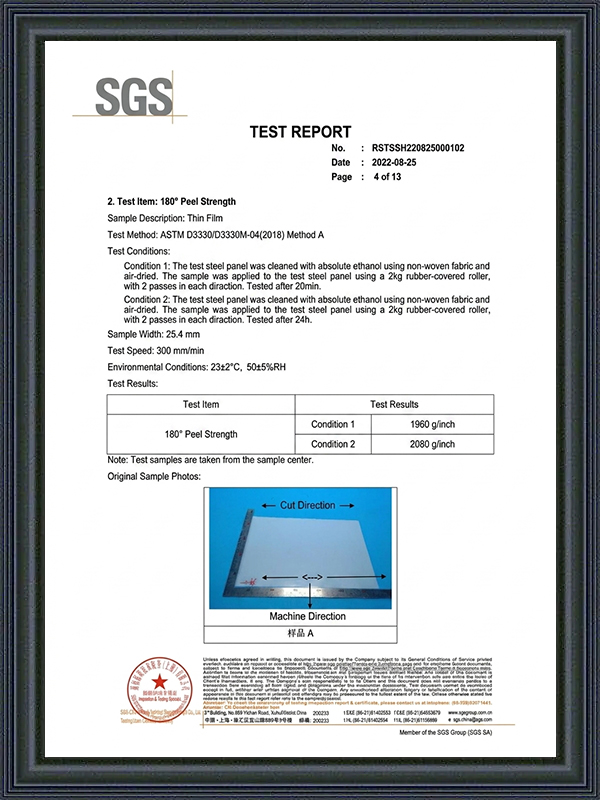
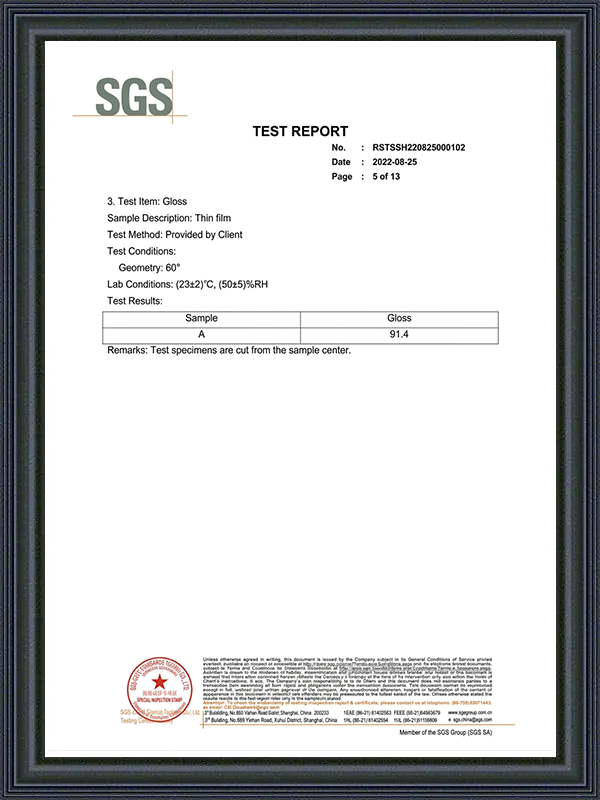
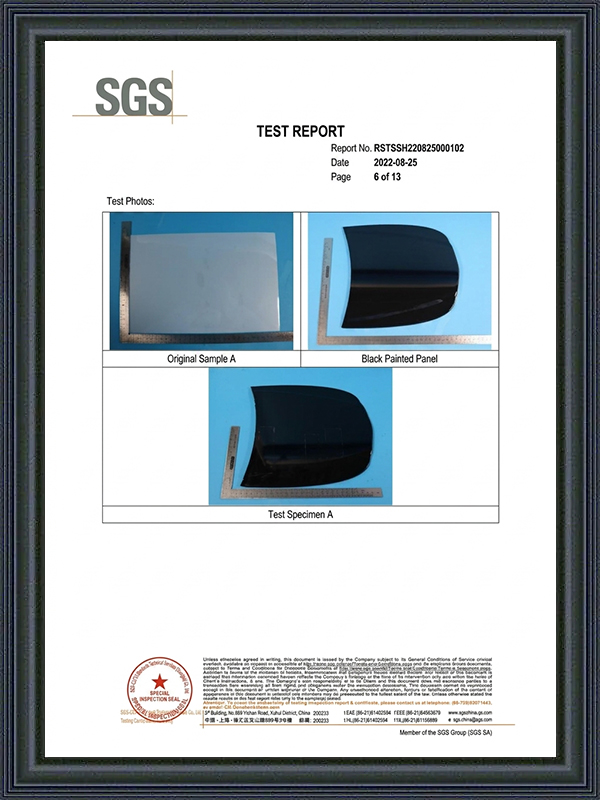
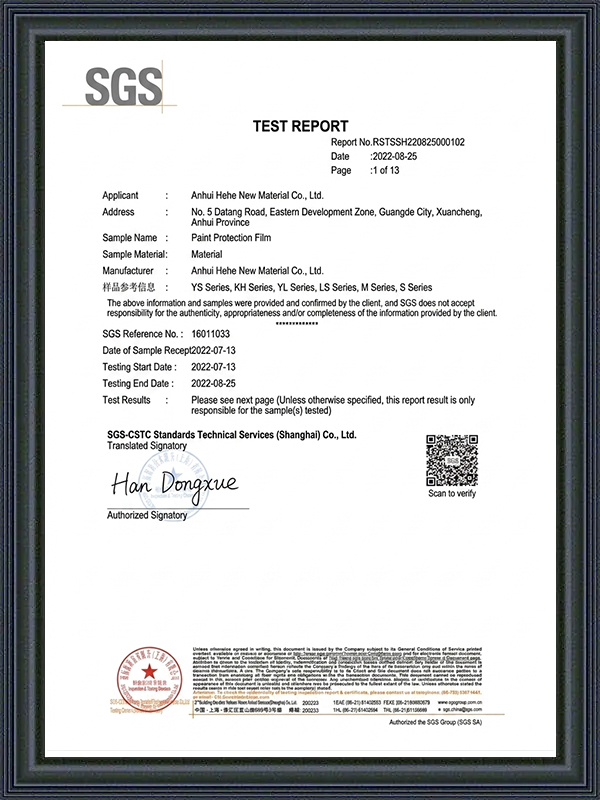
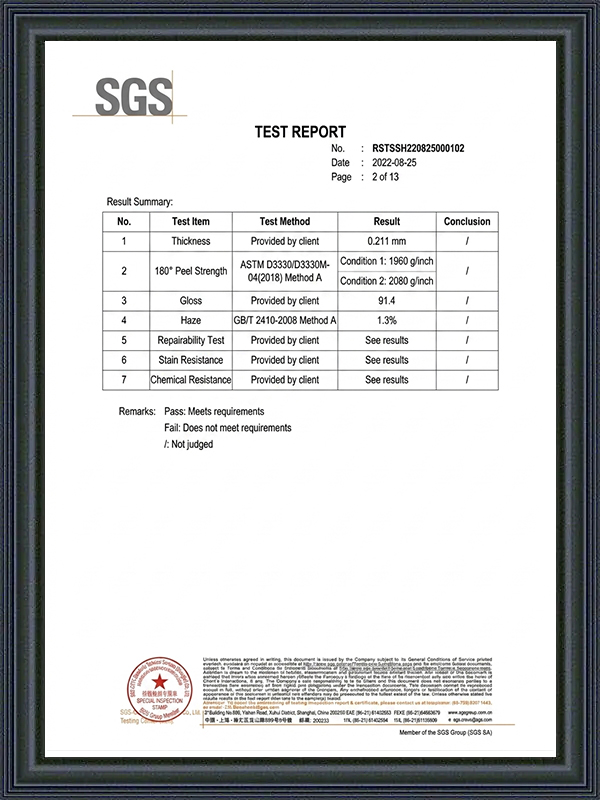
Anhui He He New Materials Co., Ltd. established in 2019, we are committed to developing a globally leading R&D and manufacturing platform for automotive films, providing cutting-edge film solutions for the automotive beauty, new energy battery, and 3C electronics industries. As China Automotive Functional Film Manufacturers and Automotive Functional Film Factory, HEHE are a direct manufacturer, a true full-industry-chain production factory. We have a complete in-house system covering specialty adhesive R&D, functional coating formulation, and precision coating production. Leveraging our full-industry-chain advantages, we offer not only contract manufacturing but also in-depth customization. Wholesale Automotive Functional Film. We can tailor film thickness and coating performance to your brand requirements, helping you build differentiated brand competitiveness.
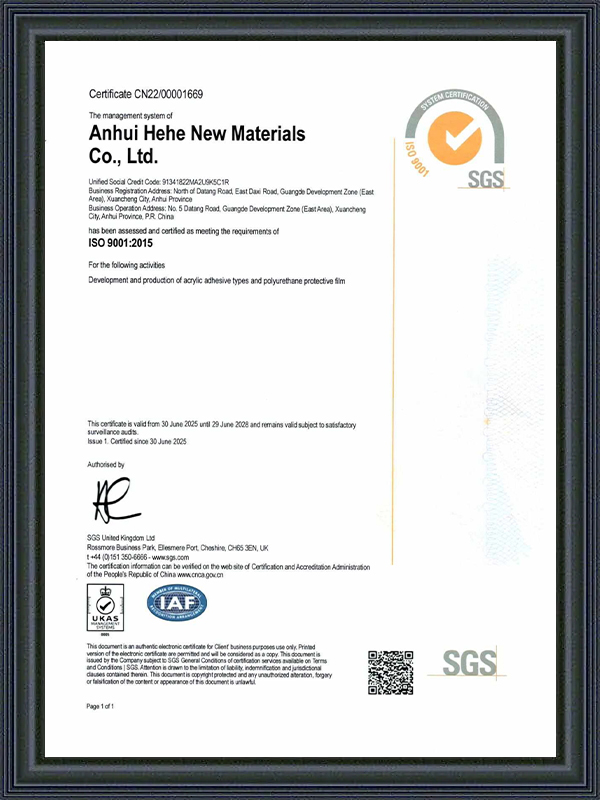
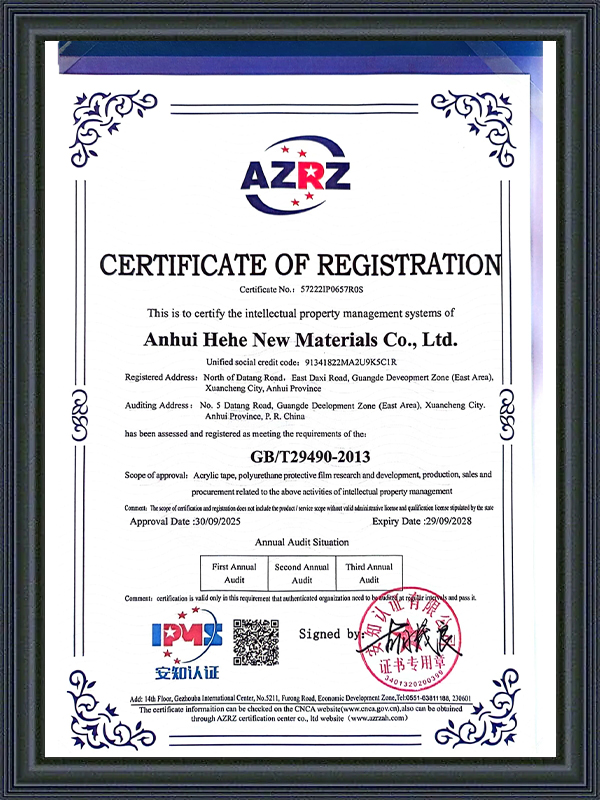
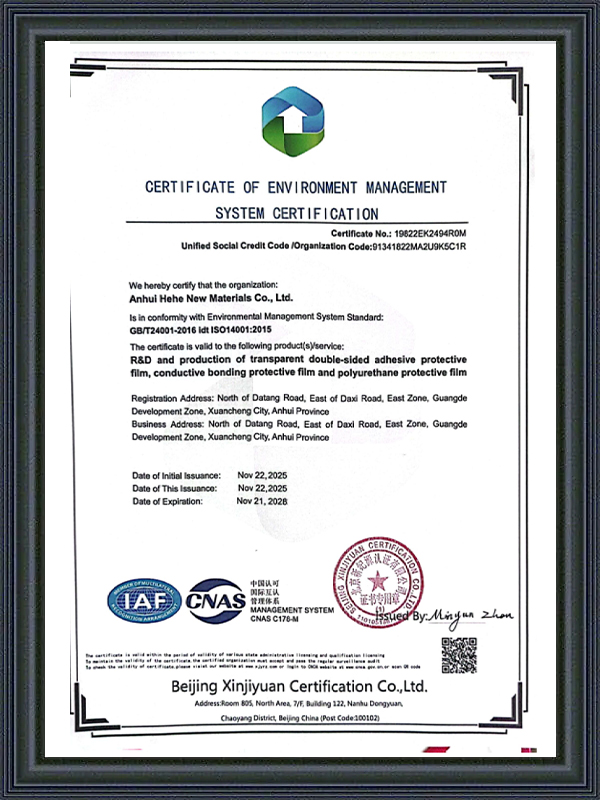
Quality Assurance
LEARN MORE
NEWS &
EXHIBITIONS
Industry Knowledge
Industry Knowledge
The Evolution of Automotive Functional Film in Modern Vehicle Design
The role of Automotive Functional Film has transcended mere aesthetic enhancement to become a critical component in vehicle performance, safety, and energy efficiency. Modern vehicles are increasingly equipped with complex electronic systems, sensitive sensors, and large glass surfaces that require specialized protective layers. These films are engineered with advanced materials such as thermoplastic polyurethane (TPU), nano-ceramics, and multi-layer optical polymers to provide specific functionalities like UV rejection, infrared heat reduction, impact resistance, and self-healing capabilities. The integration of these films into the automotive supply chain allows manufacturers to reduce weight, improve thermal management, and enhance the longevity of interior and exterior components without compromising design flexibility.
Thermal Management and Energy Efficiency in Electric Vehicles
In the realm of new energy vehicles, thermal management is paramount for maximizing battery life and driving range. High-performance window films play a crucial role by rejecting solar heat gain, thereby reducing the load on the air conditioning system. This directly translates to lower energy consumption and extended battery range. Furthermore, specialized films are being developed for battery packs and electronic control units to provide thermal insulation and protection against environmental hazards. The ability of Automotive Functional Film to manage heat flow not only improves passenger comfort but also contributes to the overall efficiency and sustainability of electric mobility solutions.
- Reduces cabin temperature by blocking up to 90% of infrared radiation.
- Lowers AC usage, leading to significant energy savings in EVs.
- Protects battery components from extreme external temperature fluctuations.
- Enhances driver comfort and reduces fatigue during long journeys.
Advanced Material Science: TPU and Nano-Ceramic Technologies
The effectiveness of functional films is largely determined by the underlying material science. Thermoplastic Polyurethane (TPU) has emerged as the gold standard for paint protection films due to its exceptional elasticity, durability, and self-healing properties. Unlike traditional PVC or TPH materials, TPU can withstand significant impact without tearing and can repair minor scratches when exposed to heat. On the other hand, nano-ceramic technology is revolutionizing window films by providing superior heat rejection without interfering with electronic signals. These non-metallic particles are embedded in multiple layers of polyester, creating a barrier that blocks heat while maintaining high visible light transmission. This technological advancement ensures that modern vehicles remain connected and safe while enjoying optimal thermal comfort.
Manufacturing Excellence and Customization at Anhui He He New Materials
Anhui He He New Materials Co., Ltd., established in 2019, is committed to developing a globally leading R&D and manufacturing platform for automotive films. As a direct manufacturer and a true full-industry-chain production factory, HEHE provides cutting-edge film solutions for the automotive beauty, new energy battery, and 3C electronics industries. Their complete in-house system covers specialty adhesive R&D, functional coating formulation, and precision coating production. This vertical integration allows HEHE to offer deep customization for Automotive Functional Film, tailoring specifications such as thickness, hardness, and optical properties to meet specific brand requirements. By leveraging these full-industry-chain advantages, they help partners build differentiated brand competitiveness in a crowded market.
| Feature | Standard Film | HEHE Premium Functional Film |
|---|---|---|
| Material Base | PVC/TPH | Aliphatic TPU/Nano-Ceramic |
| Self-Healing | No/Limited | Yes (Advanced Top Coat) |
| UV Rejection | 90-95% | 99%+ |
| Customization | Limited | Full (Thickness, Coating, Adhesive) |
| Production Model | Outsourced Components | Full-Industry-Chain Control |
By partnering with Anhui He He New Materials Co., Ltd., brands gain access to state-of-the-art manufacturing capabilities that ensure consistent quality and performance. Whether for standard passenger vehicles or specialized electric fleets, their customized Automotive Functional Film solutions provide the perfect balance of aesthetics, comfort, and protection, helping businesses thrive in the evolving automotive landscape.
GET THE LATEST QUOTATIONS
-
 No. 5, Datang Road, East District, Development Zone, Guangde City, Xuancheng City, Anhui Province,242200, China
-
 [email protected]
-
 +86 18170340295
PRODUCTS
MOBILE WEB
Copyright Anhui He He New Materials Co., Ltd. All Rights Reserved.
 Wholesale Automotive Functional Film Factory