
 English
 русский
 Français
 Español
 Português
 Deutsch
 عربى
عربى
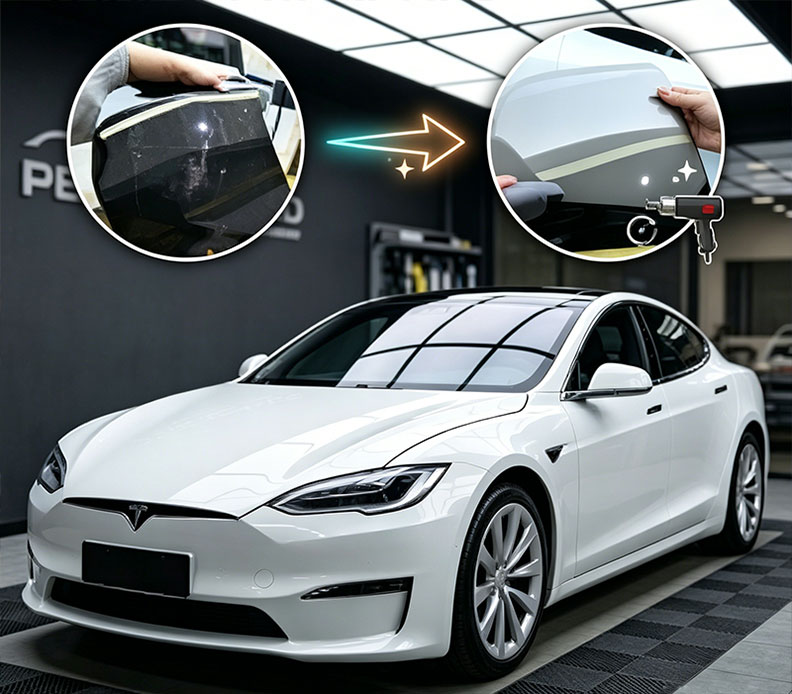
Elevate your vehicle's appearance with the High Gloss Laser White TPU Color PPF — a premium paint protection film that transforms your car with a stun...
See Details
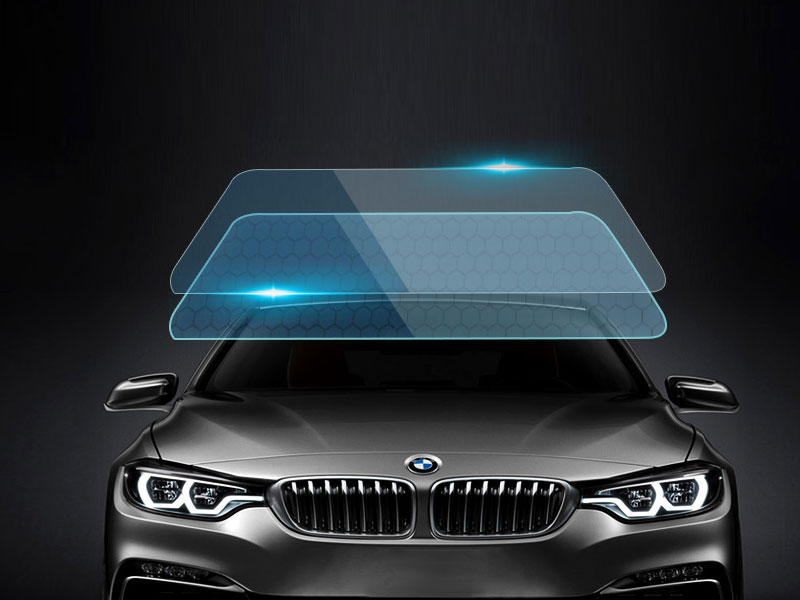
EPU Windshield PPF
Exterior Armor for Maximum Visibility and Safety
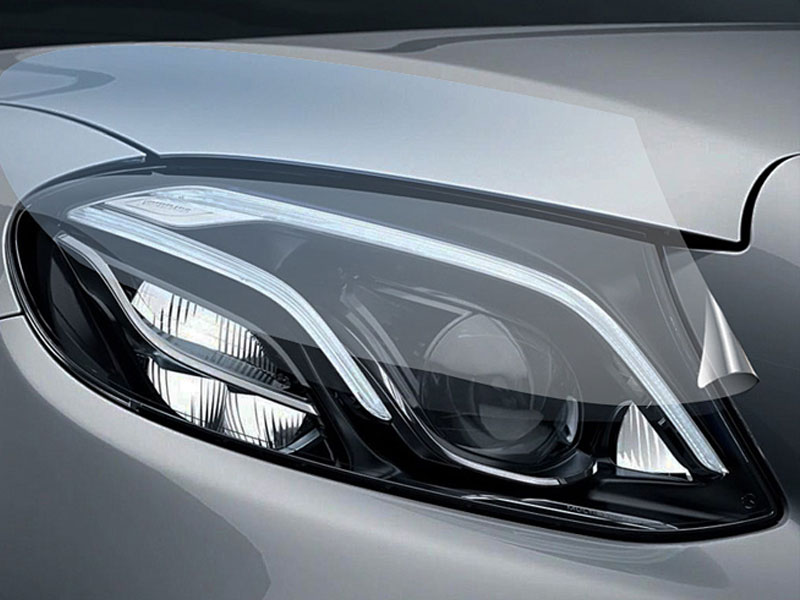
Our EPU Windshield Protection Film is engineered using a specialized, high-density Elastomeric Polyurethane (EPU). Unlike traditional interior window tints, this film is applied to the exterior of the windshield to act as a sacrificial barrier against road debris, rock chips, and environmental wear.
Why Choose EPU Technology?
Ultra-High Optical Clarity: Specifically designed for the front windshield, this film provides high-definition transparency with zero distortion, ensuring a safe and clear view of the road under all lighting conditions.
Instant Self-Healing Coating: Features an advanced "Second-Heal" topcoat. Minor surface abrasions and swirl marks from wipers or cleaning brushes disappear almost instantly at room temperature, maintaining a pristine finish.
Revolutionary "No-Heat" Installation: Unlike traditional PET-based window films, our EPU material is highly flexible. It can be installed directly onto the glass without the need for a heat gun (no baking/shrinking required), significantly reducing installation time and complexity.
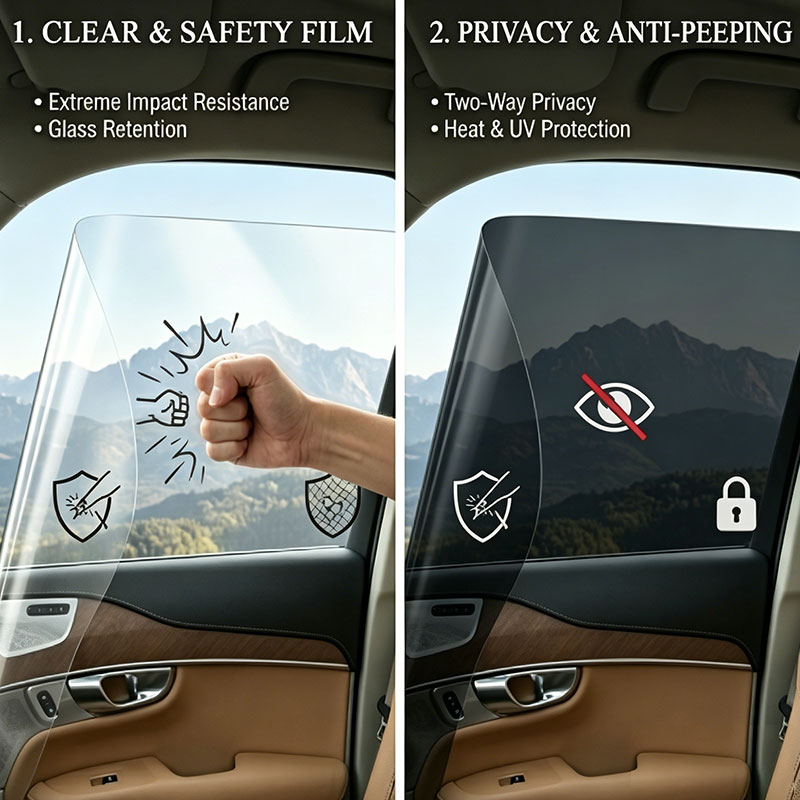
Safety & Explosion-Proofing: The high-tensile EPU layer absorbs the impact of road stones and gravel, preventing glass pitting and cracks. In the event of a heavy impact, the film holds shattered glass together, protecting the vehicle occupants.
Advanced UV & Scratch Resistance: Blocks 99% of harmful UV rays to protect the driver and the car's interior. The ultra-clear, scratch-resistant surface ensures long-term durability against the constant friction of windshield wipers.
Clean Removal: Designed with a high-stability adhesive system that remains secure for years but removes cleanly without leaving residue on the glass.
Related products
-
-
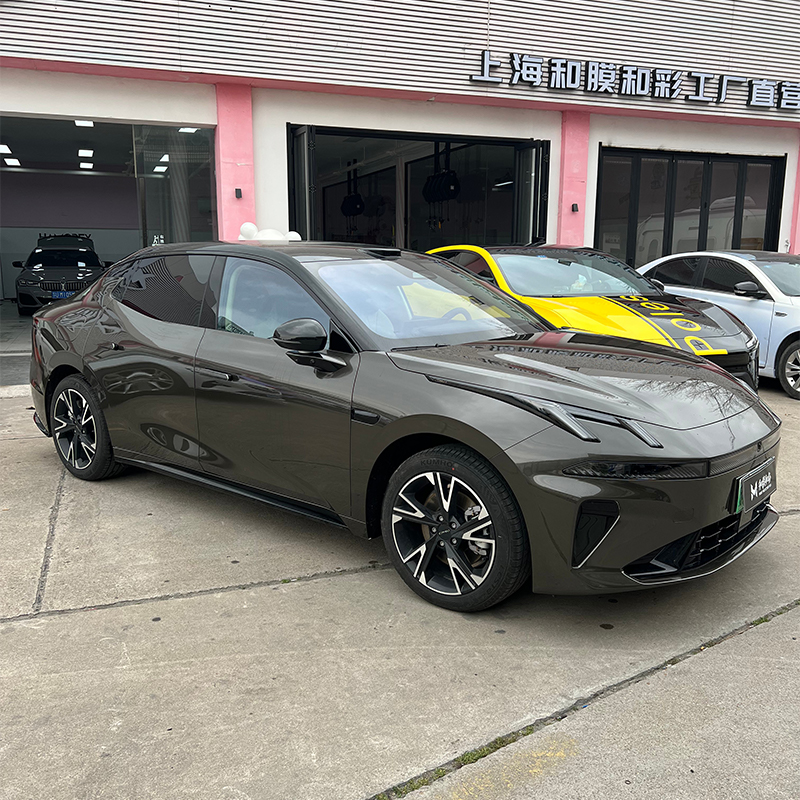
Satin AMG Gray Premium Matte TPU Color PPF is engineered to replicate and protect the iconic AMG performance grey tone — a colour synonymous with Merc...
See Details -
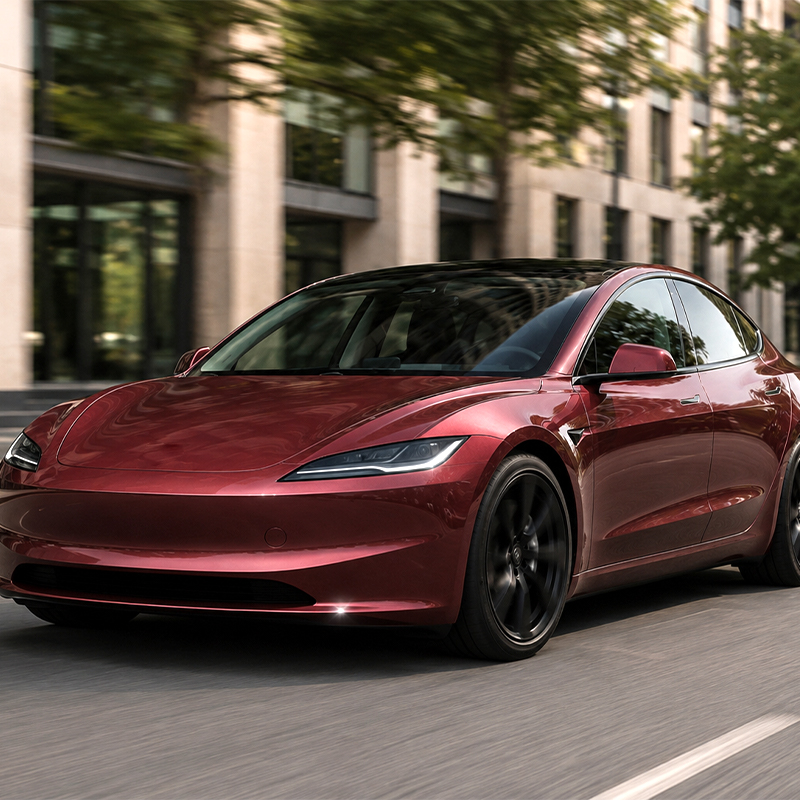
Black Rose is a dual-color chameleon TPU paint protection film that shifts between deep, velvety black and rich rose red depending on light and viewin...
See Details -
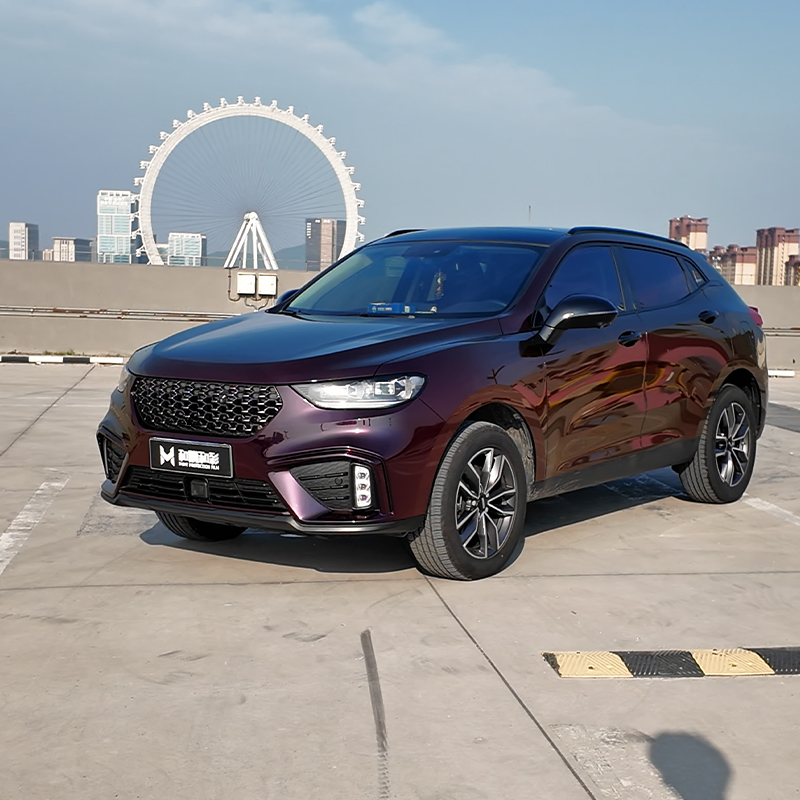
Aurora Black Charm Red Chameleon TPU PPF is a top-tier paint protection film featuring a mesmerizing color shift between deep black and charming red u...
See Details -
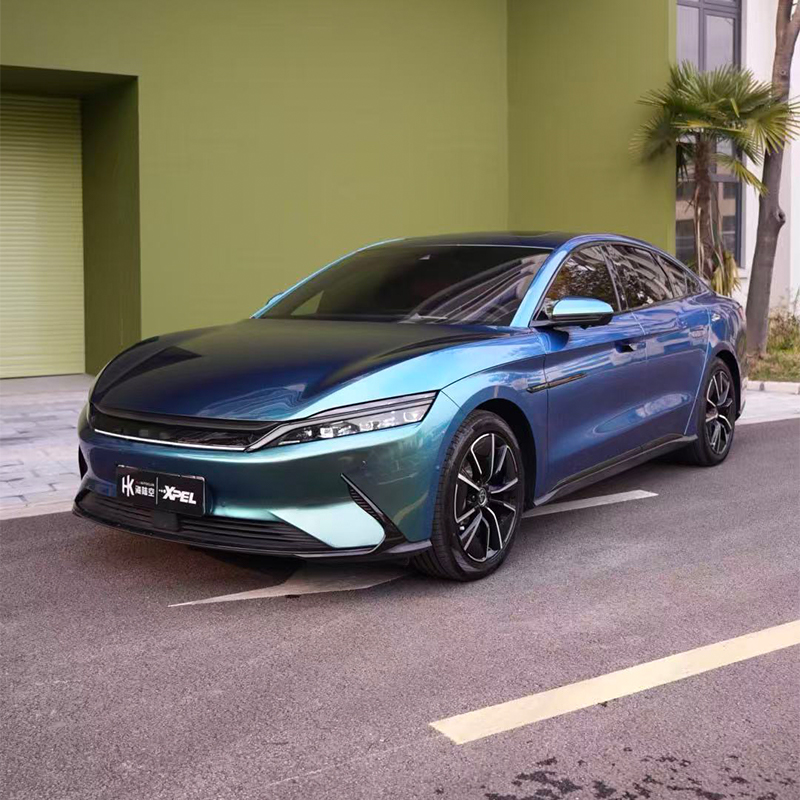
Aurora Bluish-Green Chameleon Color PPF draws inspiration from the breathtaking colors of the polar aurora borealis, delivering a fluid transition bet...
See Details -
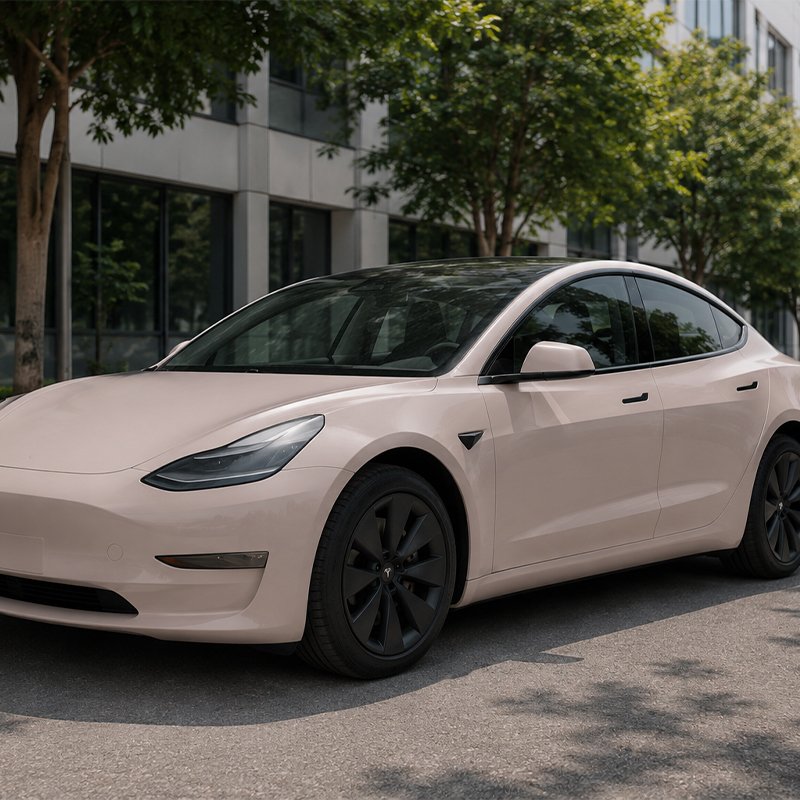
Mirror Vacuum Pink High Reflective TPU Color PPF is engineered for drivers who demand maximum visual presence. Utilizing a vacuum-deposited PVD metall...
See Details
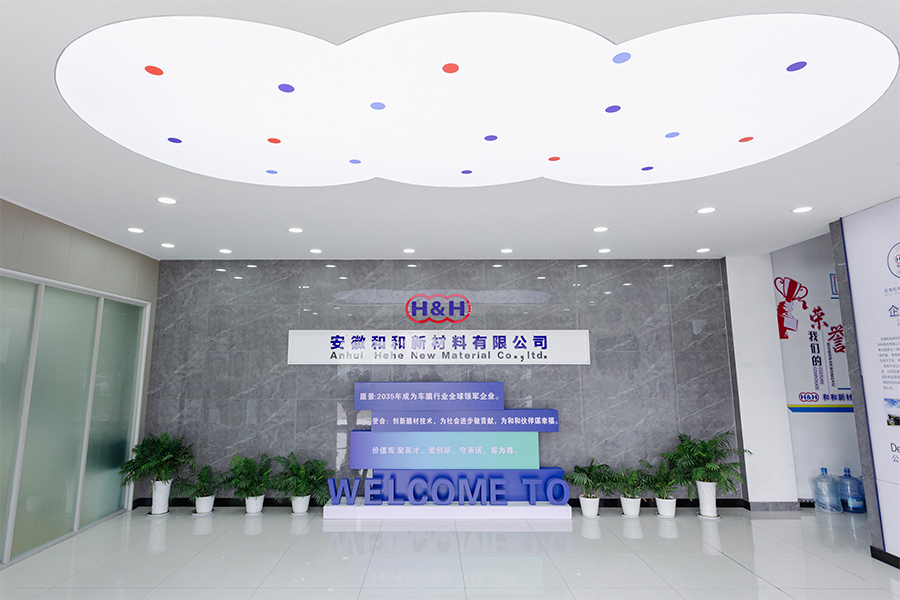
Vertically Integrated Automotive Film Solutions Partner
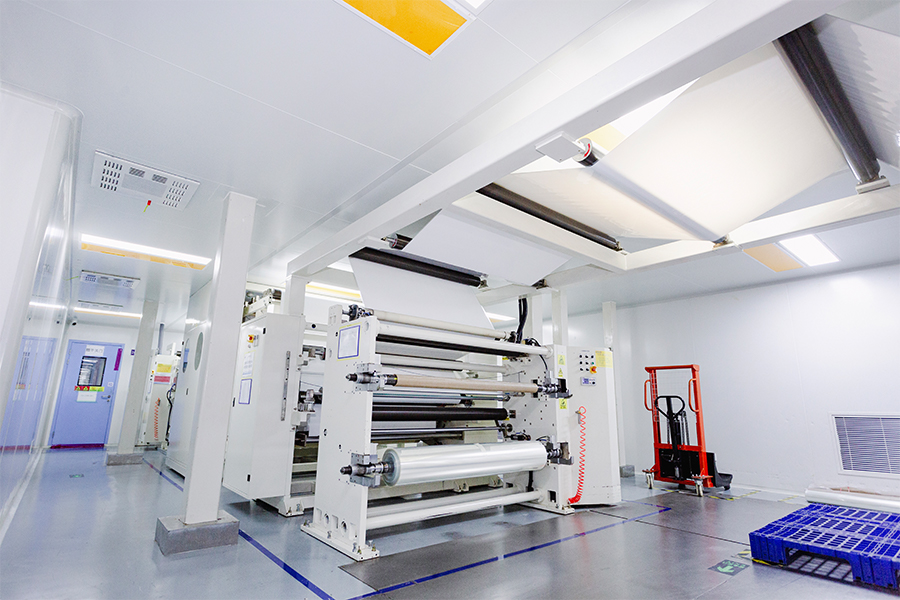
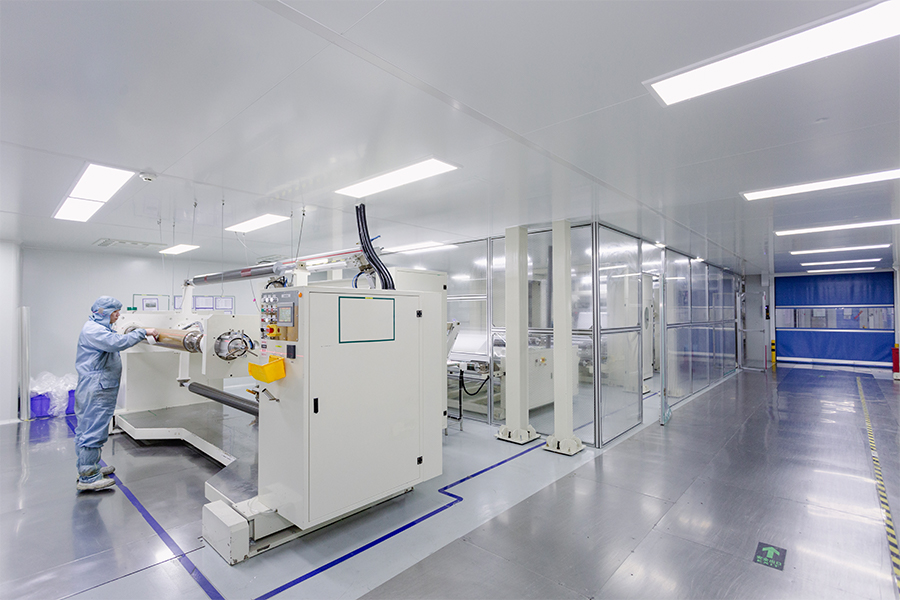
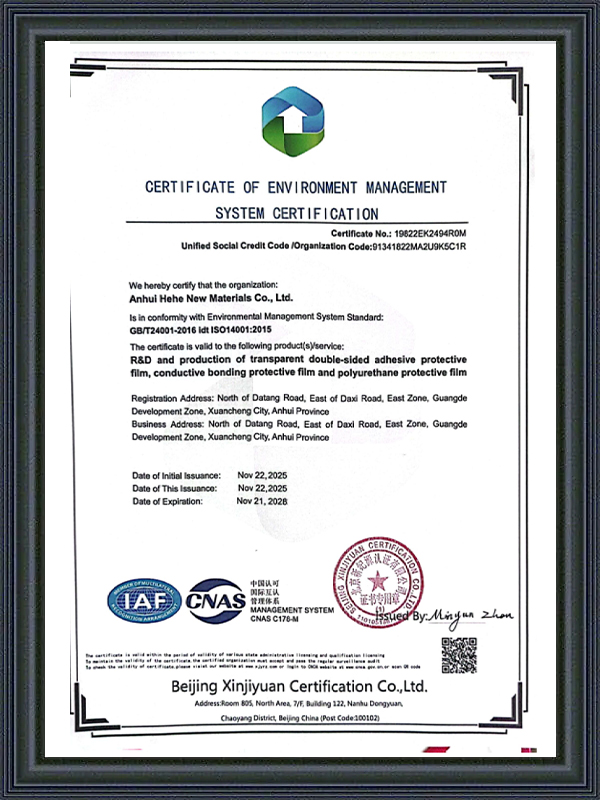
Anhui He He New Materials Co., Ltd. established in 2019, we are committed to developing a globally leading R&D and manufacturing platform for automotive films, providing cutting-edge film solutions for the automotive beauty, new energy battery, and 3C electronics industries. As EPU Windshield PPF Manufacturers, HEHE are a direct manufacturer, a true full-industry-chain production factory. We have a complete in-house system covering specialty adhesive R&D, functional coating formulation, and precision coating production. Leveraging our full-industry-chain advantages, we offer not only contract manufacturing but also in-depth customization. Wholesale EPU PPF for Windshield. We can tailor film thickness and coating performance to your brand requirements, helping you build differentiated brand competitiveness.
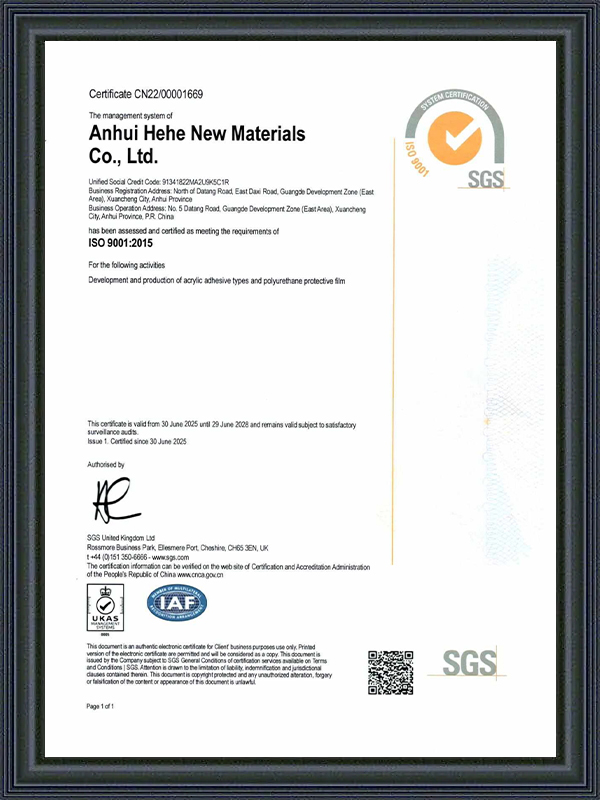
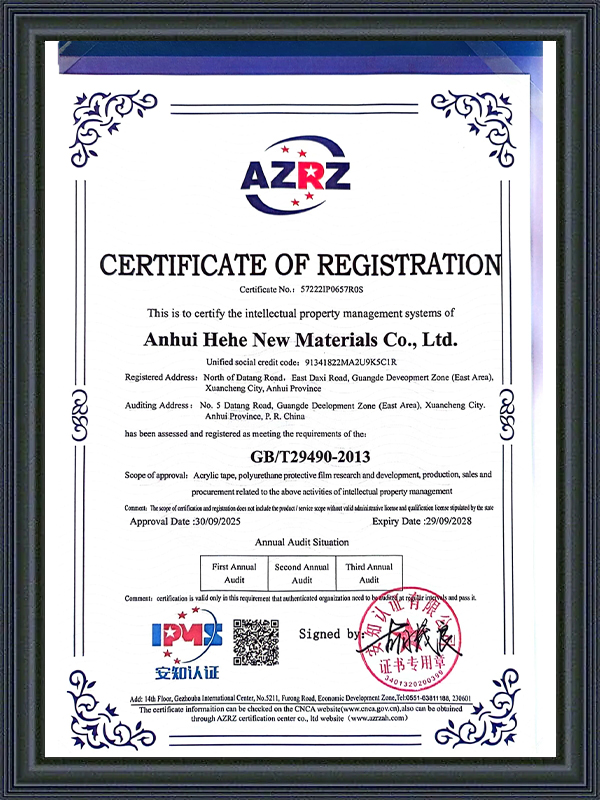
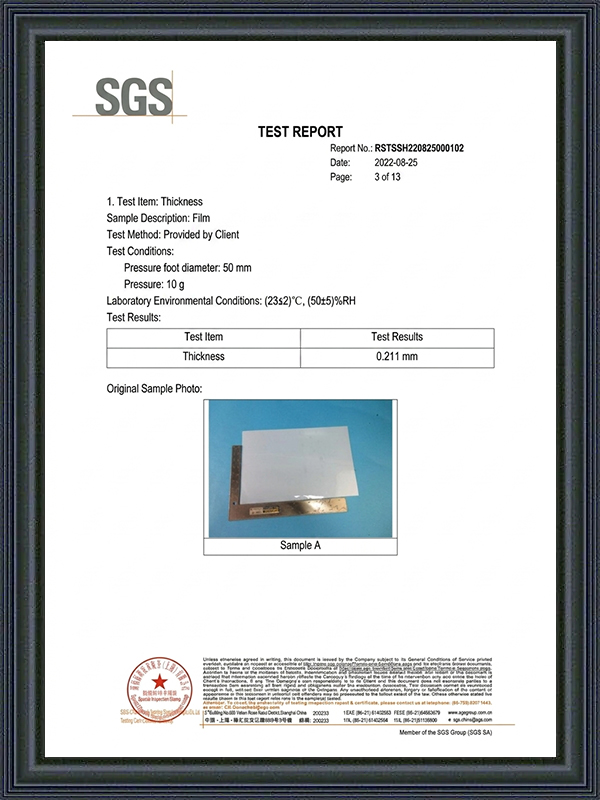
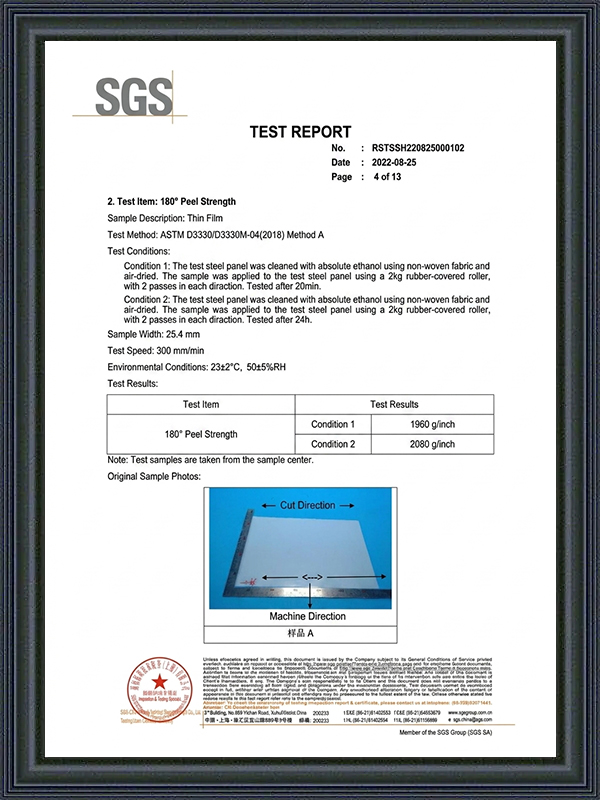
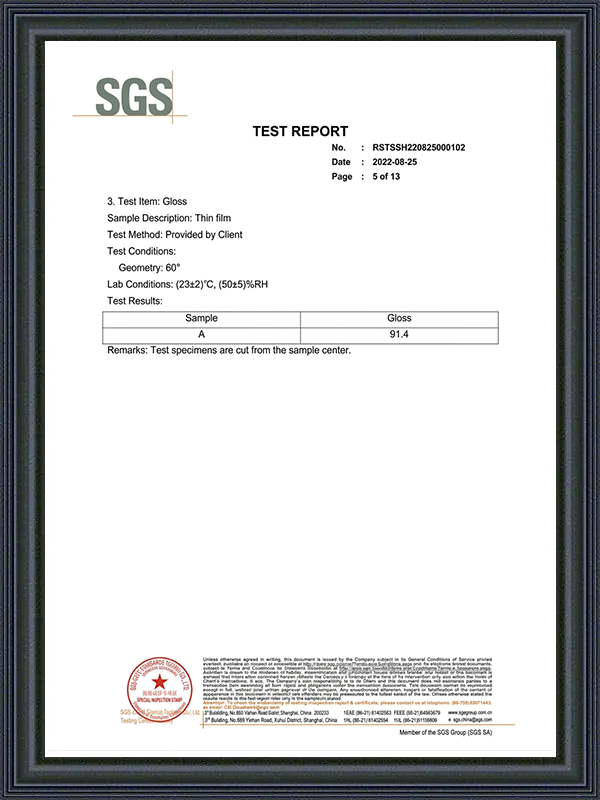
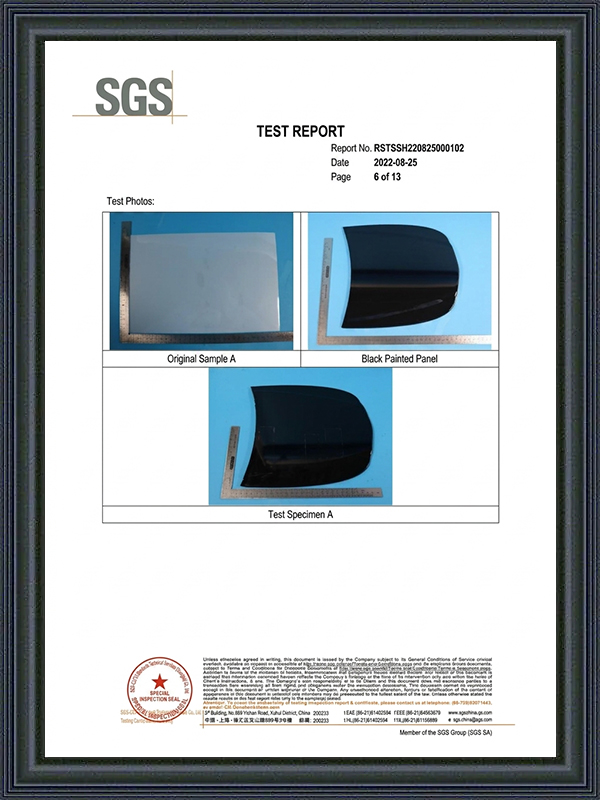
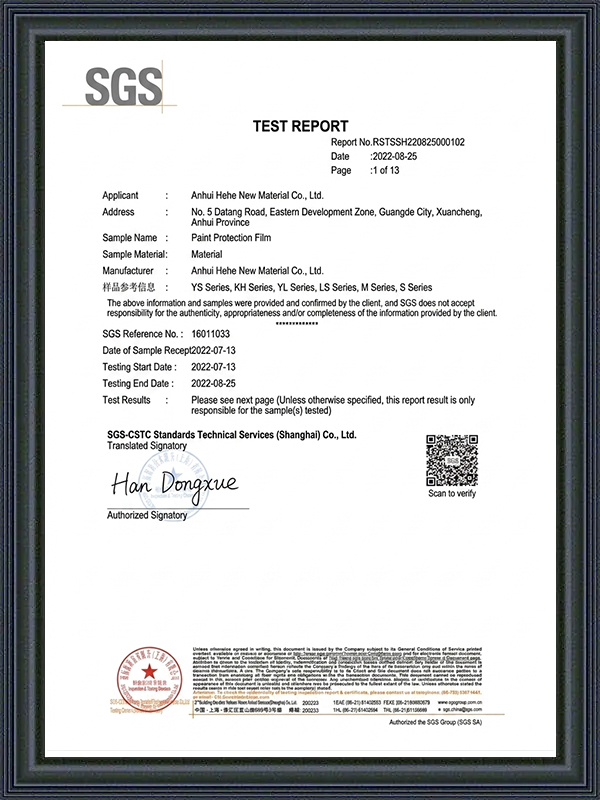
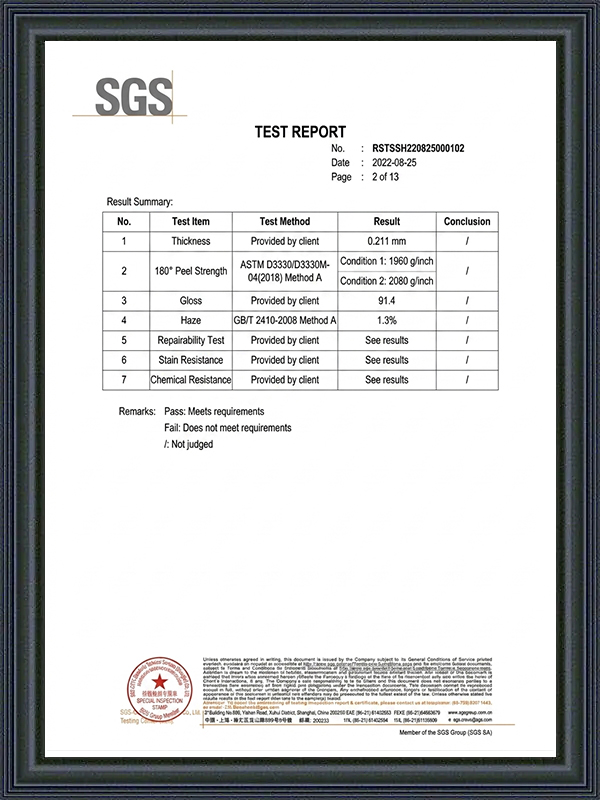
Quality Assurance
LEARN MORE
NEWS &
EXHIBITIONS

Industry Knowledge
The EPU Advantage: Why Standard TPU Falls Short on Windshield Optics
Traditional TPU-based paint protection films are engineered for body panels where slight orange peel or haze is acceptable. Applying such a film to a windshield would distort the driver's view, creating a dangerous "underwater" visual effect. EPU Windshield PPF represents a distinct polymer class—Engineered Polyurethane—where the molecular hard and soft segment ratio is tuned specifically for optical clarity and surface flatness approaching that of glass. Anhui He He New Materials Co., Ltd., established in 2019, developed its EPU formulation within its full-industry-chain R&D platform to achieve an ASTM D1003 haze value below 0.8% and a transmitted image clarity above 95%. This is accomplished by suppressing the formation of large spherulites during extrusion that scatter light. As a direct manufacturer of wholesale TPU clear protective film, HEHE recognized that the windshield application demands a fundamentally different substrate than the paint protection market typically offers. Our EPU Windshield PPF is cast on an ultra-smooth, optically flat carrier liner and post-processed with a surface-leveling annealing step that eliminates the microscopic waviness responsible for ghost images and eye fatigue during long-distance driving. The result is a Windshield Protection Film that is virtually invisible to the driver while providing substantial impact resistance.
The Refractive Index Match Between EPU, Adhesive, and Glass
Even an optically clear EPU film will cause distracting internal reflections if its refractive index differs significantly from the glass and the adhesive layers. These reflections manifest as faint double images of oncoming headlights at night. Anhui He He New Materials Co., Ltd. engineers its complete optical stack—the EPU substrate, the specialty adhesive layer, and the hardcoat—to share a closely matched refractive index near 1.50. Our specialty adhesive R&D team formulates pressure-sensitive adhesives using acrylic monomers with precisely controlled phenyl content to fine-tune the refractive index without sacrificing bonding performance. When a Car Windshield Protection Film achieves this index matching, the three layers optically merge into a single medium, eliminating Fresnel reflections at each interface. The table below contrasts the optical performance of an index-matched PPF for Windshield against a generic automotive film applied to glass, quantifying why dedicated windshield films are essential for safety-critical applications:
| Optical Metric | Generic TPU Film on Glass | HEHE Index-Matched EPU Windshield PPF |
| Interlayer Reflection (%) | 0.5–1.2% per interface (Visible ghosting) | < 0.1% (Single-medium clarity) |
| Nighttime Headlight Ghosting | Noticeable double-image offset | No perceptible secondary image |
| Visible Light Transmission | 88–90% (Cumulative loss at each interface) | >92% (Matches untreated windshield closely) |
Wiper Blade Abrasion and the Hardcoat Mar Resistance Threshold
A Windshield Protection Film faces a unique mechanical threat not shared by body panel PPF: the constant, repetitive friction of windshield wipers dragging abrasive grit across a narrow swept area. This creates a characteristic arc-shaped wear band that scatters light and impairs vision directly in the driver's line of sight. Anhui He He New Materials Co., Ltd. formulates its functional topcoat for EPU Windshield PPF with a nano-ceramic reinforced crosslinked structure that achieves a pencil hardness exceeding 4H while retaining the elongation necessary to resist impact. The key metric is not just initial hardness but Taber abrasion resistance: our hardcoat shows less than a 3% haze increase after 500 Taber cycles with a CS-10F wheel under a 500g load. As a true full-industry-chain production factory, we apply this hardcoat via precision slot-die coating to ensure a perfectly uniform thickness of 6–8 microns across the entire windshield panel. Thinner spots become preferential wear points, while thicker spots can micro-crack under wiper blade slap. We can tailor film thickness and coating performance for brands targeting regions with high dust or sand exposure, providing an in-depth customization that extends the functional life of Car Windshield Protection Film under the harshest wiper operating conditions.
Thermoforming Complex Windshield Curvatures Without Optical Distortion
Modern windshields feature compound curves—bending simultaneously in both the horizontal and vertical axes. Installing a PPF for Windshield requires controlled heating and stretching to conform to this geometry. If the film thins unevenly during stretching, the optical path length varies across the glass, introducing distortion. Anhui He He New Materials Co., Ltd. designs its EPU substrate with a deliberately flat stress-strain curve above its softening point, so that the film stretches uniformly rather than necking down locally. Our precision coating production also applies the adhesive in a cross-web profile that compensates for the expected stretch during thermoforming, maintaining uniform adhesive thickness post-installation. We provide installers with a detailed thermal forming map specifying the exact temperature window—typically 120–140°C—where the EPU achieves optimal pliability without risking thermal degradation that would cause yellowing months later. This level of technical support, grounded in our complete in-house system covering raw material extrusion through final slitting, ensures that the installed EPU Windshield PPF maintains undistorted optics across the full driver's field of view, a critical safety criterion that separates a genuine windshield-specific film from a repurposed hood or fender PPF.
Pitting Resistance and the Kinetic Energy Absorption Spectrum
The primary protective function of PPF for Windshield is to absorb the kinetic energy of high-speed road debris—small stones, sand, and tire grit—before it fractures the glass outer layer. The damage manifests initially as microscopic pits that gradually grow into visibility-impairing craters under repeated thermal cycling and wiper action. Anhui He He New Materials Co., Ltd. engineers the EPU layer's dynamic mechanical properties to maximize energy dissipation across the impact velocity spectrum typical of highway driving. Using a split-Hopkinson pressure bar test apparatus integrated into our R&D platform, we measure the film's stress-strain response at strain rates from 10² to 10⁴ s⁻¹. The ideal EPU formulation for a Windshield Protection Film exhibits a high loss modulus at these high frequencies, converting impact kinetic energy into a negligible amount of heat spread across a large area, rather than transmitting the concentrated stress pulse to the glass. The list below outlines the engineering targets we achieve as a direct manufacturer, benchmarks that cannot be met by standard aliphatic TPU formulated for cosmetic paint protection:
- Impact energy absorption efficiency at 10⁴ s⁻¹: The EPU layer must dissipate over 70% of the incident kinetic energy within its own thickness, preventing the glass from experiencing the peak tensile stress that initiates a cone crack.
- Self-healing closure of surface impact craters: Post-impact, the functional coating and EPU substrate must elastically recover the crater depression within 30 minutes at ambient temperature to prevent the pit from becoming a permanent optical defect filled with dirt.
- Low-temperature impact resilience at -20°C: The glass transition temperature of the EPU soft segment is depressed sufficiently so that the film does not become brittle in freezing conditions, where winter road gravel impact frequency is highest.
Compatibility with Rain-Sensing and Heated Windshield Elements
Many modern windshields integrate a thin metallic layer for electrical heating or a sensor pad optically coupled to the glass for rain detection. Applying a Car Windshield Protection Film over these elements introduces new interface considerations. Anhui He He New Materials Co., Ltd. ensures its EPU Windshield PPF does not capacitively couple with the heating element, which could cause uneven heating or local hot spots. Our specialty adhesive is formulated with a low dielectric constant, preventing electrical leakage or interference. For rain sensor zones, we can customize a circular cutout or a sensor-specific patch film with precisely matched optical coupling gel within the film construction. In our contract manufacturing service, we pre-fabricate windshield kits with laser-cut sensor windows toleranced to ±0.3mm, ensuring the film installs cleanly without bubbles or adhesive residue encroaching on the sensor's optical path. This level of vehicle-specific integration, drawing on our capabilities serving the 3C electronics industry where precise optical alignment is routine, transforms a generic windshield protection film into a sophisticated component compatible with the vehicle's safety and convenience electronics.
Long-Term Hydrolytic Stability in the Windshield Plenum Environment
The lower edge of a Windshield Protection Film sits buried in the cowl plenum, an environment where rainwater, decomposing leaf matter, and car wash detergent create a continuously damp, acidic microclimate. Standard ester-based TPU films hydrolyze here, the polymer chains cleaving at the ester linkages, causing embrittlement, yellowing, and ultimately disintegration of the film edge. Anhui He He New Materials Co., Ltd. formulates its EPU for windshield applications using polyether-based soft segments that are inherently hydrolysis-resistant, combined with a polycarbonate-type hard segment for additional chemical robustness. We validate this through an 85°C/85% relative humidity aging test extended to 2000 hours, after which the film must retain over 80% of its original tensile strength and show no edge recession. Our functional coating formulation for the adhesive edge seal further includes a hydrophobic termination that prevents water wicking along the film-glass interface. This environmental resilience is a direct outcome of our commitment to developing a globally leading R&D and manufacturing platform for automotive films, ensuring that the Car Windshield Protection Film remains an effective protective barrier throughout the vehicle's service life, regardless of the climate it operates in.
Precision Pre-Cut Kits and the Elimination of On-Glass Trimming Risk
Installing a PPF for Windshield freehand with a blade on the glass surface carries the inherent risk of scoring the glass, creating a stress concentration that can lead to a spontaneous crack propagation months later. Anhui He He New Materials Co., Ltd. eliminates this risk through its precision digital die-cutting capability. Using vehicle-specific CAD data, we cut the EPU Windshield PPF to the exact perimeter of the windshield minus a small, controlled offset from the molding edge. Our cutting tolerance of ±0.5mm ensures the film edge sits perfectly within the frit band or under the windshield molding, invisible once installed. The table below highlights the installation quality and safety advantages of precision pre-cut kits versus traditional hand-trimming methods, a value proposition central to our contract manufacturing offering for automotive beauty brands:
| Installation Attribute | Hand-Cut on Glass | HEHE Precision Pre-Cut Windshield Kit |
| Glass Scoring Risk | Present (Blade contact with glass surface) | Eliminated (No blade touches the glass) |
| Edge Alignment to Frit | Operator-dependent, often wavy | Digitally exact, consistent across every install |
| Installation Time on Full Windshield | 45–90 minutes (Includes trimming time) | 20–35 minutes (Trim-free application) |
The Role of the Release Liner in Optical Quality Preservation
An often-overlooked component of a premium EPU Windshield PPF is the release liner protecting the adhesive until installation. A liner with even minor surface texture embosses that texture into the adhesive, which then replicates onto the glass and creates a subtle, permanent mottling effect visible in low-angle sunlight. Anhui He He New Materials Co., Ltd. uses an optically flat, biaxially oriented polyester liner with a surface roughness below 50 nanometers. This preserves the mirror-smooth adhesive surface from the moment it leaves our precision coating production line until the installer peels it away. Our full-industry-chain control extends to the lamination step: the liner is applied under cleanroom conditions with controlled tension to prevent the trapping of even single-digit-micron-sized air pockets. This meticulous attention to every layer, including the disposable liner, underscores why HEHE, as TPU Clear PPF Manufacturers and a true full-industry-chain factory, delivers a Windshield Protection Film that installs with absolute clarity, free from the micro-texture defects that betray the layered structure of the film to the driver's eye.
GET THE LATEST QUOTATIONS
-
 No. 5, Datang Road, East District, Development Zone, Guangde City, Xuancheng City, Anhui Province,242200, China
-
 [email protected]
-
 +86 18170340295
PRODUCTS
MOBILE WEB
Copyright Anhui He He New Materials Co., Ltd. All Rights Reserved.
