
 English
 русский
 Français
 Español
 Português
 Deutsch
 عربى

Advanced Solar Control & Safety for Modern Buildings Our architectural films are engineered using state-of-the-art Magnetron Sputtering Technology...
See Details
Home / News / Industry News / Architectural Paints and Coatings: Specs, Test Data, and Film System Options
Architectural Paints and Coatings: Specs, Test Data, and Film System Options
Content
- 1 What Counts as Architectural Paints and Coatings
- 2 The Performance Data That Decides a Specification
- 3 Interior and Exterior Coatings Fail in Different Ways
- 4 Where Window Film and Surface Film Fit Alongside Paint
- 5 Procurement, Submittals and Life-Cycle Cost
- 6 Frequently Asked Questions About Architectural Paints and Coatings
Recoating a 1960s masonry facade and repainting a plasterboard office fit-out can land on the same purchase order and still behave nothing alike. One surface fights rising damp, alkali and freeze-thaw cycling. The other fights abrasion, scuffing and an indoor air quality limit written into the lease. Both are architectural paints and coatings, and both are judged against completely different test data.
6 to 12 separate products in a typical exterior architectural coatings schedule
50 g/L common VOC cap for flat interior wall coatings in US ozone transport regions
1,000 h accelerated weathering exposure behind many ten-year exterior finish warranties
Architectural paints and coatings are film-forming products applied on site to a building and its fixed components, covering interior and exterior wall paints, primers, sealers, varnishes, stains, and the clear or pigmented systems used on concrete, masonry, wood, metal and previously coated surfaces.
What Counts as Architectural Paints and Coatings
Architectural paints and coatings are everything applied to a building on site, while industrial and OEM coatings are applied in a factory to something that will later be sold. The boundary is not academic. It decides which VOC rule applies, who is qualified to apply the product, which warranty wording is enforceable, and which test reports a specifier should demand.
The category covers far more than wall paint:
- Interior wall, ceiling and trim coatings, including primers and stain-blocking sealers
- Exterior facade systems for masonry, render, concrete, timber and metal cladding
- Clear wood finishes such as varnishes, lacquers, penetrating oils and stains
- Elastomeric and waterproofing membranes for roofs, podiums and wet areas
- Specialty systems including intumescent fire protection, anti-graffiti and antimicrobial finishes
Binder chemistry is the first decision on the schedule, and the hardest one to reverse later.
| Binder system | Where it performs | Practical limitation |
| 100 percent acrylic emulsion | Exterior masonry, render, fibre cement | Needs a sound, dry, alkaline-tolerant substrate |
| Vinyl acrylic or PVA blend | Interior walls and ceilings on a tight budget | Softer film, lower scrub and burnish resistance |
| Alkyd, solvent or waterborne | Trim, doors and interior metal | Yellows in low light and lengthens recoat windows |
| Waterborne epoxy | Block walls, floors and humid interiors | Short pot life and risk of amine blush |
| Aliphatic polyurethane | Exterior metal and high-traffic trim | Higher material cost and a narrow application window |
| Mineral silicate | Lime and cementitious historic facades | Requires a mineral substrate and limits the colour range |
On a specification sheet the binder line matters more than the colour line: two paints with identical sheen can differ by a factor of five in scrub resistance and weathering life.
The Performance Data That Decides a Specification
Exterior performance is bought with binder content, pigment volume concentration and UV-stable pigments. Interior performance is bought with scrub resistance, hide and low emissions. Everything else on a datasheet is secondary.
Pigment volume concentration, usually shortened to PVC, is the ratio of pigment to binder in the dry film. Below the critical PVC the film stays tight, glossy and washable. Above it the film turns porous, chalks and picks up dirt. That single number explains most of the gap between an economy grade and a specification grade.
Typical performance bands, specification-grade products
Ask for the test method and the report date rather than the marketing claim. A ten-year exterior warranty is normally backed by roughly 1,000 hours of accelerated weathering, cross-hatch adhesion data and a chalk rating taken from the same production batch.
Site reality check
Two numbers decide most exterior complaints: substrate moisture content at the time of coating and the dew-point margin during application. Neither one appears on the paint label.
Interior and Exterior Coatings Fail in Different Ways
Interior coatings fail mechanically, while exterior coatings fail chemically and environmentally. That difference should change which products you compare and which test data you quote in the tender.
Interior failure modes
- Burnishing and scuff marks on flat finishes in corridors
- Blocking, meaning doors and trim sticking in humid rooms
- Mildew on wet-area ceilings where the film is too thin
- Odour and emission complaints after occupants move in
Exterior failure modes
- Alkali burn over masonry that was coated too early
- Chalking and dirt pickup on high-PVC economy products
- Efflorescence pushing the film off render and brick
- Freeze-thaw cracking at joints, parapets and copings
Two site rules prevent a large share of those complaints: let new masonry cure properly, typically 30 days and longer in damp weather, and never apply when the substrate is below 5 degrees Celsius or less than 3 degrees above the dew point.
Most failures described as paint failures are substrate and timing failures wearing a paint-shaped disguise.
Where Window Film and Surface Film Fit Alongside Paint
Films do not replace architectural paints and coatings. They solve two problems that liquid coatings handle badly: solar gain through glazing, and wear on surfaces that cannot be repainted or refinished on site.
Architectural window film is a factory-made laminate with a pressure-sensitive adhesive, installed on existing glass. It is specified when replacing glazing is not viable, for example on heritage facades, in occupied buildings, or on leased floors where the glass cannot be changed. A good solar control film rejects up to 99 percent of UV radiation, lands total solar energy rejection in the 40 to 70 percent band, and holds visible light transmission wherever you choose between roughly 20 and 70 percent.
| Metric | Typical range | Why it matters |
| Visible light transmission | 20 to 70 percent | Sets the daylight and privacy balance in the room |
| Total solar energy rejected | 40 to 70 percent | Drives cooling load reduction on west and south elevations |
| UV rejection | Up to 99 percent | Protects furnishings, artwork and interior coatings |
| Adhesion, ASTM D3359 | 4B or better | Predicts edge lift and bubbling over the service life |
| Warranty on film and adhesive | 5 to 10 years | Should match the occupancy plan for the space |
The trade-off between those numbers is covered in more detail in our breakdown of architectural window film performance metrics, including how light transmission and heat rejection pull against each other on east and west elevations.
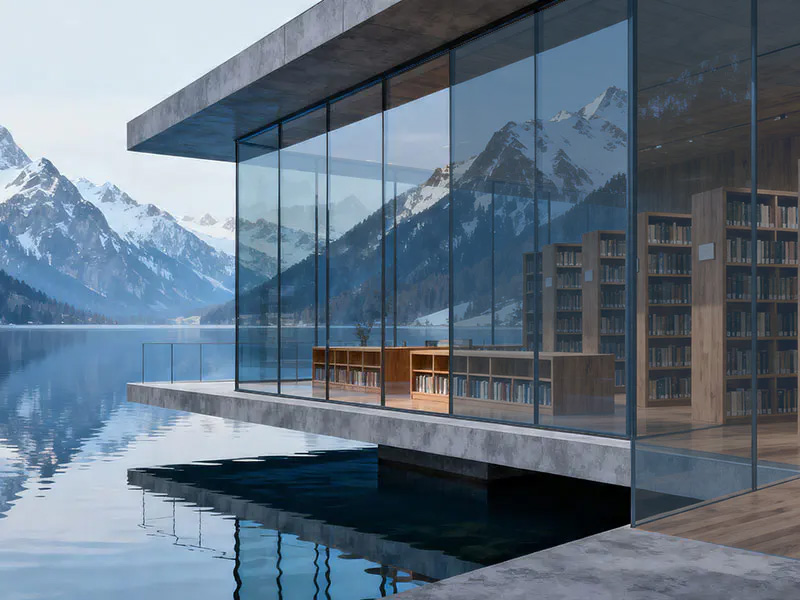 Architectural Window FilmAdvanced Solar Control Safety for Modern BuildingsView Product →
Furniture protection film applies the same logic at a smaller scale. On reception counters, tabletops, lift lobbies and shop fittings, a clear self-adhesive film acts as a sacrificial layer. It absorbs the scratches, marker stains and cleaning chemicals that would otherwise erode a lacquer or a powder coating, and it can be replaced without a spray booth or a shutdown of the space.
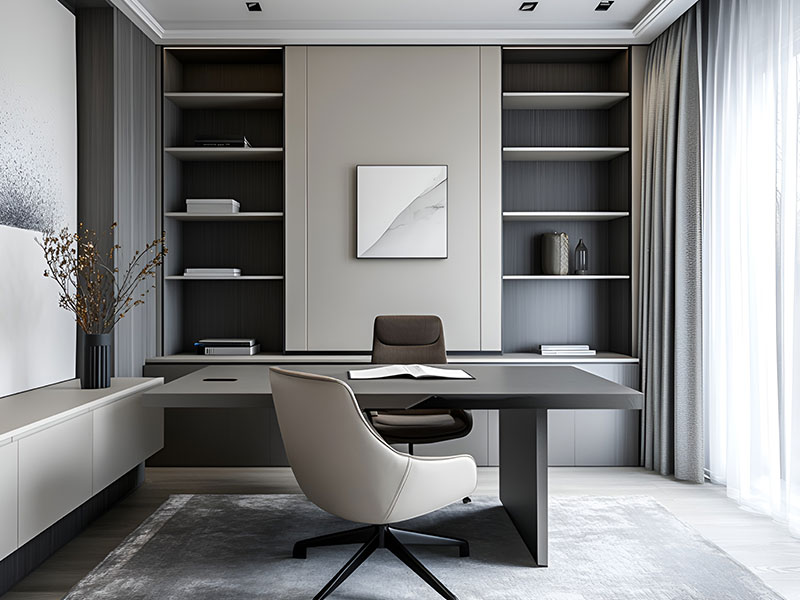 Furniture Protection FilmThe Invisible Shield for High-Value SurfacesView Product →
Where a surface has to keep its original finish and cannot be taken out of service, a removable protective film is usually the only realistic option.
Procurement, Submittals and Life-Cycle Cost
Ask for batch-linked test data rather than a brand story. A submittal pack that answers VOC content, adhesion, weathering and recoat windows will save more money than any pricing negotiation.
Define the substrate and the exposure
Concrete, render, timber and metal each change the primer choice and the preparation standard. Write the exposure class down before anyone looks at a colour card.
Fix the numbers, not the adjectives
Specify scrub cycles, VOC limit, adhesion grade and chalk resistance as measurable values with the test method attached to each one.
Request submittals with the batch number
VOC data reported to EPA Method 24, weathering data, cross-hatch adhesion data and a current safety data sheet, all tied to the batch that will ship.
Prove it on a mock-up, then plan the recoat
Two square metres on the real substrate, cured and inspected before the order is released. A repaint interval of 7 to 10 years over masonry and 5 to 7 years over timber trim is realistic only when preparation and drying time are funded.
Installed cost is dominated by labour. A typical water-based coating covers 350 to 400 square feet per gallon per coat, and labour and access usually account for two-thirds to four-fifths of the installed price. Moving from an economy grade to a specification grade often adds only a few percent to the total job while adding years to the recoat cycle, which is why the cheapest line item is rarely the cheapest decision. If you need comparable samples or batch documentation before a tender closes, send the substrate and exposure details through our contact page and we will match them to the right surface protection route.
On a repaint, material is roughly a fifth to a third of the installed cost. The expensive decision is not which paint, but how soon the next repaint happens.
Frequently Asked Questions About Architectural Paints and Coatings
Are architectural coatings the same as industrial coatings?
No. Architectural paints and coatings are applied on site to a building and its components, while industrial and OEM coatings are applied on a controlled factory line to manufactured goods. The two categories follow different VOC rules, different application standards and different warranty structures, so a product approved for one should not be assumed acceptable for the other.
How long should an exterior architectural coating last?
With correct preparation, a premium 100 percent acrylic system over sound masonry commonly holds 7 to 10 years, and over timber trim 5 to 7 years. Alkyd products and economy high-PVC finishes fall well short of that. Substrate moisture, coastal salt exposure and freeze-thaw cycling shorten every one of those numbers.
Do window films count as architectural coatings?
Not in the regulatory sense. Window films are factory-manufactured adhesive laminates installed on site on glazing rather than liquid-applied coatings, so VOC rules written for paints do not apply to them. In a specification they sit alongside coatings because they are tested against similar durability data: adhesion, UV stability and long-term optical performance.
What VOC limit should I specify for interior paint?
Specify the limit that applies where the building is, then verify it with a test report rather than a label. Flat interior wall coatings in many US ozone transport regions are capped at 50 g/L and non-flat finishes at 100 g/L, with results reported to EPA Method 24. Projects with green building certification targets usually specify well below the legal cap.
Specifications fail when they ask for a brand instead of a number.
Related products
-

-
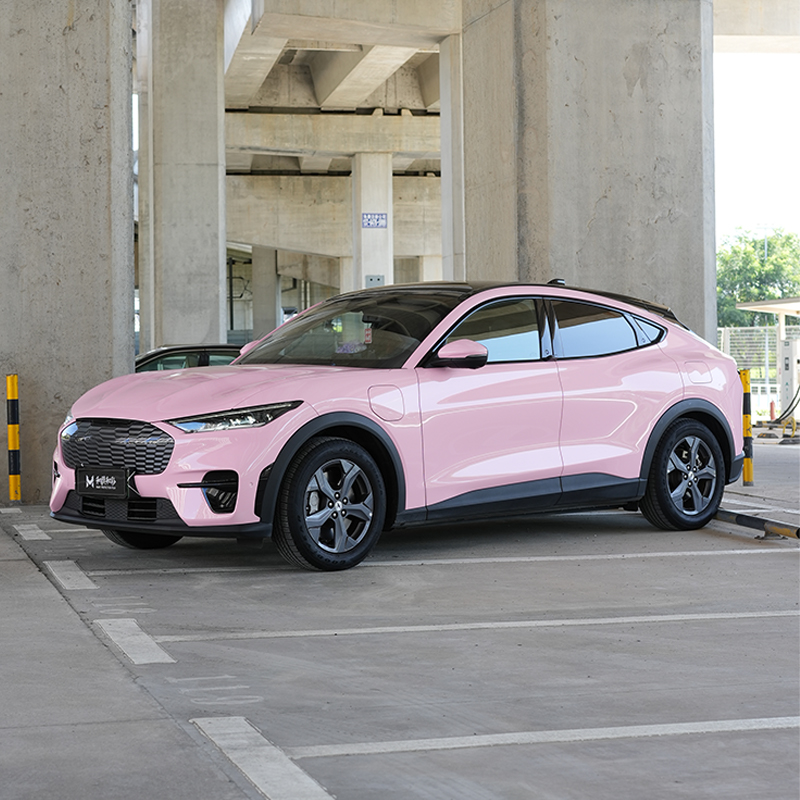
Lolita Pink Candy Crystal TPU Wrap Film is a celebration of sweetness, femininity, and playful luxury. Inspired by the delicate, candy-like aesthetics...
See Details -
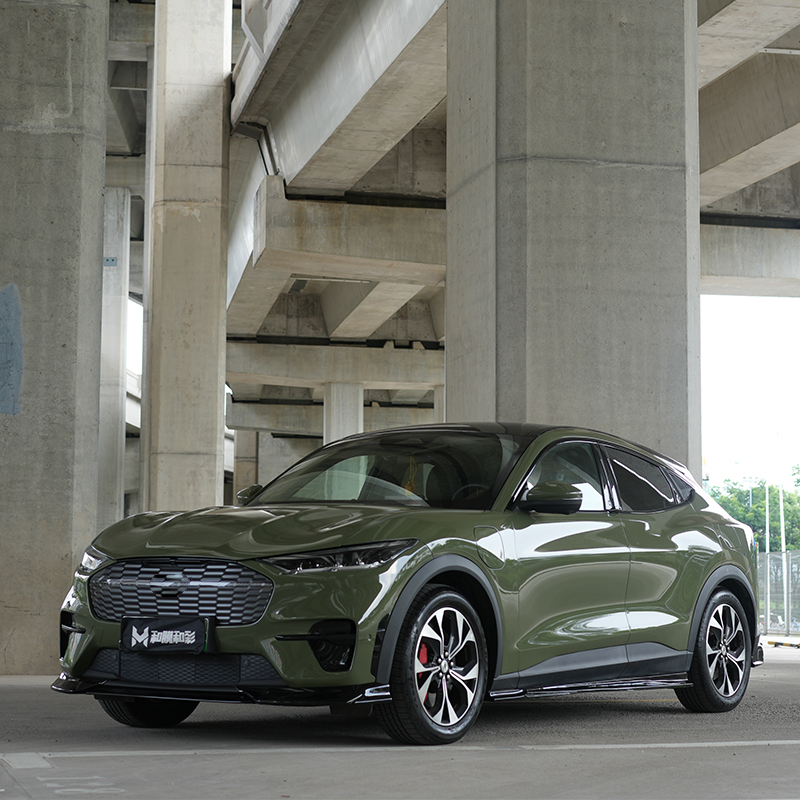
Foresland Army Green is a bold and commanding color change PPF that transforms your vehicle with the rugged, tactical aesthetic of military-grade gree...
See Details -
Kemora Grey Satin Crystal TPU Car Film offers a distinguished, European-inspired gray tone with a refined satin crystal finish that sits elegantly bet...
See Details
GET THE LATEST QUOTATIONS
-
 No. 5, Datang Road, East District, Development Zone, Guangde City, Xuancheng City, Anhui Province,242200, China
-
 [email protected]
-
 +86 18170340295
PRODUCTS
MOBILE WEB
Copyright Anhui He He New Materials Co., Ltd. All Rights Reserved.
 Wholesale TPU PPF Film Automotive TPU PPF Manufacturer