
 English
 русский
 Français
 Español
 Português
 Deutsch
 عربى
عربى
Advanced Solar Control & Safety for Modern Buildings
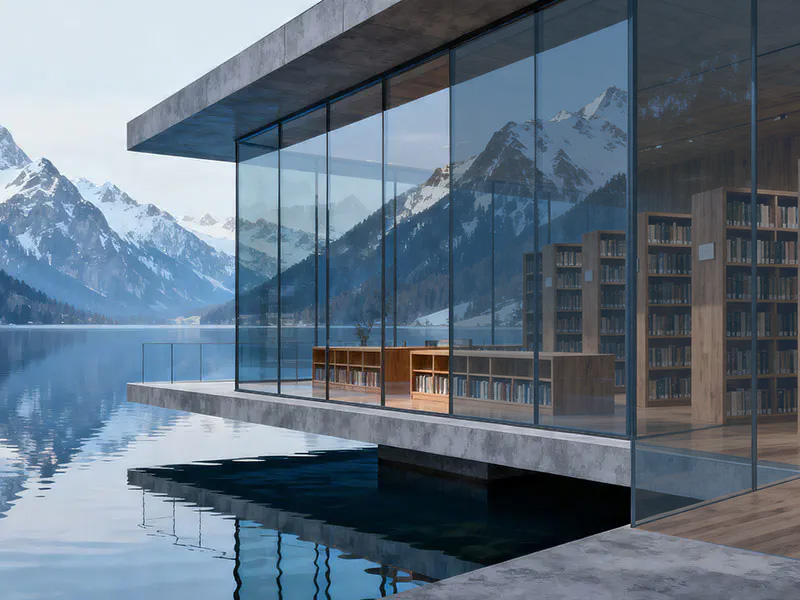
Our architectural films are engineered using state-of-the-art Magnetron Sputtering Technology to provide superior thermal insulation and safety without compromising the aesthetic of your windows. Whether...

-
-
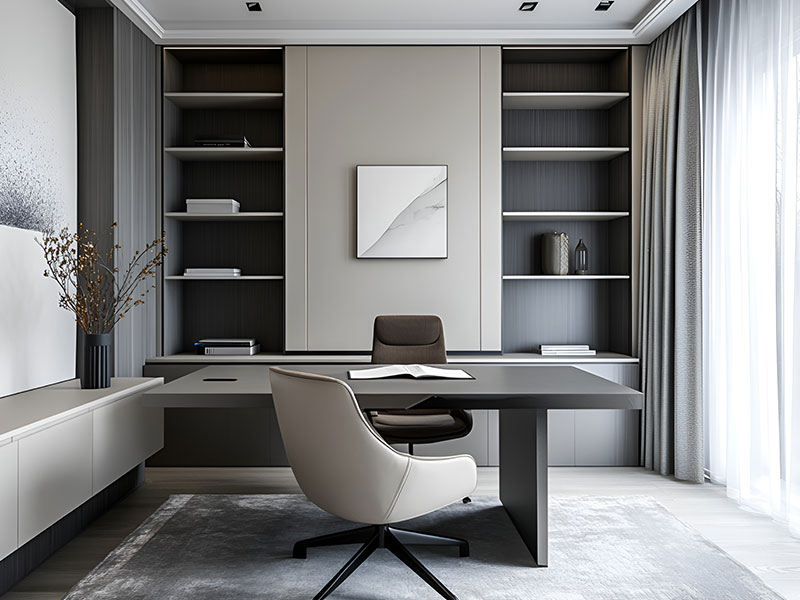 The Invisible Shield for High-Value Surfaces Preserve the original beauty of your premium furniture with our specialized Surface Protection Film. This high-performance material is designed to provide a crystal-clear, durable barrier for marble, wood, glass, an...
Architectural Film Manufacturers
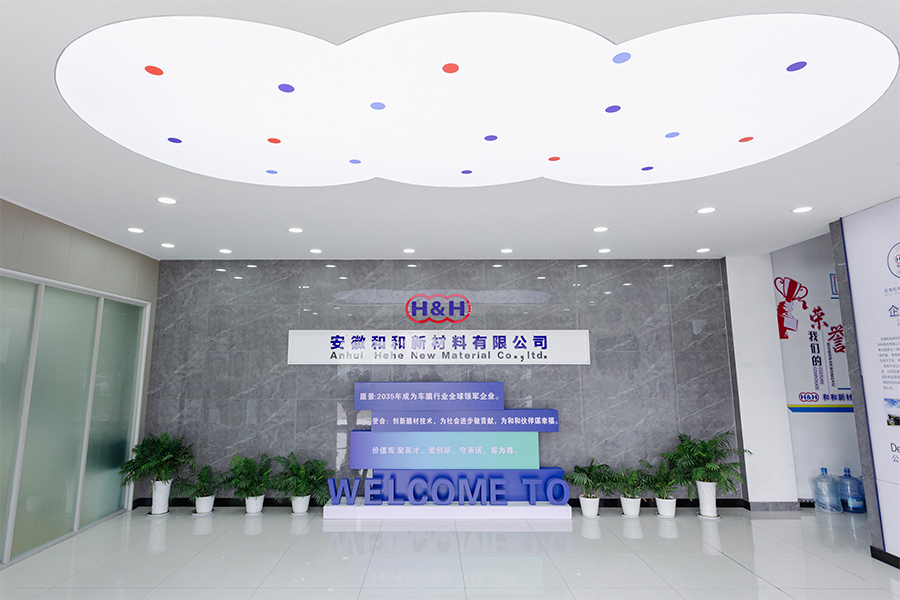
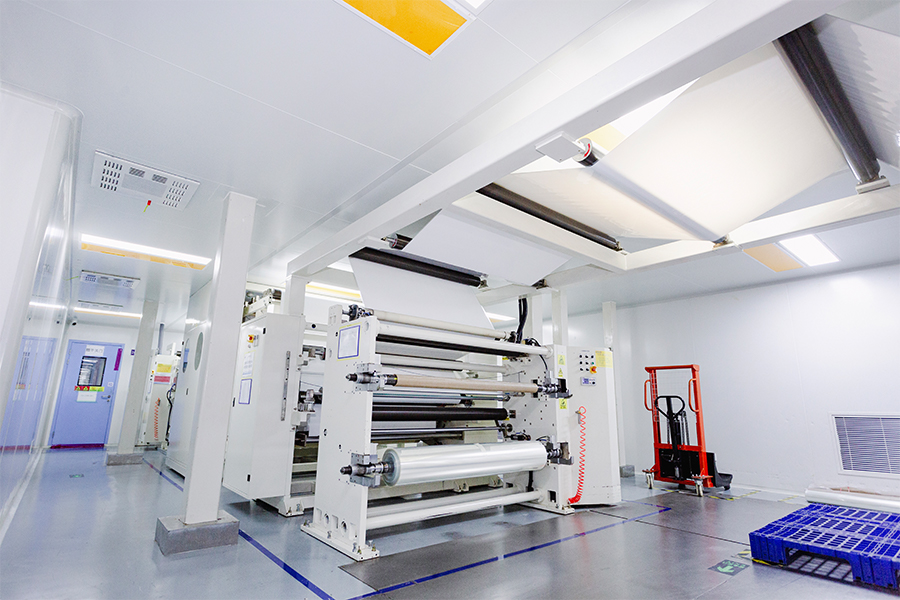
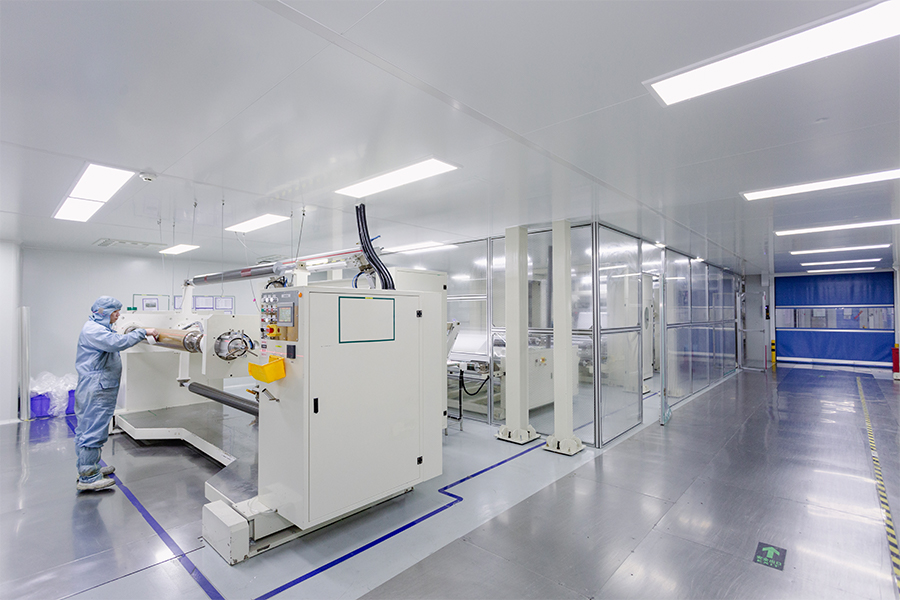
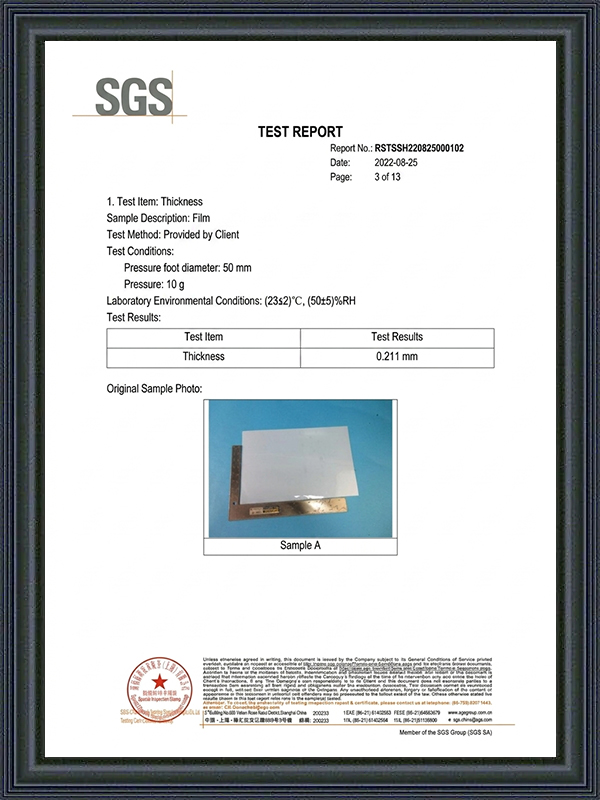
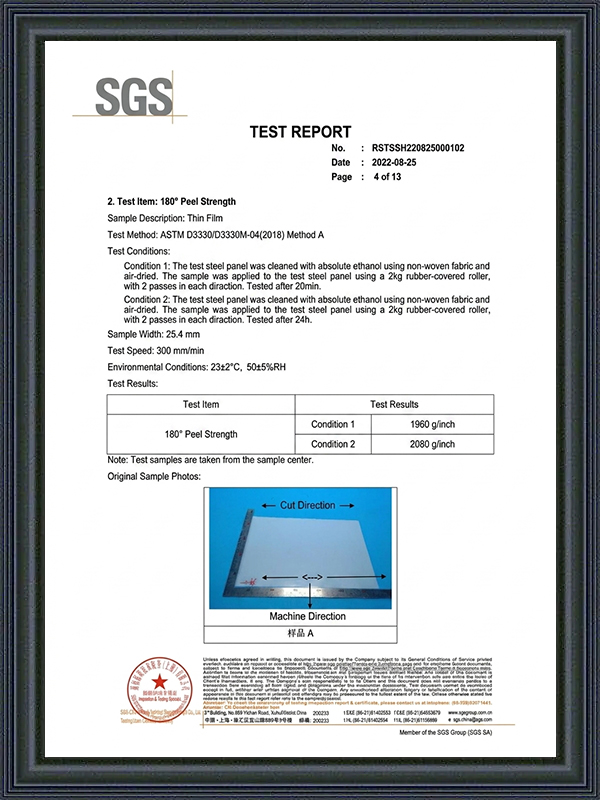
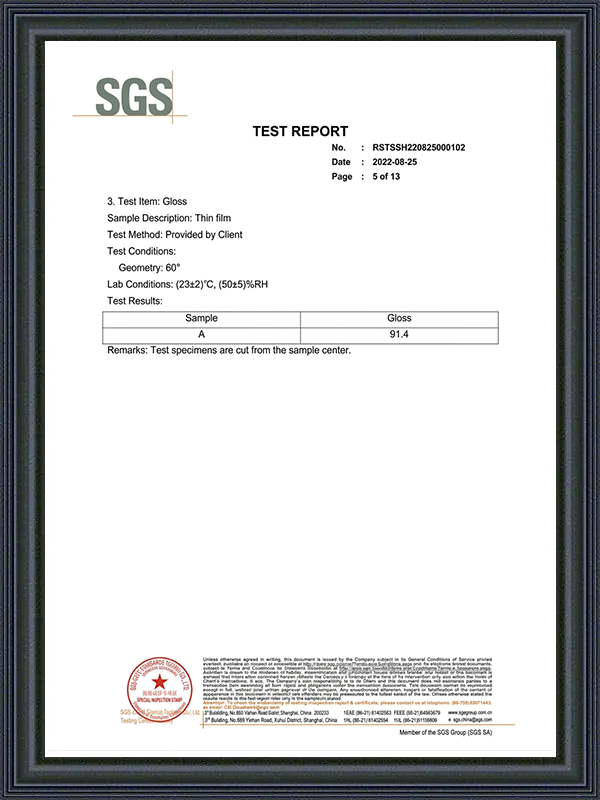
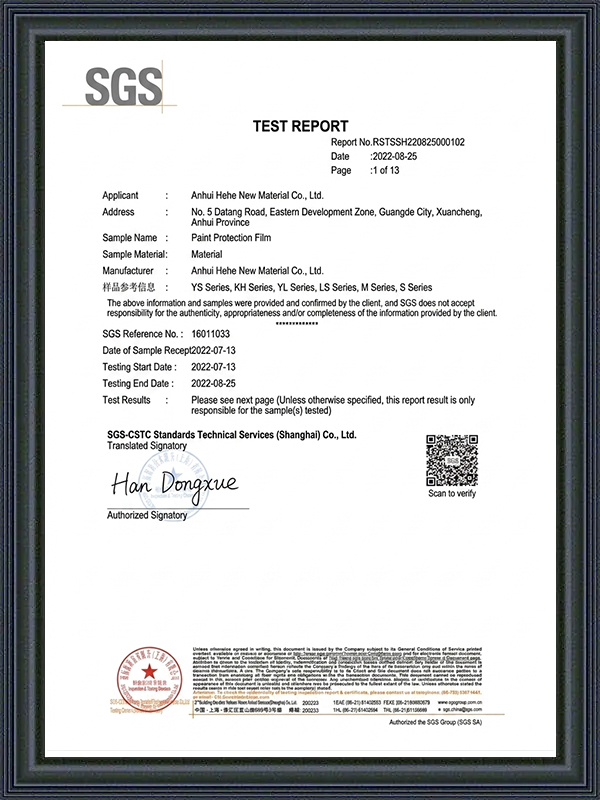
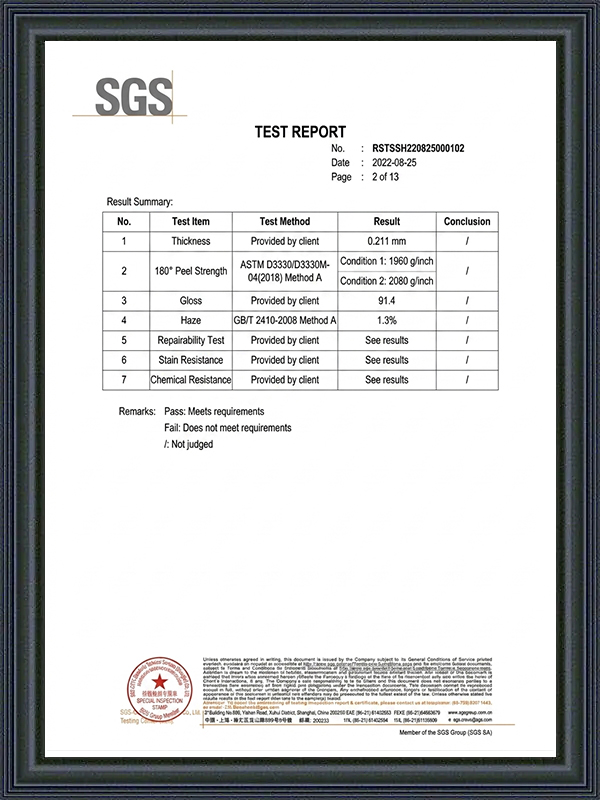
Anhui He He New Materials Co., Ltd. established in 2019, we are committed to developing a globally leading R&D and manufacturing platform for automotive films, providing cutting-edge film solutions for the automotive beauty, new energy battery, and 3C electronics industries. As China Architectural Film Manufacturers and Architectural Film Factory, HEHE are a direct manufacturer, a true full-industry-chain production factory. We have a complete in-house system covering specialty adhesive R&D, functional coating formulation, and precision coating production. Leveraging our full-industry-chain advantages, we offer not only contract manufacturing but also in-depth customization. Wholesale Architectural Film. We can tailor film thickness and coating performance to your brand requirements, helping you build differentiated brand competitiveness.
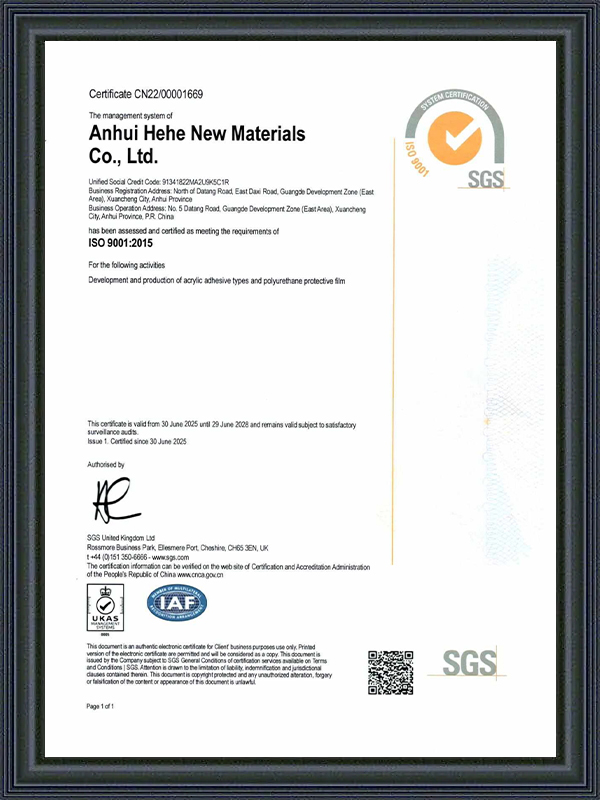
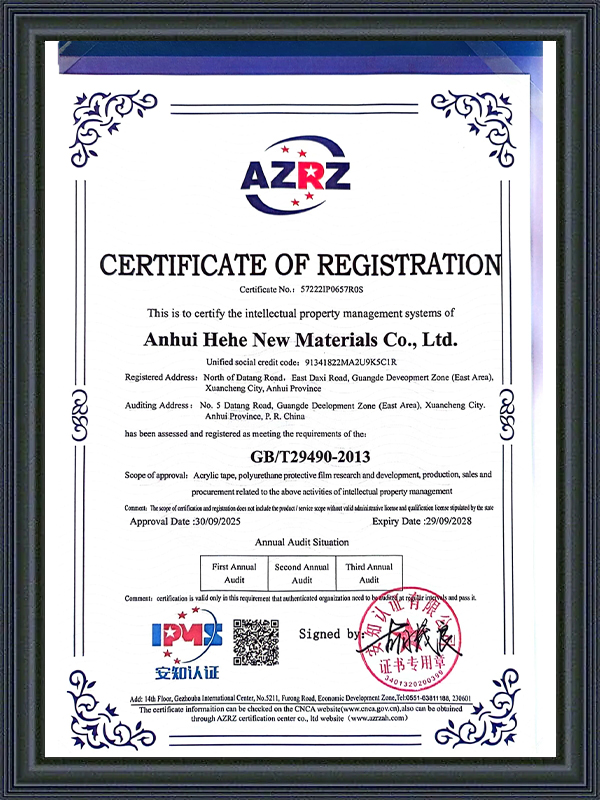
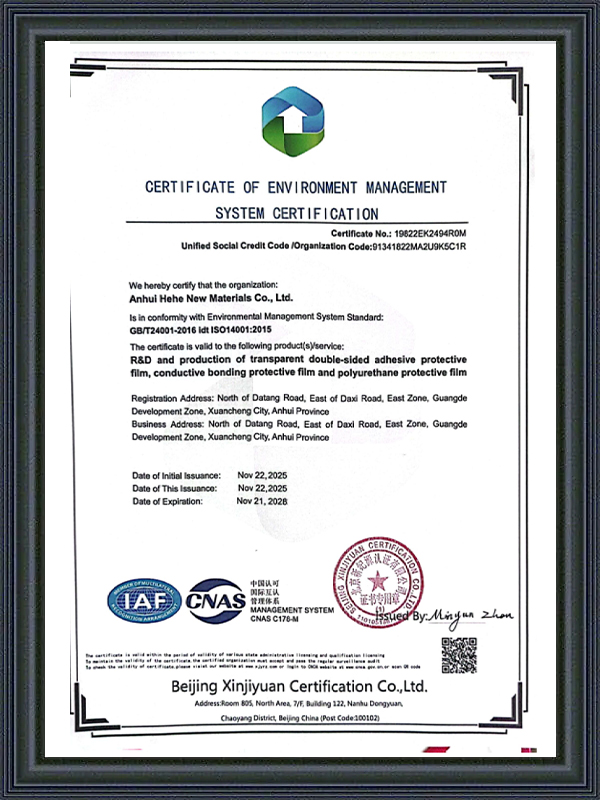
Quality Assurance
LEARN MORE
NEWS &
EXHIBITIONS

Industry Knowledge
Industry Knowledge
Thermal Dynamics and Energy Efficiency in Modern Architecture
The application of ARCHITECTURAL FILM has evolved from simple tinting to a sophisticated engineering solution for building envelope performance. High-performance window films utilize spectrally selective technology to reject infrared heat while maintaining high visible light transmission, directly impacting a building's energy consumption profile. In commercial skyscrapers with extensive glazing, solar heat gain can account for up to 30% of cooling loads. By installing advanced architectural films, facility managers can reduce HVAC energy usage by 15-25%, contributing significantly to LEED certification and operational cost savings. The film acts as a retrofit insulation layer, improving the U-value of existing glass without the prohibitive expense of window replacement.
- Rejects up to 99% of UV rays to prevent interior fading and material degradation.
- Reduces glare by 40-80%, enhancing visual comfort and productivity in office environments.
- Improves thermal uniformity across glass surfaces, reducing hot spots near windows.
- Provides immediate ROI through reduced peak demand charges and extended HVAC lifespan.
Safety, Security, and Blast Mitigation Standards
Beyond thermal control, ARCHITECTURAL FILM serves as a critical safety component in modern building codes. Safety and security films are engineered with thick, multi-layered polyester constructions and aggressive pressure-sensitive adhesives designed to hold shattered glass fragments together upon impact. This containment capability is essential for mitigating injuries from spontaneous glass breakage, severe weather events, or forced entry attempts. Many premium architectural films are tested to meet ANSI Z97.1, CPSC 16 CFR 1201, and even GSA blast mitigation standards. For buildings in hurricane-prone regions or high-security facilities, these films provide an additional layer of protection that complements structural glazing systems, often allowing older buildings to meet updated safety codes without complete fenestration replacement.
Material Innovation and Manufacturing Precision
The performance longevity of architectural film depends entirely on the quality of its base materials and coating precision. Unlike automotive applications where films face curved surfaces and shorter lifespans, architectural films must endure decades of flat-glass thermal stress and UV exposure without delamination or color shift. This requires aliphatic PET bases, stable nano-ceramic IR absorbers, and UV-resistant adhesives formulated specifically for static glass loads. Anhui He He New Materials Co., Ltd., established in 2019, leverages its expertise as a TPU Clear PPF Manufacturer and Wholesale Clear PPF Film Factory to bring this same level of material science to architectural applications. Their complete in-house system covering specialty adhesive R&D, functional coating formulation, and precision coating production ensures that every roll of film meets rigorous durability standards required for permanent building installations.
| Performance Metric | Standard Dyed Film | Spectrally Selective Nano-Ceramic |
|---|---|---|
| Total Solar Energy Rejected (TSER) | 30-45% | 50-70% |
| Visible Light Transmission (VLT) | Low (Dark Appearance) | High (Clear Appearance) |
| Signal Interference | None | None |
| Expected Lifespan | 3-5 Years | 15+ Years |
Customization Capabilities for Diverse Building Requirements
Every building presents unique challenges regarding orientation, glazing type, and aesthetic requirements. Off-the-shelf films often fail to address specific needs such as dual-reflectivity for historic preservation compliance or specialized adhesives for low-E glass compatibility. Anhui He He New Materials Co., Ltd. offers in-depth customization leveraging their full-industry-chain advantages. They can tailor film thickness, coating performance, adhesive chemistry, and optical properties to match exact project specifications. Whether developing a custom neutral tone for luxury residential towers or engineering a high-TSER film for data centers, HEHE helps brands and distributors build differentiated competitiveness. This capability extends beyond automotive beauty into architectural solutions, demonstrating their commitment to providing cutting-edge film solutions across multiple industries including new energy battery and 3C electronics sectors.
GET THE LATEST QUOTATIONS
-
 No. 5, Datang Road, East District, Development Zone, Guangde City, Xuancheng City, Anhui Province,242200, China
-
 [email protected]
-
 +86 18170340295
PRODUCTS
MOBILE WEB
Copyright Anhui He He New Materials Co., Ltd. All Rights Reserved.
 Wholesale Architectural Film Factory