
 English
 русский
 Français
 Español
 Português
 Deutsch
 عربى
عربى
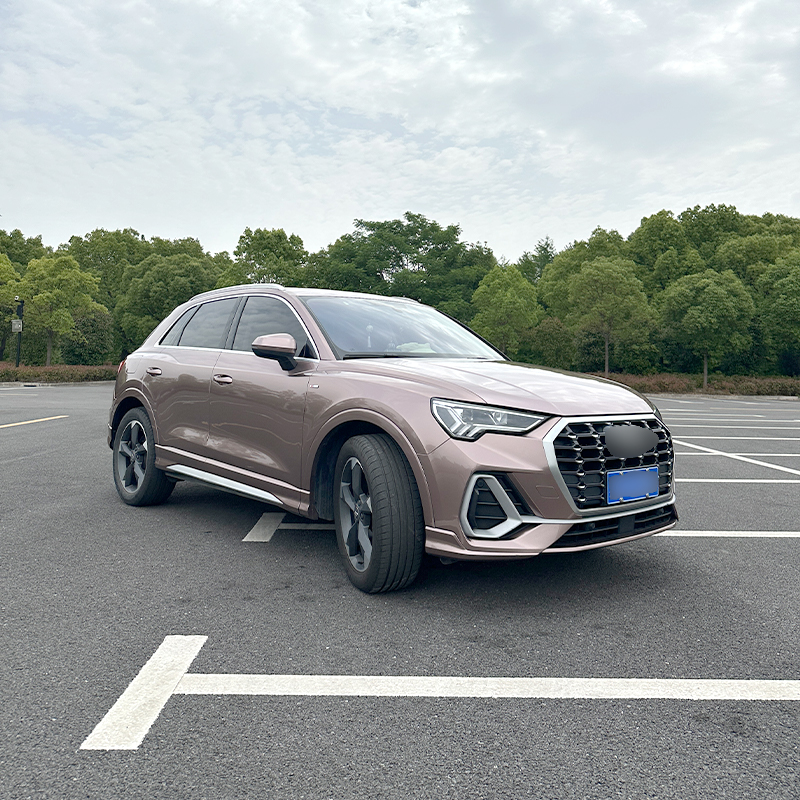
Dreamy Volcanic Ash is a dual-color chameleon TPU paint protection film offering a poetic, otherworldly color palette inspired by the soft grey-purple...
See Details
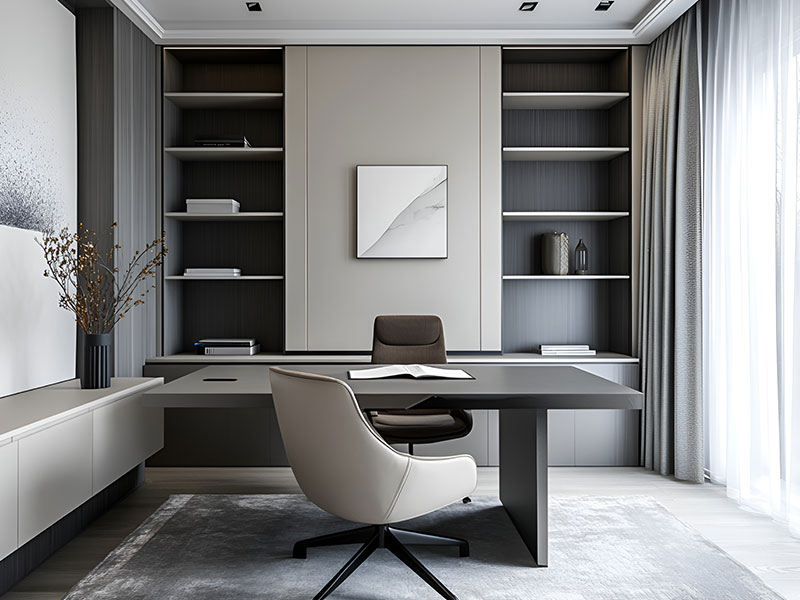
Furniture Protection Film
The Invisible Shield for High-Value Surfaces
Preserve the original beauty of your premium furniture with our specialized Surface Protection Film. This high-performance material is designed to provide a crystal-clear, durable barrier for marble, wood, glass, and polished metal surfaces.
Super Hydrophobic & Oil-Resistant: Features an advanced surface energy coating that repels water, oil, and food stains. Spills can be wiped away effortlessly without leaving ghosting or marks.
Antibacterial Properties: Engineered with an integrated antibacterial layer that inhibits the growth of germs and mold, making it ideal for dining tables, kitchen countertops, and high-touch areas.
Heavy-Duty Scratch Resistance: Provides a tough physical barrier against daily wear and tear, preventing scratches from cutlery, keys, or sliding objects.
High-Definition Clarity: The ultra-transparent finish enhances the natural grain of wood or the veining of marble, providing a "liquid gloss" look that is virtually invisible.
Heat Resistance: Protects delicate surfaces from heat marks caused by hot plates or coffee mugs.
Residue-Free Removal: Uses a specialized low-tack adhesive that stays secure for years but can be removed cleanly without damaging the underlying furniture finish.
Related products
-
-
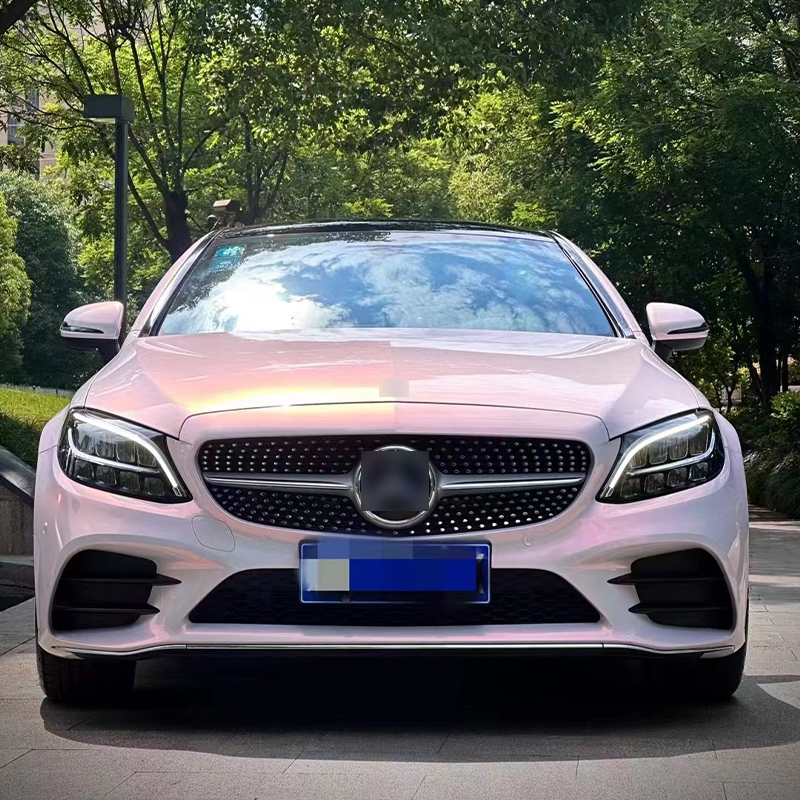
Charm every road with the delicate sweetness of the Ice Berry Pink TPU Color PPF — a soft, enchanting film that blends the icy freshness of glacial to...
See Details -
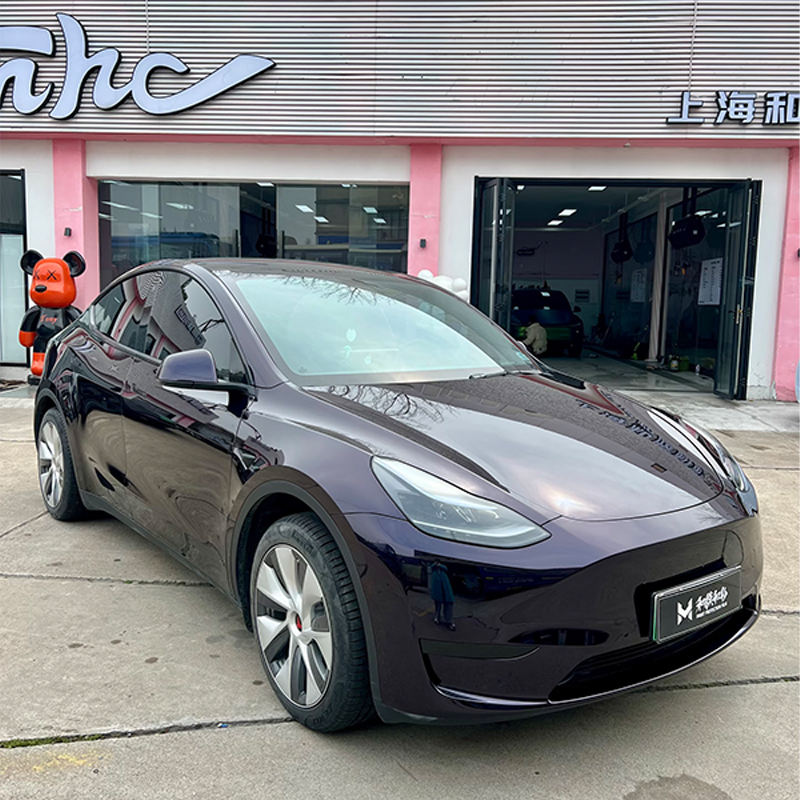
Step into mystery and allure with the Shadow Purple TPU Color PPF — a deeply seductive film that envelops your vehicle in a rich, dark purple infused ...
See Details -
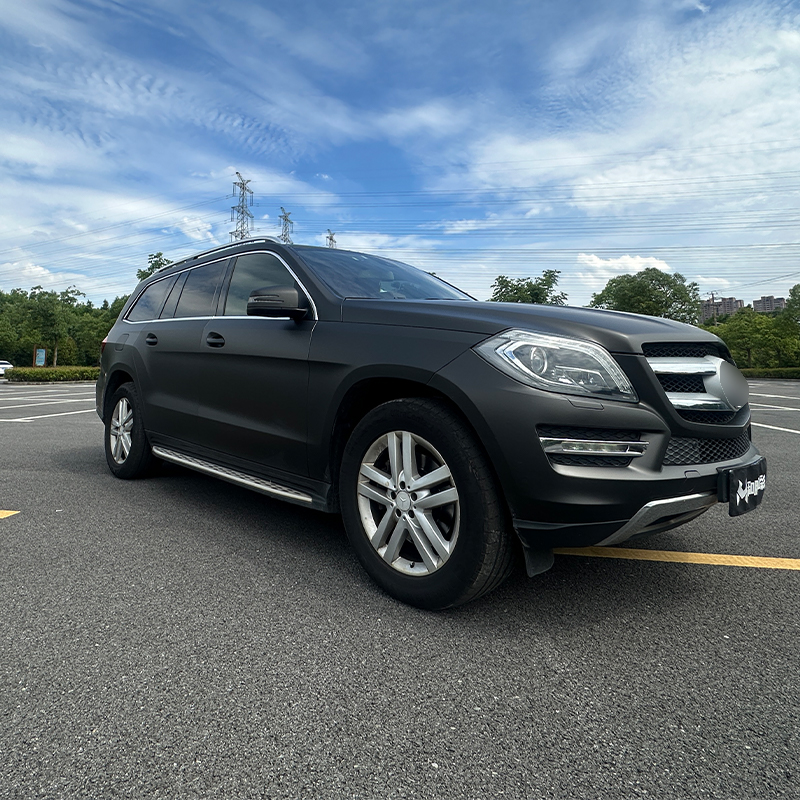
Define ultimate sophistication with the Black Matte TPU Color PPF — the purest, most essential expression of automotive minimalism available. This is ...
See Details -
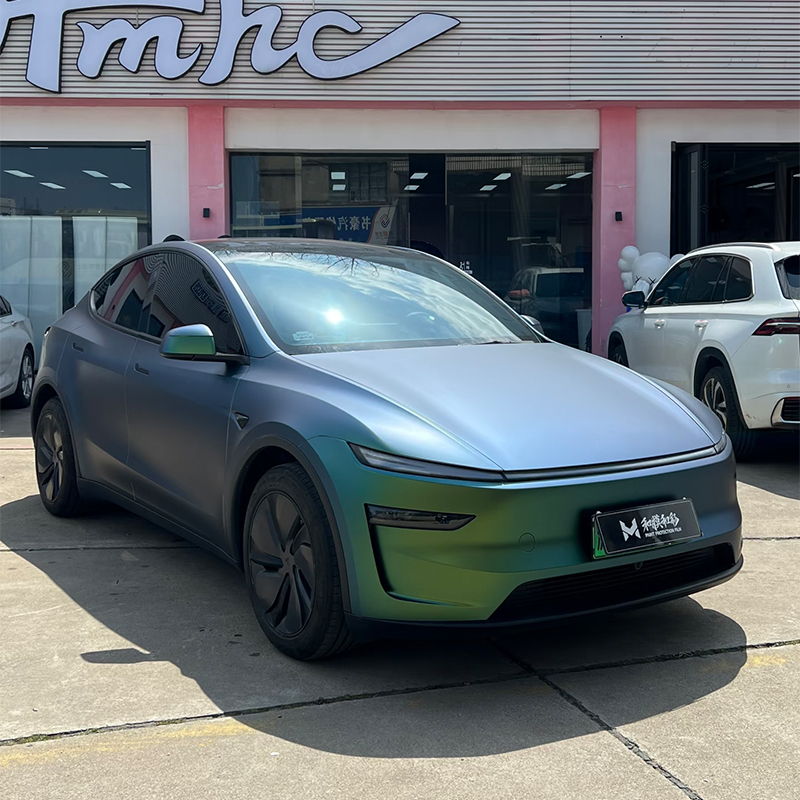
Immerse your vehicle in the atmospheric depth of the Matte Forest Shadow Green TPU Color PPF — an ultra-matte film that captures the mysterious, layer...
See Details -
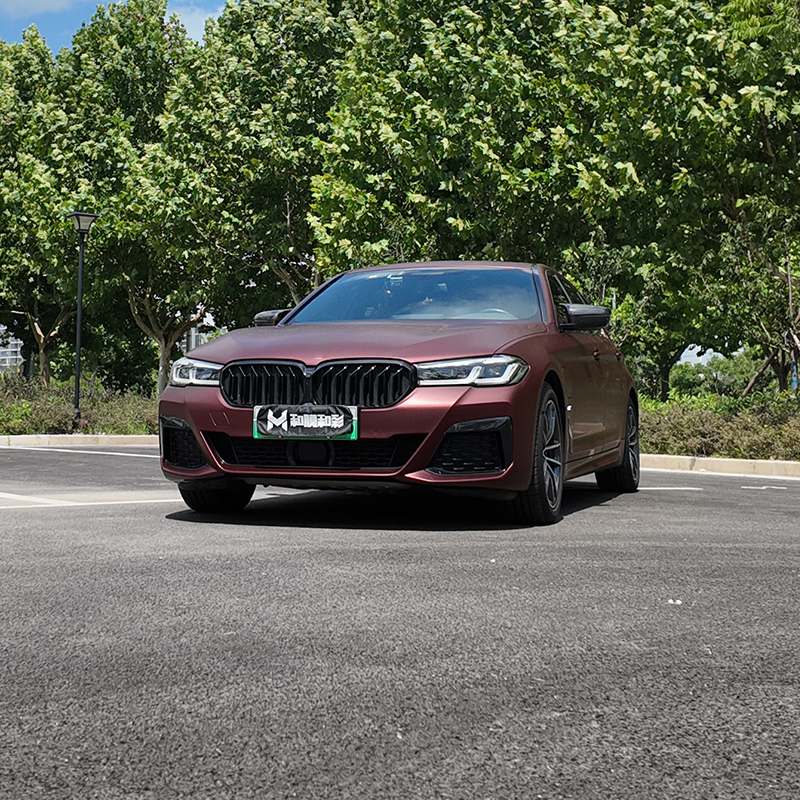
Experience the rare elegance of fine Burgundy wine in automotive form with the Matte Romanée Red TPU Color PPF — an ultra-matte film inspired by the l...
See Details
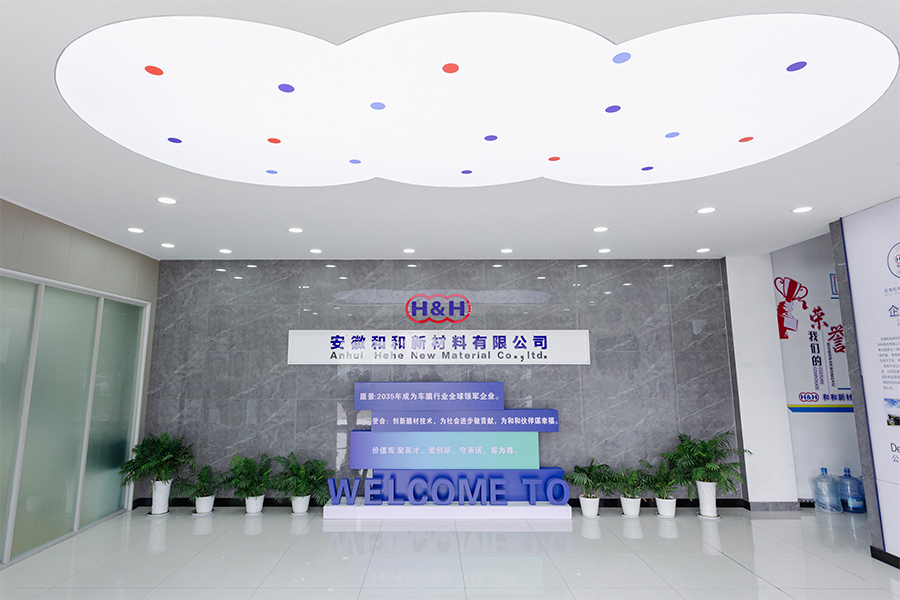
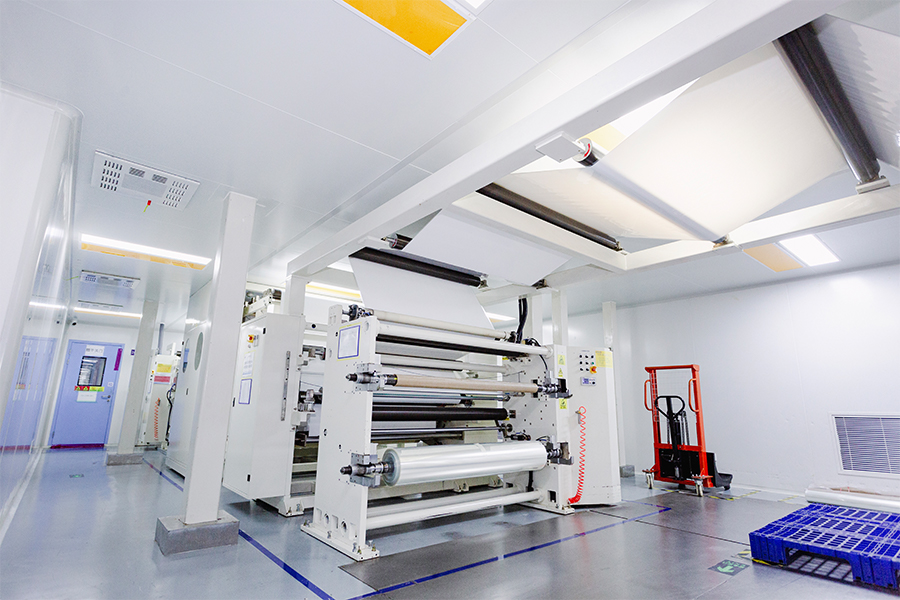
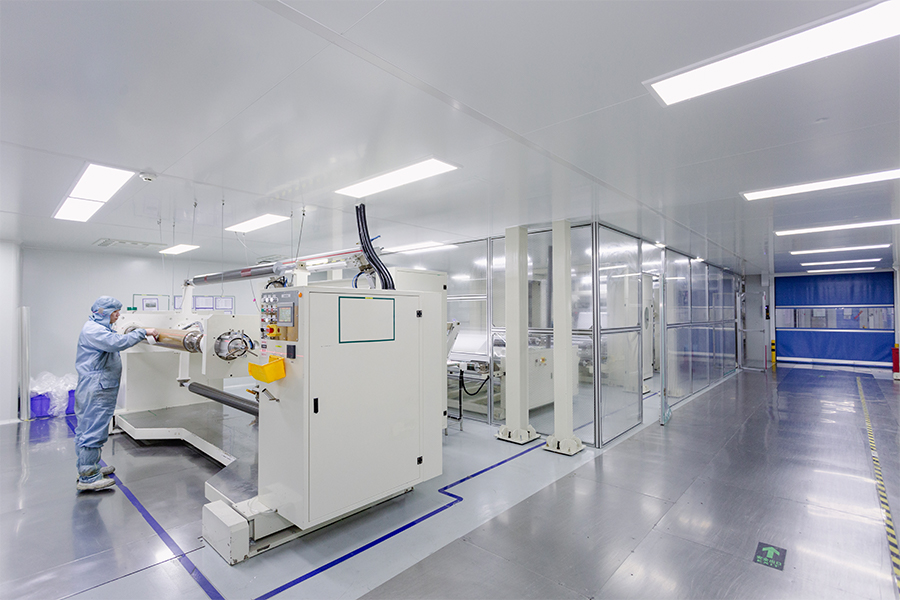
Vertically Integrated Automotive Film Solutions Partner
Anhui He He New Materials Co., Ltd. established in 2019, we are committed to developing a globally leading R&D and manufacturing platform for automotive films, providing cutting-edge film solutions for the automotive beauty, new energy battery, and 3C electronics industries. As Transparent Furniture Protective Film Manufacturers, HEHE are a direct manufacturer, a true full-industry-chain production factory. We have a complete in-house system covering specialty adhesive R&D, functional coating formulation, and precision coating production. Leveraging our full-industry-chain advantages, we offer not only contract manufacturing but also in-depth customization. Custom Protective Film For Marble Table. We can tailor film thickness and coating performance to your brand requirements, helping you build differentiated brand competitiveness.
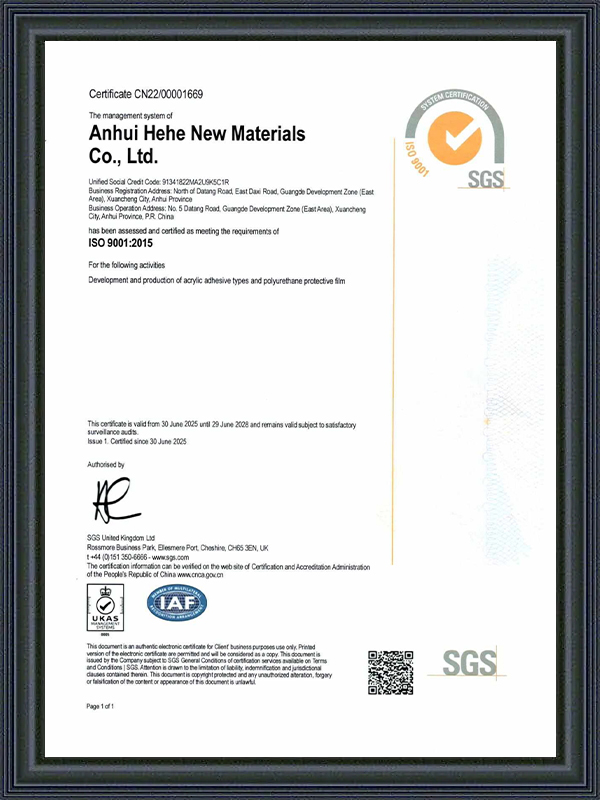
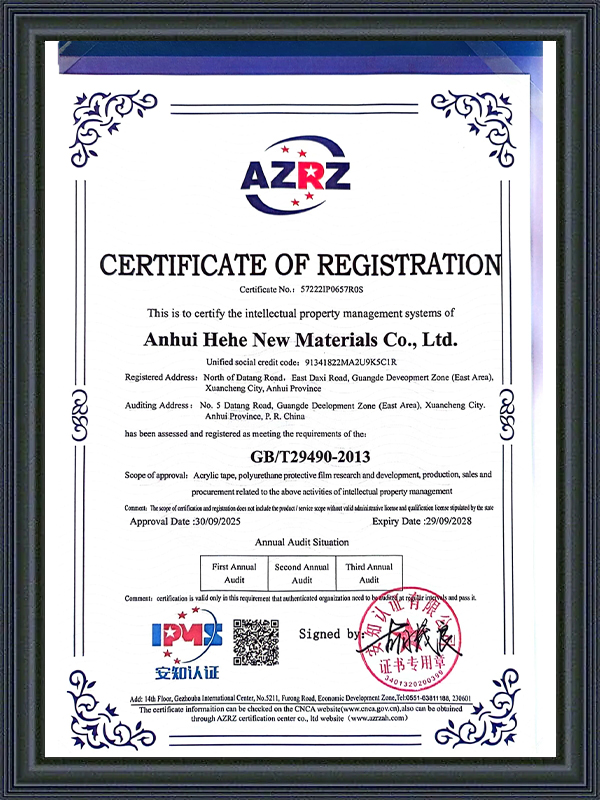
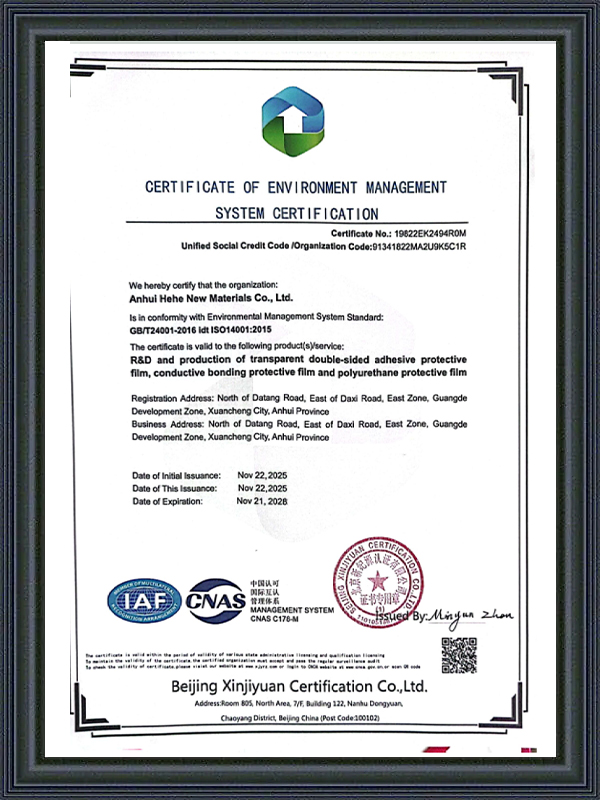
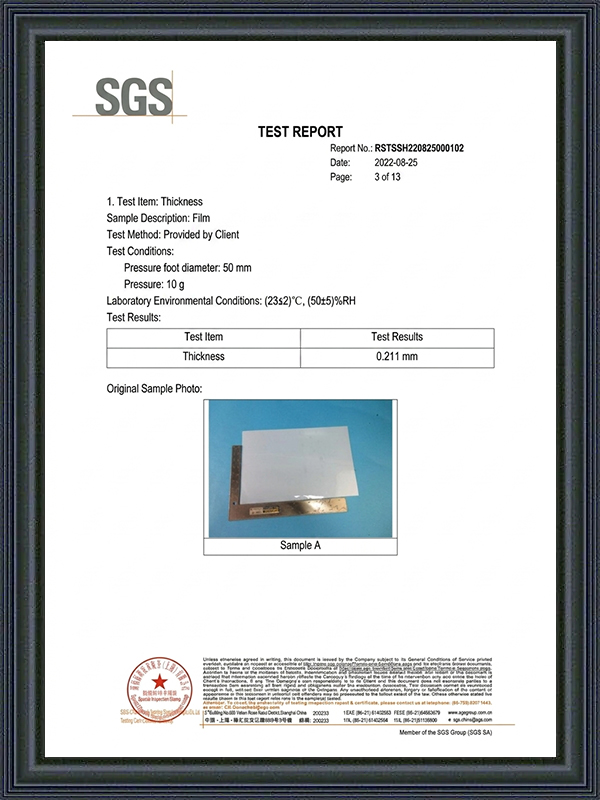
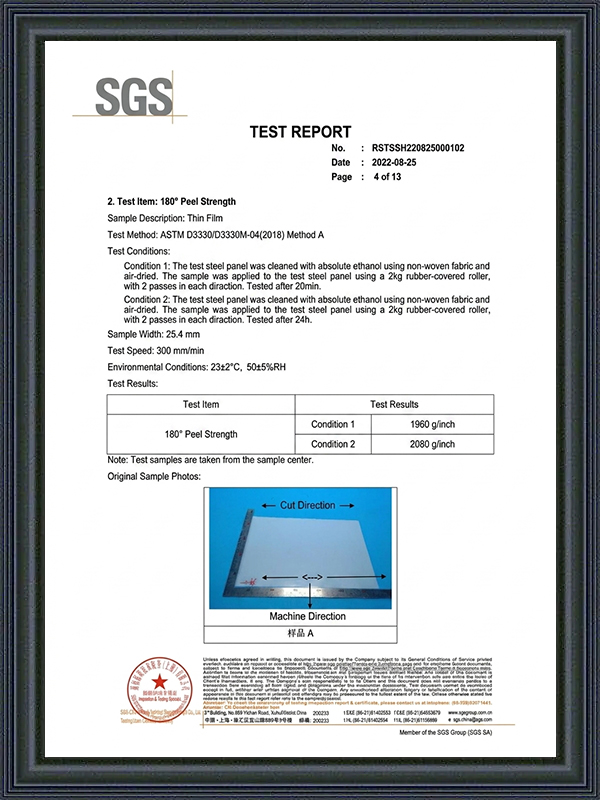
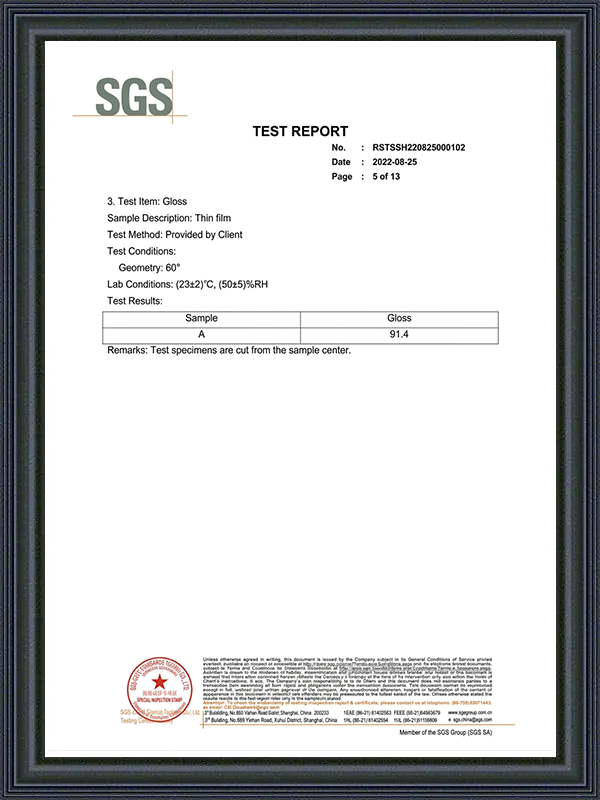
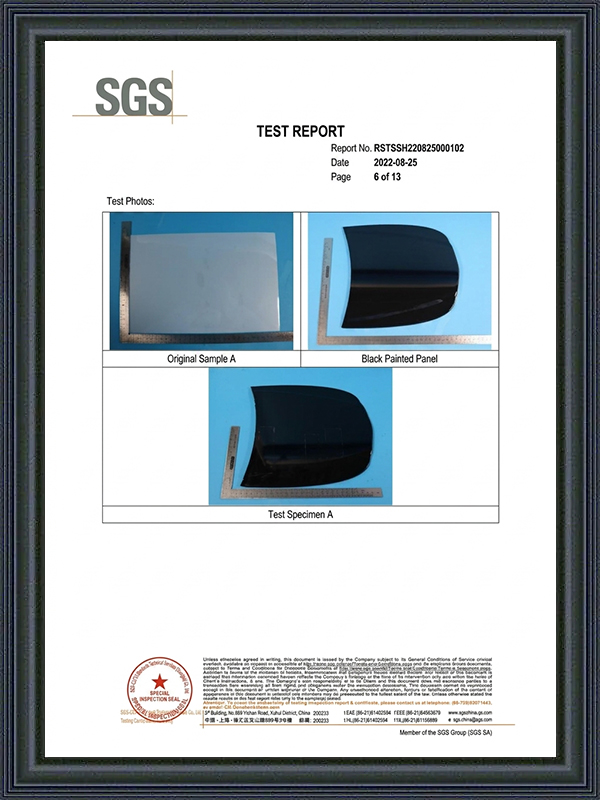
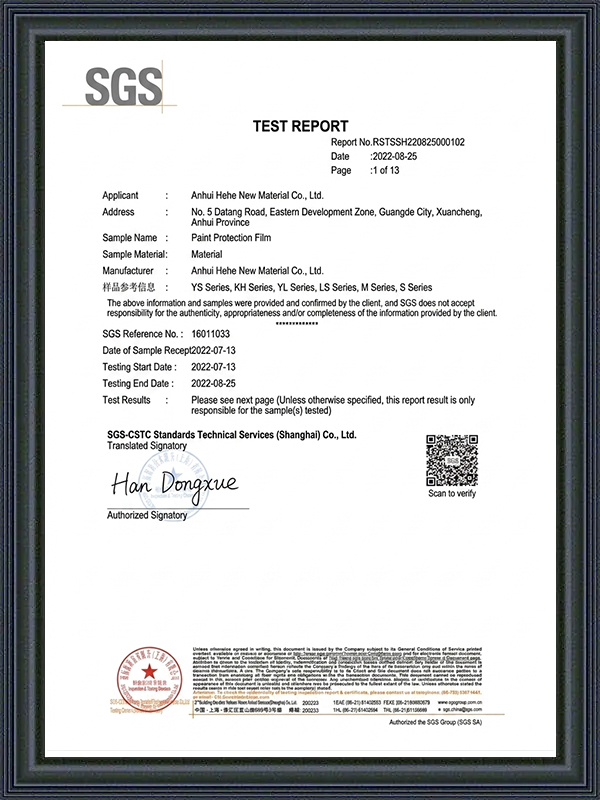
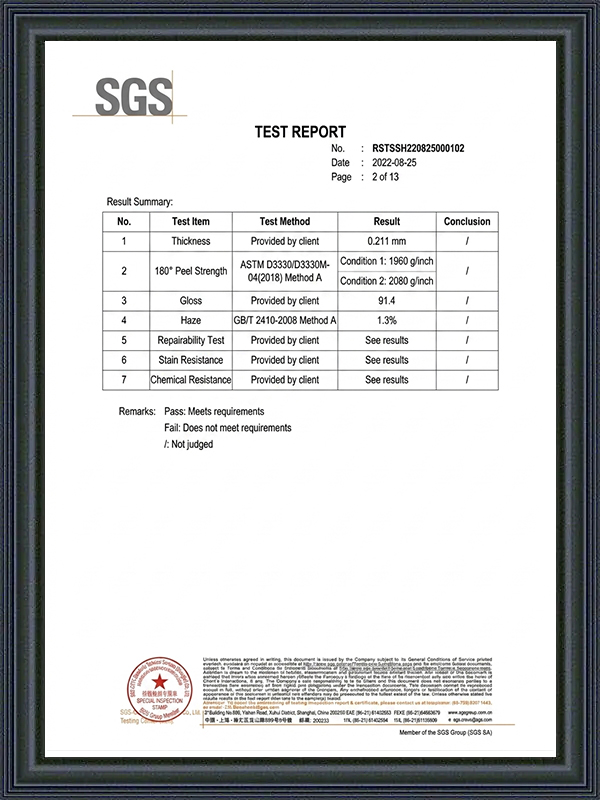
Quality Assurance
LEARN MORE
NEWS &
EXHIBITIONS

Industry Knowledge
Why Thickness Tolerance Decides Whether Your Protective Film Actually Protects
Not all Transparent Furniture Protective Film is created equal. A film advertised as 2 mil may vary in actual thickness across the roll by up to ±0.3 mil, creating thin spots that fail precisely where the table edge takes the most impact. At Anhui He He New Materials Co., Ltd., established in 2019, our precision coating production lines maintain thickness tolerance within ±2% across the full roll width. This matters most on glass and marble surfaces: a high point under a heavy vase can press through a thin gauge area and leave a permanent compression mark on the substrate. For our Custom Protective Film For Marble Table orders, we specify the minimum point thickness, not just the average, so every square centimeter provides uniform load distribution.
Gauge Band Control in Continuous Coating
During slot-die coating, a slight pump pulsation or tension drift can produce longitudinal bands of variant thickness. Our manufacturing platform for automotive films has transferred active closed-loop tension control into our furniture protection line. Laser micrometers map the web at 1,000 data points per second, feeding corrections back to the die lip actuators in real time. For a Kitchen Cabinet Protection Film, this eliminates the periodic thick-thin pattern that causes inconsistent peel force—the user notices it as spots where the film lifts by itself while other areas fight removal.
Adhesive Wet-Out and Why It Makes Glass Look Invisible
An inferior Glass Table Protection Film creates a hazy, silvery appearance because the adhesive layer never fully conforms to the glass surface at a microscopic level. Air pockets between adhesive and glass act as tiny lenses scattering light. We formulate our specialty adhesives in-house to achieve full wet-out within under 8 hours at 20°C. The secret is controlling the adhesive's room-temperature viscous flow modulus—it must be low enough to displace trapped air but high enough to prevent edge ooze. Our complete in-house system covering specialty adhesive R&D allows us to tune this balance specifically for the surface energy of soda-lime float glass versus low-iron starphire glass, which differ by several dynes per centimeter.
Surface Energy Matching Without Primer
Many manufacturers add a tackifying primer that eventually migrates and etches the glass. Anhui He He New Materials Co., Ltd. avoids this entirely. By leveraging our functional coating formulation capabilities, we engineer the adhesive polymer backbone with controlled polar monomer content. This creates intrinsic surface energy alignment with high-energy substrates like glass and polished marble—no migrating plasticizers, no ghosting after removal even at the three-year mark.
The Marble Problem: Acid Resistance in Protective Film Adhesives
Marble is calcium carbonate. Even a trace of acidic residue in a Protective Film For Marble Table will etch the surface into dullness under the film, invisible until removal day. The danger comes from the polymerization process—many acrylic adhesives leave behind acrylic acid monomer residuals at 0.3% or higher. On black or dark polished marble, this is catastrophic. Our in-house adhesive synthesis for Custom Protective Film For Marble Table keeps free monomer residuals below 0.05%. We then verify every batch through gas chromatography before the adhesive ever enters the coating line. As Transparent Furniture Protective Film Manufacturers, we consider this material compatibility testing mandatory, not optional.
| Glass | Silicate haze from alkaline plasticizer migration |
| Marble | Acid monomer etching calcium carbonate |
| Lacquered Wood | Plasticizer-induced softening of the clear coat |
Shelf Life and the Slow Chemistry of Release Liners
A Kitchen Cabinet Protection Film stored in a hot warehouse for six months can become completely unusable even if it never left its carton. The failure mode is release liner transfer—silicone from the coated liner migrates into the adhesive, killing the tack. Anhui He He New Materials Co., Ltd. uses electron-beam-cured silicone release technology on our liners. Unlike thermal-cure silicones that can leave uncrosslinked siloxane oils, EB curing achieves near-100% crosslink density. We validate this with peel-force aging tests at 50°C for 90 days before qualifying any liner-adhesive pairing for full-chain production. This kind of upstream material control comes directly from our foundation as a globally leading R&D and manufacturing platform for automotive films, where 10-year durability requirements are standard.
- EB-cured silicone liner eliminates silicone transfer over an 18-month shelf life.
- Adhesive stabilizer packages prevent ambering under UV exposure through kitchen windows.
- Film core layer contains no recycled regrind that causes gel specks and premature UV embrittlement.
How PET vs. TPU Substrates Dictate Long-Term Furniture Protection Strategy
Most Transparent Furniture Protective Film on the market uses biaxially-oriented PET for its clarity and cost. PET is excellent for flat surfaces like a Glass Table Protection Film application where dimensional stability matters—it will not shrink, curl, or creep under heat up to 90°C. However, for a Protective Film For Marble Table with a profiled edge or an eased bevel, PET's rigidity leaves a stress gap at the curve that collects dust and catches on cleaning cloths. We offer TPU-based alternatives from our thermoplastic polyurethane extrusion capability. TPU films conform to a 5mm radius without lifting, and when you need Custom Protective Film For Marble Table that wraps down over the edge to protect against chair arm impacts, only an elastomeric substrate works. As a true full-industry-chain production factory, we can tailor film thickness and coating performance across both substrate chemistries under one roof.
Edge Conformability and the Spring-Back Effect
The spring-back force at a 90-degree corner is proportional to the film's flexural modulus. PET at 2 mil exerts roughly four times the lifting force of a thermoplastic polyurethane film of the same thickness. For Kitchen Cabinet Protection Film applied to shaker-style door frames, this determines whether the film holds through seasonal humidity swings. Our functional coating formulation team can also supply a graduated adhesive profile—slightly higher tack at the edges to counter spring-back, uniform lower tack in the field for clean removability.
Why "Invisible" Requires Managing Refractive Index, Not Just Clarity
Total light transmission above 90% is a minimum spec, not a differentiator. The actual visibility of a Transparent Furniture Protective Film once applied to a kitchen cabinet comes down to haze below 1.5% and the elimination of the adhesive-air interface's refractive boundary. The adhesive must match the refractive index of the film substrate to within 0.02 units, otherwise every tiny surface scratch on the film becomes a bright line. Anhui He He New Materials Co., Ltd. couples the adhesive refractive index to our PET base film during formulation. We measure this directly on a refractometer at 589nm, not just calculate it, because the real crosslinked adhesive often diverges from the theoretical liquid prepolymer value. For Glass Table Protection Film, this optical matching makes the edge of the film essentially imperceptible—guests set drinks on a table they do not realize is protected.
Partnering with Anhui He He New Materials Co., Ltd. as Transparent Furniture Protective Film Manufacturers
We are committed to developing a globally leading R&D and manufacturing platform for automotive films, providing cutting-edge film solutions for the automotive beauty, new energy battery, and 3C electronics industries. This cross-sector expertise directly benefits our furniture protection clients. The same barrier coating technology that protects a battery separator from electrolyte creep also stops olive oil from penetrating a Kitchen Cabinet Protection Film. The same low-outgassing adhesive designed for touchscreen lamination also leaves zero residue on a marble pastry counter. When you work with us, you access a complete in-house system covering specialty adhesive R&D, functional coating formulation, and precision coating production—not a converter buying stock rolls and adding a logo. We offer in-depth customization on thickness, clarity, adhesion, liner type, and roll width to help you build differentiated brand competitiveness in your market.
GET THE LATEST QUOTATIONS
-
 No. 5, Datang Road, East District, Development Zone, Guangde City, Xuancheng City, Anhui Province,242200, China
-
 [email protected]
-
 +86 18170340295
PRODUCTS
MOBILE WEB
Copyright Anhui He He New Materials Co., Ltd. All Rights Reserved.
