
 English
 русский
 Français
 Español
 Português
 Deutsch
 عربى
عربى
Command respect and admiration with the Metallic Gun Gray TPU Color PPF — an authoritative film that encases your vehicle in a deep, steely gray with ...
See Details
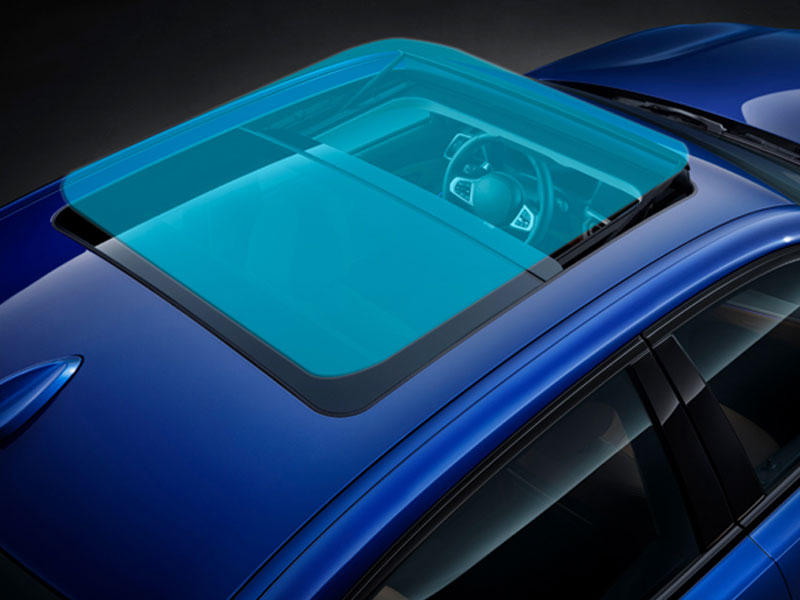
Sunroof Film
Our Sky Glacier Blue TPU Sunroof Film is a high-performance protection layer specifically engineered for automotive sunroofs and panoramic roofs. It combines advanced solar control technology with the rugged durability of Paint Protection Film (PPF) to transform the driving experience.
Key Benefits
Extreme Heat Rejection: With 90% Infrared (IR) rejection, this film significantly lowers the cabin temperature, reducing the load on the air conditioning and improving energy efficiency.
Stunning Glacier Aesthetics: The subtle Sky Glacier Blue tint provides a high-end, crystal-clear look that mimics the natural sky while maintaining 83% light transmission for a bright, airy interior.
Superior Safety & Explosion-Proofing: At 7.0 mil thickness, this high-density TPU layer adds a massive level of impact resistance to the glass, preventing shattering and protecting passengers from road debris or falling objects.
Self-Healing & Scratch Resistance: Equipped with a premium topcoat that automatically heals minor surface scratches and swirl marks, ensuring the sunroof remains flawless.
Advanced UV Shielding: Blocks 98%–99% of harmful UV rays, protecting skin and preventing interior upholstery from fading or cracking.
Hydrophobic & Weatherproof: The ultra-hydrophobic surface repels water and dirt, making the sunroof easier to clean and resistant to yellowing even under long-term sun exposure.
Related products
-
-
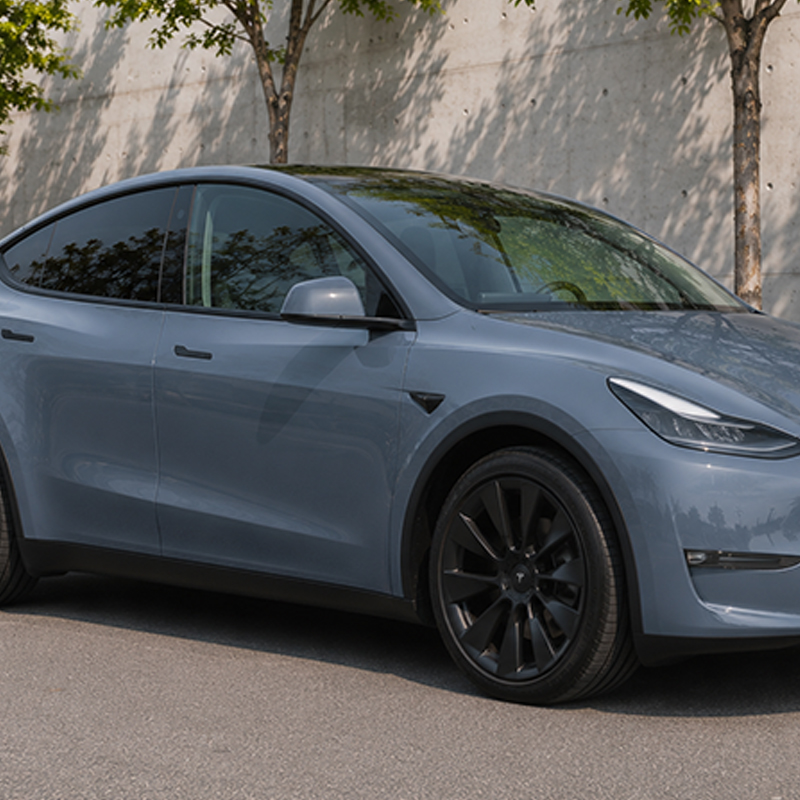
Kemora Grey Satin Crystal TPU Car Film offers a distinguished, European-inspired gray tone with a refined satin crystal finish that sits elegantly bet...
See Details -
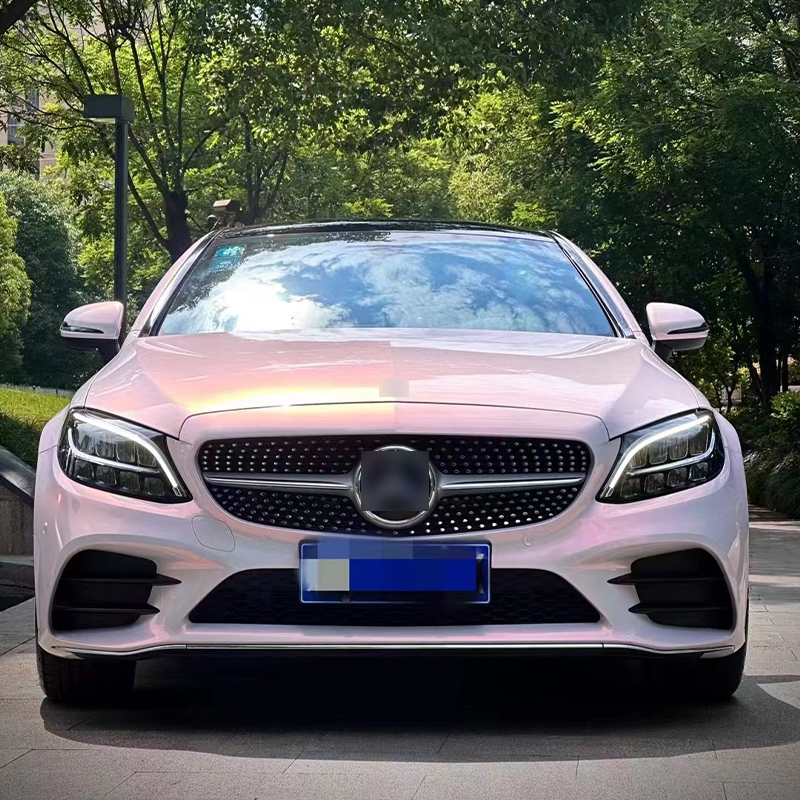
Dreamy Volcanic Ash is a dual-color chameleon TPU paint protection film offering a poetic, otherworldly color palette inspired by the soft grey-purple...
See Details -
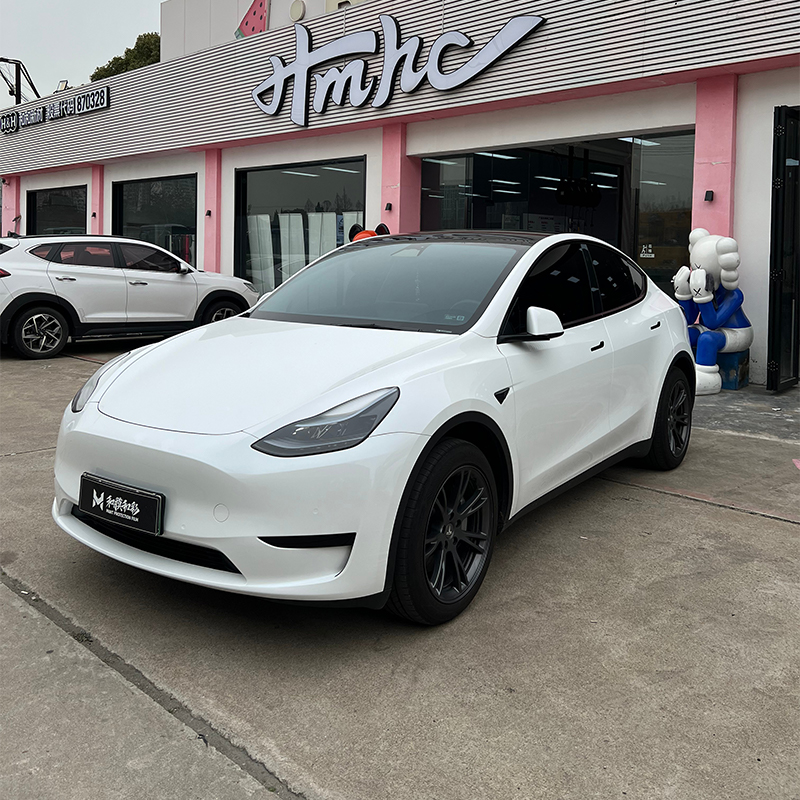
Iridescent Blue Diamond White is a dual-color chameleon TPU paint protection film that combines the sparkling, multi-faceted brilliance of blue diamon...
See Details -
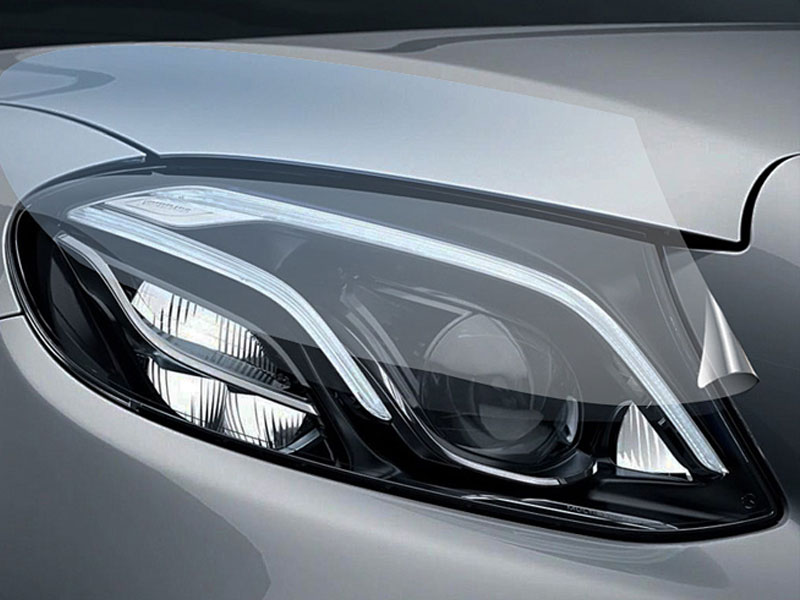
Aggressive Style. Invisible Protection. Uncompromised Safety. Our TPU Headlight Film is the ultimate solution for enthusiasts looking to enhance their...
See Details -

Advanced Solar Control & Safety for Modern Buildings Our architectural films are engineered using state-of-the-art Magnetron Sputtering Technology...
See Details
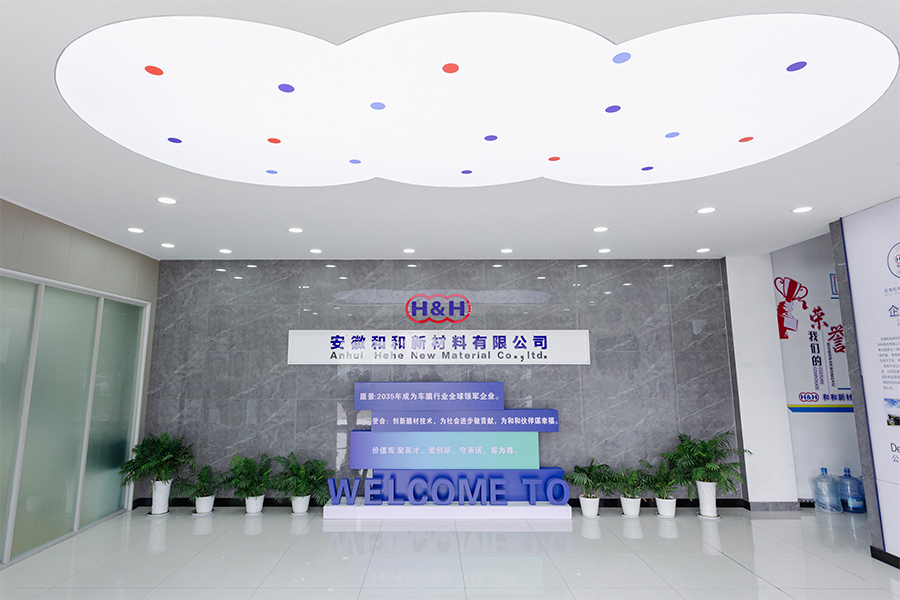
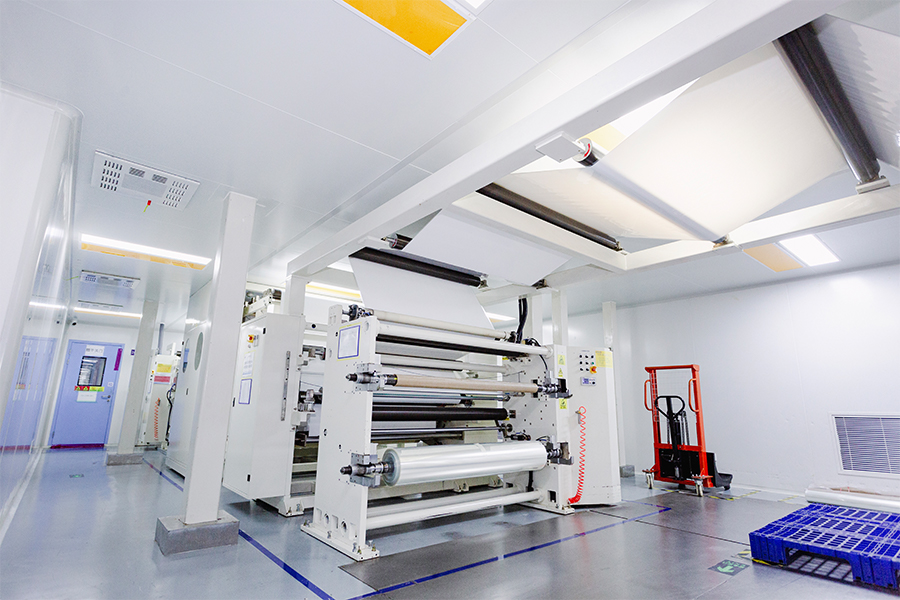
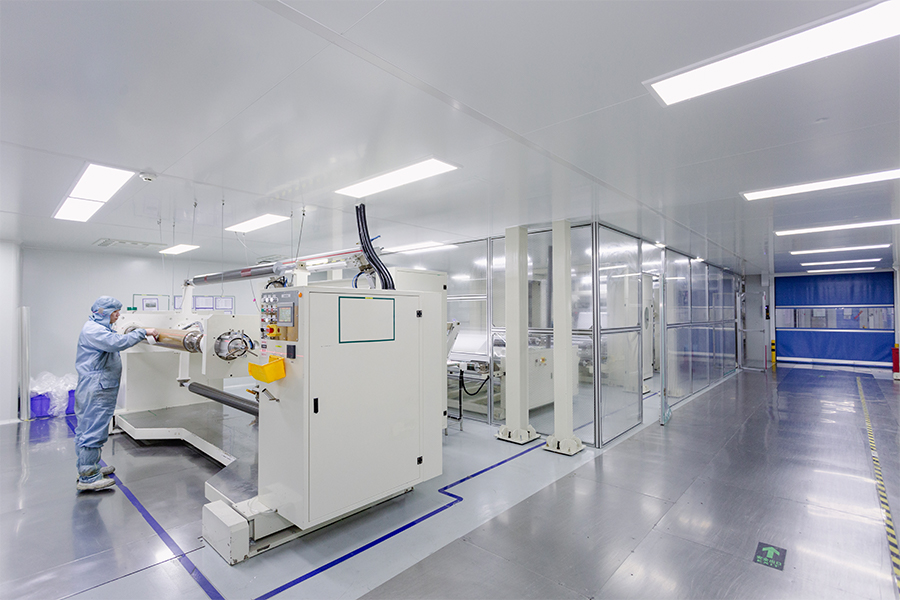
Vertically Integrated Automotive Film Solutions Partner
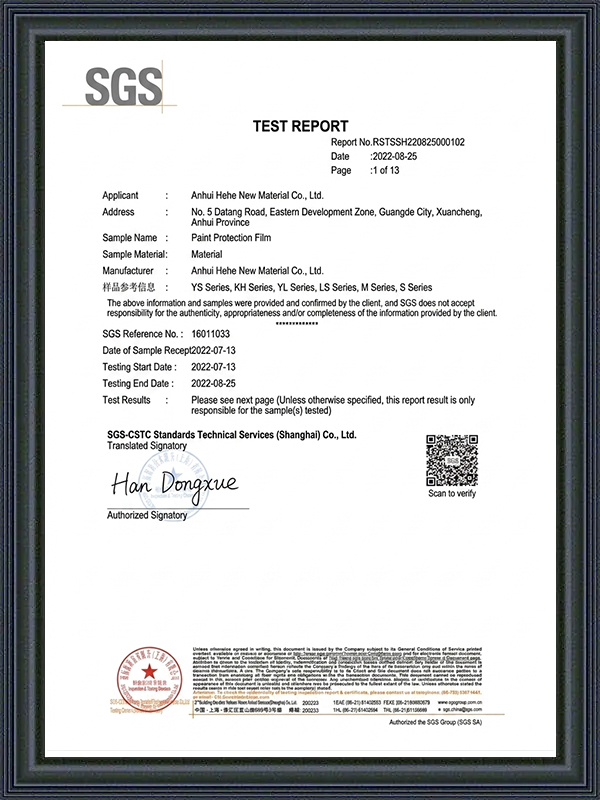
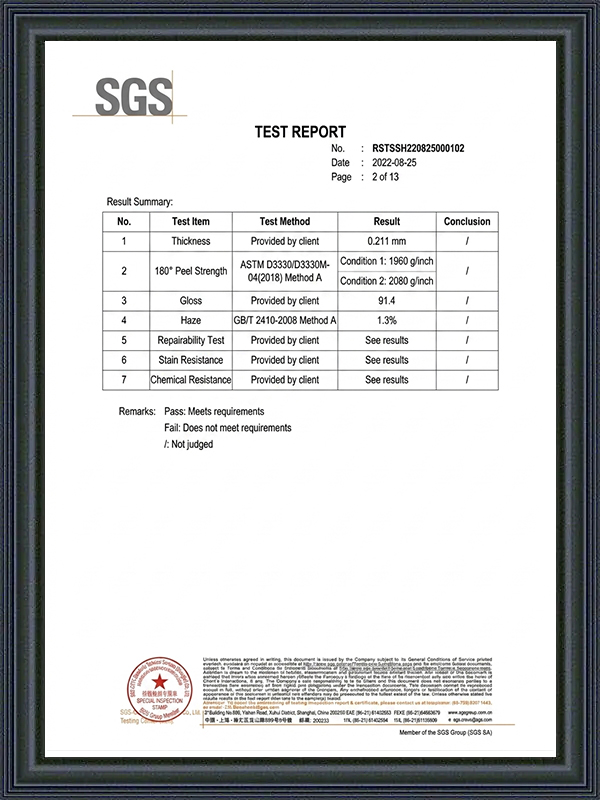
Anhui He He New Materials Co., Ltd. established in 2019, we are committed to developing a globally leading R&D and manufacturing platform for automotive films, providing cutting-edge film solutions for the automotive beauty, new energy battery, and 3C electronics industries. As Car Sunroof Film Manufacturers, HEHE are a direct manufacturer, a true full-industry-chain production factory. We have a complete in-house system covering specialty adhesive R&D, functional coating formulation, and precision coating production. Leveraging our full-industry-chain advantages, we offer not only contract manufacturing but also in-depth customization. Custom Sunroof Protection Film. We can tailor film thickness and coating performance to your brand requirements, helping you build differentiated brand competitiveness.
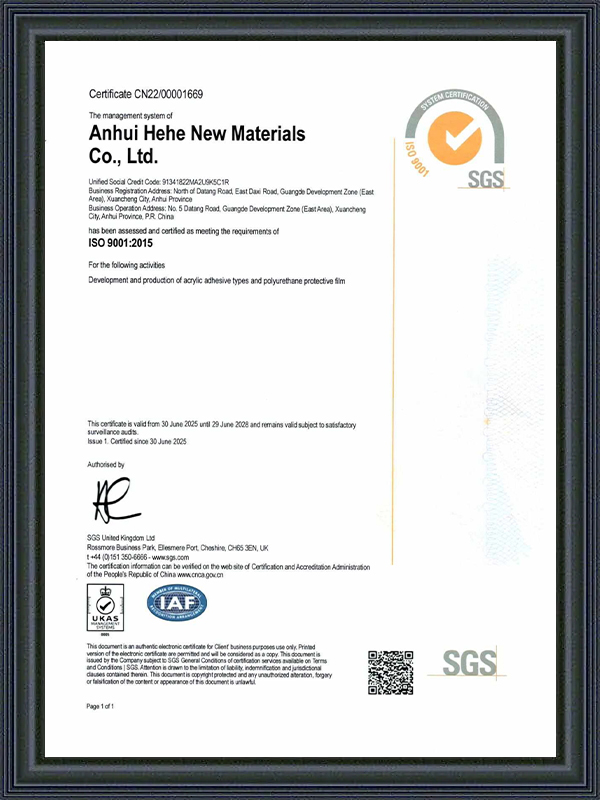
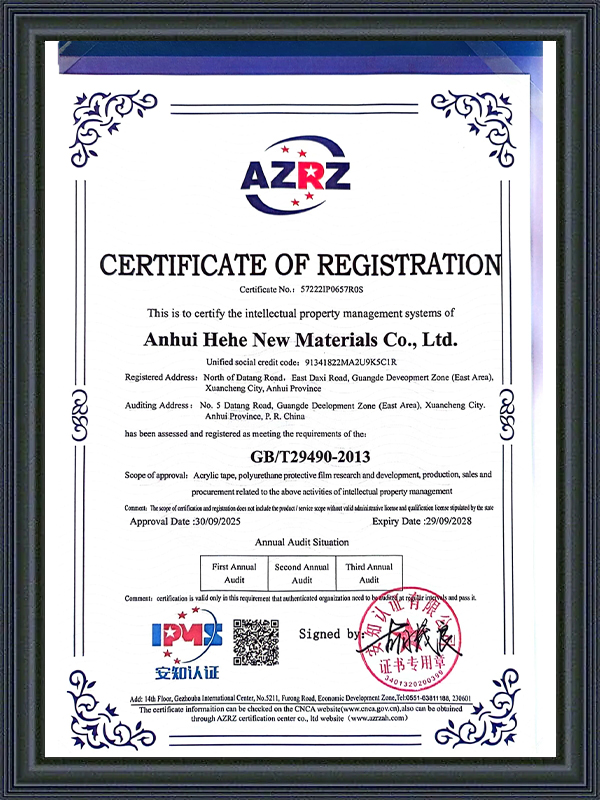
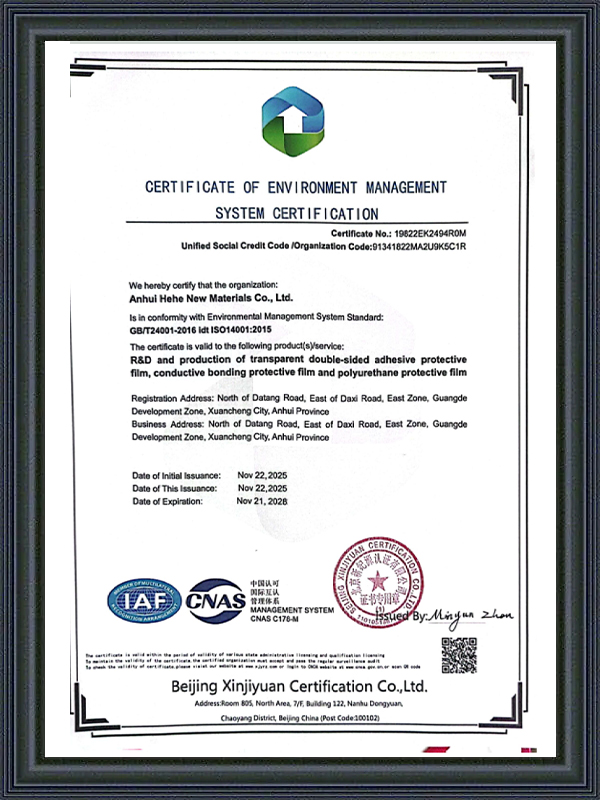
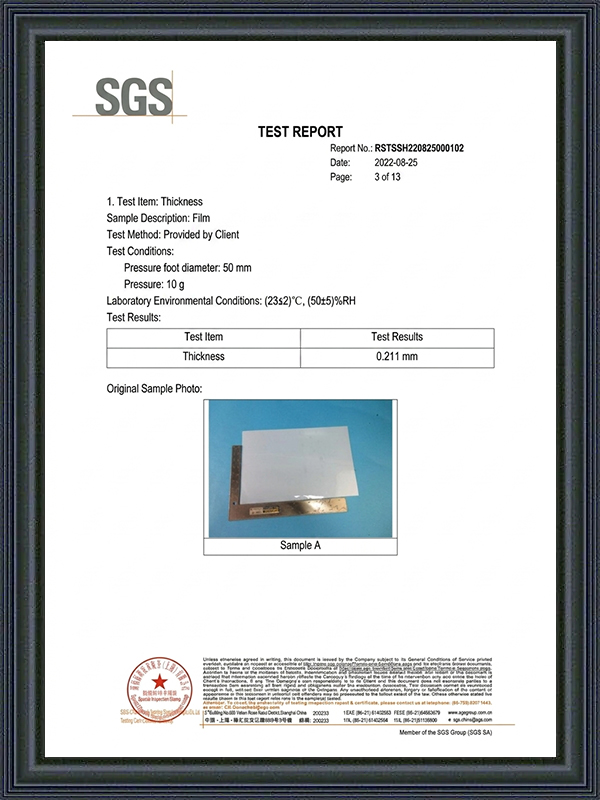
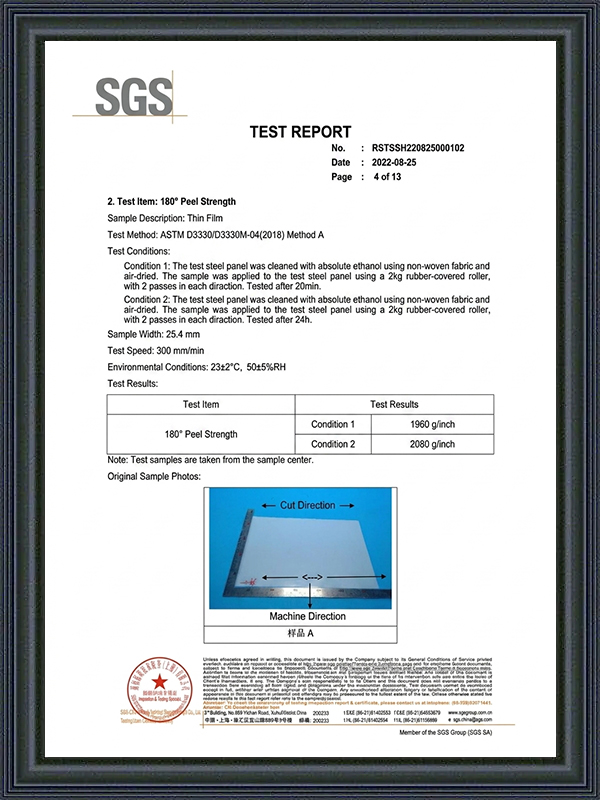
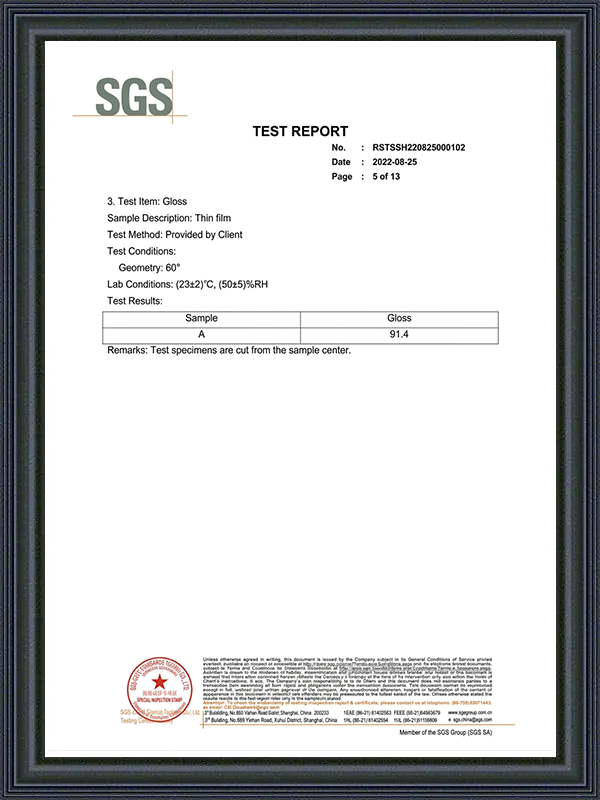
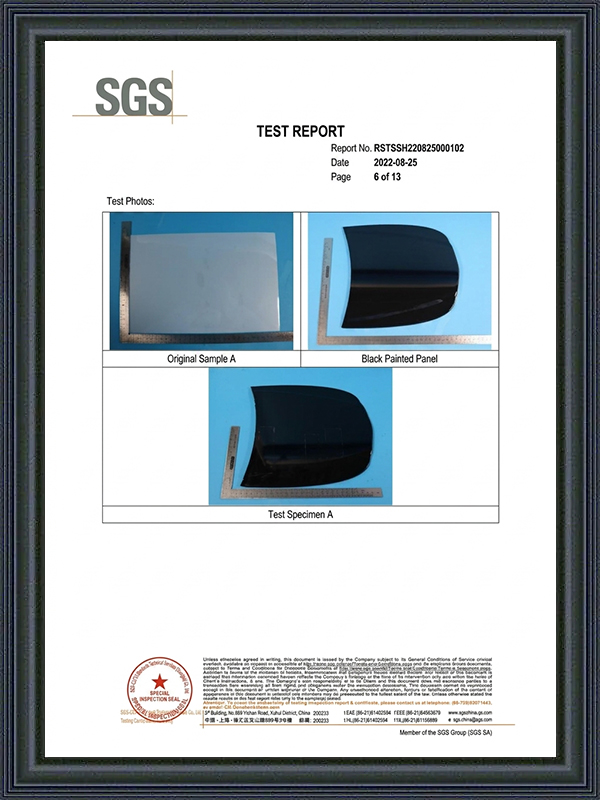
Quality Assurance
LEARN MORE
NEWS &
EXHIBITIONS


Industry Knowledge
The Thermal Trap Phenomenon in Panoramic Roofs and Radiant Heat Rejection
A panoramic sunroof transforms a vehicle cabin into a solar oven through the greenhouse effect: short-wavelength sunlight enters, is absorbed by interior surfaces, and re-radiates as long-wave infrared that cannot escape through the glass. A Car Sunroof Film must break this cycle, and its effectiveness is measured not by visible darkness but by its ability to reflect near-infrared radiation before it enters the cabin. Anhui He He New Materials Co., Ltd., established in 2019, engineers sunroof-specific optical stacks within its full-industry-chain precision coating production that target the 780–2500nm solar IR band. By depositing spectrally selective nano-ceramic layers or sputtered metal-dielectric stacks, our Sunroof Window Film can reject over 90% of infrared energy while maintaining high visible light transmission, preserving the open, airy feeling that motivated the customer to choose a panoramic roof in the first place. The direct comfort benefit is quantified by the Mean Radiant Temperature reduction felt by occupants' heads and shoulders—a metric far more relevant than simple Total Solar Energy Rejected percentages. As a direct manufacturer of wholesale TPU clear protective film, HEHE can tailor the absorption-to-reflection ratio of the functional coating, ensuring the glass itself remains cooler to the touch than untreated glass, preventing the "overhead heater" sensation that plagues many factory panoramic roofs and directly reducing air-conditioning demand in the new energy battery vehicle segment.
Dissipating Absorbed Energy: The Role of Substrate Thermal Conductivity
Even a highly reflective Sunroof Protection Film absorbs a fraction of solar energy. If this heat cannot dissipate efficiently, the film and glass temperature rise, and the absorbed energy eventually radiates into the cabin as secondary long-wave IR. Anhui He He New Materials Co., Ltd. addresses this through the thermal transport properties of the film substrate itself. Our TPU clear PPF base formulated for sunroof applications incorporates thermally conductive yet electrically insulating ceramic micro-fillers within the polymer matrix. This increases the in-plane thermal diffusivity, allowing localized heat absorbed by a nano-ceramic particle to spread laterally across the glass pane rather than building up directly above the passenger seat. The table below contrasts the thermal management performance of a standard absorbing film versus a HEHE Sunroof Window Film engineered with this dissipative substrate, illustrating why substrate engineering is as critical as coating formulation:
| Thermal Parameter | Standard Absorbing Sunroof Film | HEHE Thermally Dissipative Sunroof Film |
| Peak Glass Inner Surface Temp | 55–62°C (Concentrated hot spots) | 42–48°C (Uniform temperature distribution) |
| Cabin Radiant Heat Flux (W/m²) | High (Concentrated re-radiation overhead) | Significantly reduced (Diffused thermal load) |
| Impact on New Energy Battery Range | Higher HVAC load, reduced summer range | Lower compressor demand, extended range |
Exterior-Mount Durability: The Ultimate Accelerated Weathering Gauntlet
Unlike side window films applied inside the cabin, a Sunroof Protection Film is frequently installed on the exterior surface of the glass to provide impact protection against stone chips and hail. This exterior placement subjects the film to continuous UV bombardment, acid rain etching, automatic car wash brush abrasion, and thermal shock from sudden cold-water quenches on a heat-soaked roof. Anhui He He New Materials Co., Ltd. designs its exterior-grade Sunroof Protection Film using an aliphatic TPU base that is inherently UV-stable and will not yellow or chalk. The functional coating formulation on the top surface includes a dense, crosslinked siloxane hardcoat that provides sacrificial self-healing against fine swirls while resisting the alkaline detergents used in tunnel washes. As a true full-industry-chain production factory, we validate this durability by subjecting every new formulation to a proprietary accelerated lifecycle test: 5000 hours of xenon-arc weathering combined with a weekly thermal shock cycle from +90°C to -20°C, ensuring the Car Sunroof Film remains optically clear and securely bonded to the glass for the functional life of the vehicle. Our specialty adhesive R&D simultaneously formulates the mounting adhesive to withstand the same stress regime without peeling at the leading edge where wind shear at highway speeds is most aggressive.
Hail Impact Energy Dissipation and Glass Fracture Control
An exterior-installed Sunroof Protection Film serves as a sacrificial energy absorber against hail impact. Tempered sunroof glass shatters into small, relatively blunt cubes upon catastrophic failure, but before that point, a glancing hailstone can initiate a subsurface cone crack that weakens the entire panel. Anhui He He New Materials Co., Ltd. tailors the viscoelastic damping of its TPU clear layer specifically for the millisecond-duration impulse of hail. Through finite element simulation validated by ice-ball cannon testing, we engineer a film thickness and modulus combination that spreads the impact force over a wider area of the glass, reducing the peak tensile stress that drives crack formation. Our in-depth customization capability allows us to offer a range of thicknesses from 6 mil for standard protection up to 12 mil for regions with severe hail risk. The list below outlines the critical impact parameters our R&D platform optimizes, bridging the requirements of the automotive beauty sector for invisibility with the protective demands of the new energy battery industry for glass roof integrity:
- Peak deceleration force transmitted to the glass substrate: Must be reduced by over 40% compared to bare glass to prevent Hertzian cone crack initiation from a 25mm ice ball at terminal velocity.
- Self-healing recovery time of the impact crater: The functional topcoat must recover over 90% of its original surface smoothness within 60 seconds at 25°C to prevent a permanent blemish visible from inside the cabin.
- Adhesive energy dissipation during impact: The specialty adhesive layer must absorb shear energy without cavitation; any micro-voids formed at the film-glass interface become initiation points for future delamination under freeze-thaw cycling.
Interlayer Adhesion for Rollable Sunroof Shades and Moving Parts
Modern vehicles increasingly feature operable panoramic roofs with fabric sunshades that slide across the glass underside. If a Sunroof Window Film is applied to the interior glass surface, the shade mechanism can abrade the film edge or catch on a lifting corner. Anhui He He New Materials Co., Ltd. addresses this mechanical interaction risk during the product design phase. Our precision coating production platform can create a tapered edge profile during the die-cutting process—a feathered edge rather than a sharp 90-degree step—so the sliding shade glides over the film without snagging. Furthermore, our functional coating formulation for interior applications includes a low-friction slip additive in the topcoat, reducing the coefficient of friction against the shade fabric below 0.15. For contract manufacturing clients, we can also integrate a hard, clear edge sealant band directly into the film construction during coating, providing a robust, non-lifting perimeter that withstands thousands of open-close cycles. This attention to mechanical integration reflects our commitment to providing cutting-edge film solutions that address not just the optical and thermal properties of Car Sunroof Film, but its long-term interaction with the vehicle's dynamic systems.
Moisture Vapor Transmission and the Prevention of Interlayer Fogging
A laminated panoramic roof glass comprises two glass sheets bonded by a PVB interlayer. Applying a Sunroof Window Film with a very low moisture vapor transmission rate to the interior surface can trap residual moisture migrating outward from the PVB, causing a permanent foggy patch between the film and the glass. Anhui He He New Materials Co., Ltd. engineers its TPU substrate for interior sunroof applications with a controlled, moderate moisture vapor transmission rate that allows the glass interlayer to breathe over time. Simultaneously, the specialty adhesive is formulated with hydrophilic nano-porous domains that sequester water molecules at a molecular level without forming visible liquid water droplets. This prevents the "water sandwich" optical defect while maintaining strong bond strength. Our R&D platform validates this performance through a 1000-hour test at 50°C/95% relative humidity with a glass-PVB-foil-fabricated sandwich, inspecting for any haze formation weekly. This level of material science integration—considering the film, the glass, and the interlayer as a single system—is a hallmark of our full-industry-chain approach, distinguishing a true direct manufacturer from resellers of wholesale clear protective film who cannot modify the base polymer's transport properties.
Tinted Gradient Fade for Integrated Sun Visor Functionality
A flat-tint sunroof compromises either daytime visibility or solar protection. Anhui He He New Materials Co., Ltd. manufactures gradient Sunroof Protection Film that transitions from a dark, highly protective band at the leading edge to a clearer finish toward the rear, mimicking the function of a built-in sun visor without mechanical parts. This gradient is achieved within our precision coating production through a dynamically controlled slot-die that varies the wet coating thickness of the IR-absorbing ceramic layer along the web length. The challenge is that the gradient must follow a precise, repeatable curve synchronized with the sunroof glass dimensions of a specific vehicle model. Our in-depth customization service allows OEMs and aftermarket brands to specify the gradient start point, the slope of the transition, and the endpoint density, which we then encode into the coating recipe. The table below details the technical advantages of this dynamic coating approach over traditional static window film applications for panoramic roofs:
| Gradient Feature | Conventional Solution | HEHE Precision Gradient Sunroof Film |
| Visor Band Creation | Separate dark strip overlay (Visible seam, lifting edge risk) | Seamless dyne-level fade within single film layer |
| Forward-Driver View Obstruction | Risk of sharp horizontal line in field of view | Smooth photometric transition, no perceptible boundary |
| Aesthetic Integration | Add-on appearance | Factory-integrated premium gradient aesthetic |
Adhesive Residue-Free Removability for Leased Vehicle Compliance
A significant portion of Car Sunroof Film customers lease their vehicles and must return them with the glass in factory condition. An aggressively bonding adhesive that secures the film perfectly for five years may tear the PVB interlayer or leave a ghostly residue upon removal that incurs lease-end penalties. Anhui He He New Materials Co., Ltd. develops its specialty adhesive for sunroof applications as a "snap-release" viscoelastic. It maintains high static shear strength to prevent creep under constant solar load, yet releases cleanly when a specific peel angle and rate are applied during removal. The key is a microphase-separated block copolymer structure within the adhesive that undergoes a coordinated molecular reorientation at the removal stress, breaking the bond at the glass interface without cohesive splitting. Our technical support provides installers with the exact removal temperature window and pull rate for clean detachment. This design for end-of-life, informed by our full-industry-chain knowledge of both automotive beauty market cycles and material science, protects the vehicle owner and the installer from liability, a critical value-add that distinguishes a genuinely engineered Sunroof Protection Film from a repurposed general-purpose architectural or automotive film.
GET THE LATEST QUOTATIONS
-
 No. 5, Datang Road, East District, Development Zone, Guangde City, Xuancheng City, Anhui Province,242200, China
-
 [email protected]
-
 +86 18170340295
PRODUCTS
MOBILE WEB
Copyright Anhui He He New Materials Co., Ltd. All Rights Reserved.
