
 English
 русский
 Français
 Español
 Português
 Deutsch
 عربى
عربى
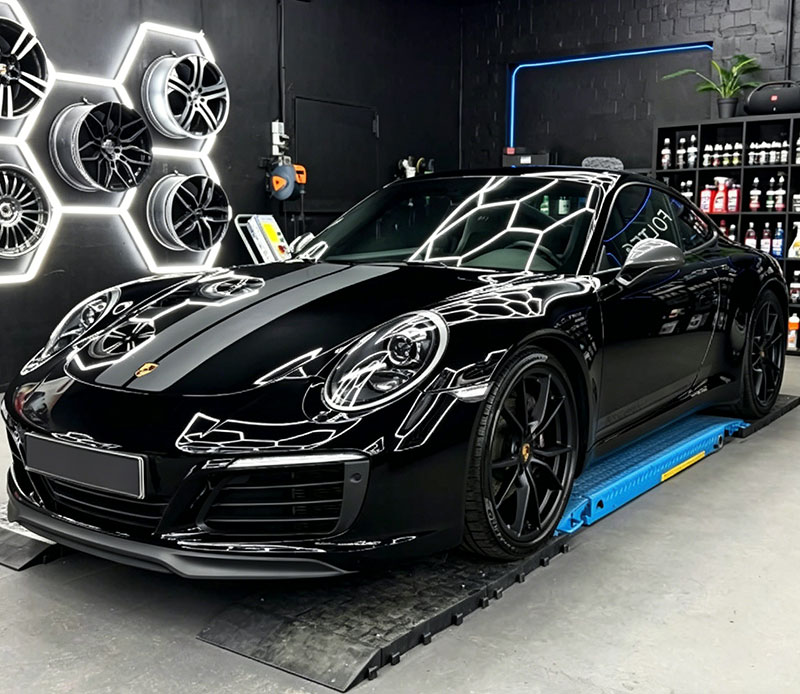
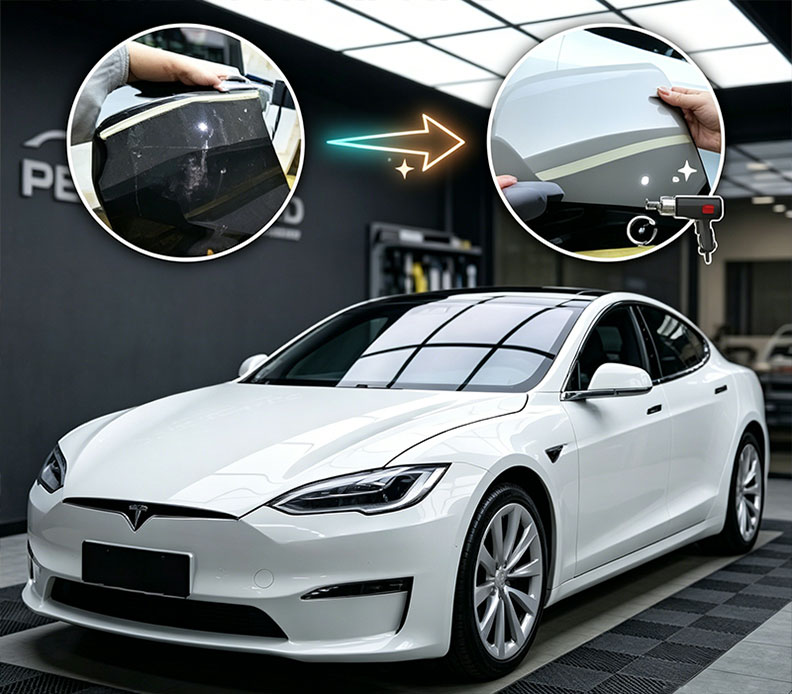
Make an absolute statement with the Laser Black TPU Color PPF — a cutting-edge, technologically sophisticated film that elevates black to an entirely ...
See Details
TPU Clear PPF: Ultimate Protection for Your Car's Paint
Content
The Science Behind TPU Clear PPF
A single stone chip can devalue a vehicle by hundreds of dollars, yet fewer than 15% of new car buyers invest in paint protection film at the point of purchase. Most drivers assume wax or ceramic coatings are enough—but they leave factory paint vulnerable to physical impact. Thermoplastic polyurethane (TPU) clear PPF changes that equation entirely.
TPU is an elastic urethane polymer with a molecular structure that absorbs kinetic energy from road debris. When a rock strikes the film, the urethane layer deforms momentarily and then rebounds, dispersing the force before it reaches the clearcoat. Modern TPU formulations incorporate an elastomeric topcoat that responds to heat. Minor scratches disappear in minutes under sunlight or with a heat gun—a process called self‑healing.
Unlike early-generation films, today’s TPU clear PPF is optically transparent. Advanced adhesive systems prevent edge yellowing and oxidation, even after years of UV exposure. A properly cured installation delivers gloss levels indistinguishable from bare paint, while adding 8–10 mils of thickness that factory clearcoat can’t match.
Performance Characteristics You Can Measure
Not all clear paint protection films are built on the same chemistry. Lower‑cost vinyl‑based films rely on polyvinyl chloride (PVC) and plasticizers that degrade predictably. TPU outperforms them across every metric that matters for long‑term ownership.
| Feature | TPU Clear PPF | Standard Vinyl (PVC) Film |
|---|---|---|
| Self‑Healing | Yes (heat‑activated topcoat) | No |
| UV Resistance | Topcoat blocks 99%+ UV; no yellowing for 7‑10 years | Plasticizers leach within 2‑3 years; turns yellow |
| Optical Clarity | Crystal clear; adds gloss depth | Often hazy; orange peel texture |
| Thickness | 6‑10 mils (150‑250 microns) | 3‑4 mils |
| Adhesion Reliability | Pressure‑sensitive acrylic; clean removal without residue | Solvent‑based; often lifts or leaves adhesive behind |
| Cost | Higher upfront; lower lifetime cost | Cheaper; needs replacement twice as often |
The difference in yellowing alone makes TPU the practical choice. Vinyl films absorb UV at the molecular level, breaking chemical bonds that discolor and embrittle the film. TPU’s topcoat acts as a permanent UV barrier, so the film stays optically stable far longer.
Selecting the Right Grade of TPU Clear PPF
Not every vehicle or budget calls for the same level of protection. TPU clear PPF is available in three distinct tiers, each engineered for a specific balance of durability and price.
- Economy TPU Clear PPF: Uses a single‑layer urethane structure without a self‑healing topcoat. It provides the impact absorption of TPU but leaves surface scratches unrepaired. Suitable for lease returns or vehicles driven on smooth highways, it’s a budget‑conscious entry point.
- Premium TPU Clear PPF: Adds a hydrophobic topcoat that repels water, dirt, and minor abrasions. The self‑healing response activates within seconds in sunlight, and the gloss enhancement rivals a fresh polish. Ideal for daily drivers and high‑value sports cars. For exact specifications, see premium‑grade TPU clear PPF.
- Instant Self‑Healing TPU Clear PPF: Incorporates an advanced elastomeric topcoat that recovers from scratches almost immediately—no heat gun required. When you need zero‑downtime protection after a weekend drive, instant self‑healing TPU film sets the benchmark.
Thickness also varies: 6‑mil films prioritize flexibility for complex curves, while 10‑mil films maximize impact resistance on high‑exposure panels like the hood and front bumper. Match the grade to how you use the vehicle, not just the purchase price.
Professional Installation is Non‑Negotiable
Even the most advanced TPU clear PPF performs poorly if it’s not applied correctly. Installing PPF requires a controlled environment, precision‑cut patterns, and a deep understanding of slip solution ratios and tack stages.
Certified installers use plotter‑cut templates that fit panels exactly, eliminating knife‑on‑paint risk. The film is floated on a lubricating slip solution, positioned, then squeegeed from the center outward to remove air and moisture pockets. Heat treatment activates the adhesive’s final bond and triggers the initial self‑healing memory. DIY kits skip critical steps—stretching, gel‑coat pre‑heating, and edge wrapping—leading to premature lifting and dirt ingress.
Expect full‑front coverage installation to take 4‑6 hours for a professional job. Curing continues for up to 48 hours; during this window, avoid high‑pressure washes and highway speeds that force moisture under the film.
Long‑Term Care and Durability
TPU clear PPF demands minimal maintenance, but a few habits extend its service life dramatically. Wash the vehicle with a pH‑neutral automotive soap and a microfiber mitt—harsh detergents can dull the topcoat over time. Avoid directing a pressure washer stream at film edges; keep the nozzle at least 12 inches away.
When waxing, choose a synthetic sealant or a PPF‑specific spray wax that contains no petroleum distillates. Abrasive polishes can etch the healing topcoat, so skip compounding entirely. If you spot a deep gouge that doesn’t self‑heal, a professional can often replace just the damaged panel section without redoing the entire front end.
With proper care, a quality TPU clear PPF installation resists yellowing, cracking, and peeling for 7 to 10 years. That’s beyond the typical ownership cycle for many drivers, making it a one‑time investment.
Investing in Your Vehicle’s Future
A well‑installed TPU clear PPF pays for itself the first time a rock kicks up from the road. It preserves resale value, eliminates paint correction costs, and keeps your vehicle looking showroom‑fresh through every season. Choose the grade that matches your driving environment—economy for low‑risk commutes, premium for daily protection, and instant self‑healing when downtime isn’t an option.
Stop treating paint protection as an afterthought. The film goes on once, it works every mile, and it’s the only barrier that actively deflects physical damage rather than just coating the surface.
Related products
-
-
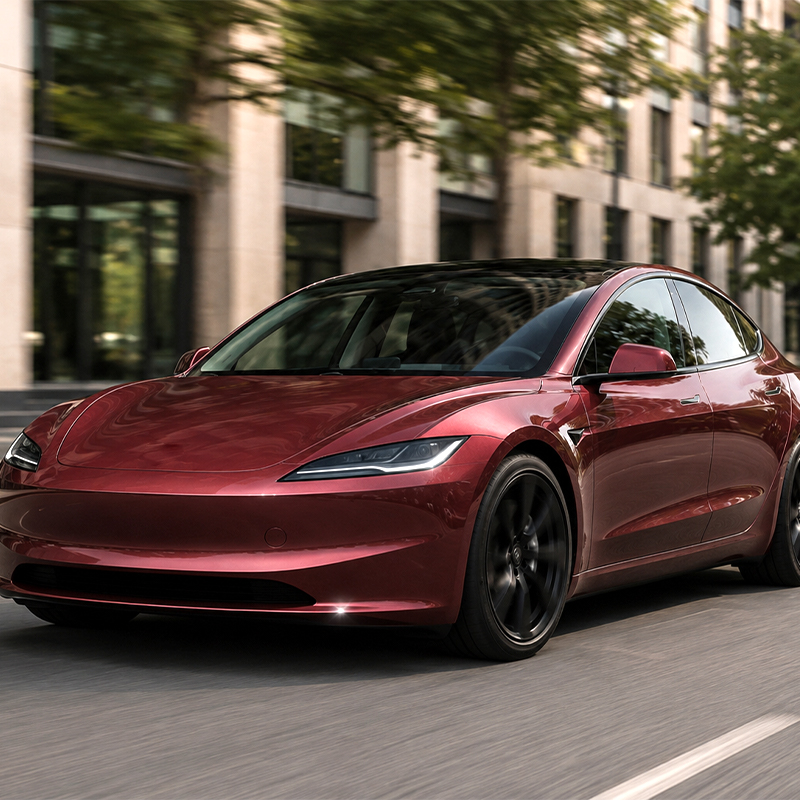
Black Rose is a dual-color chameleon TPU paint protection film that shifts between deep, velvety black and rich rose red depending on light and viewin...
See Details -
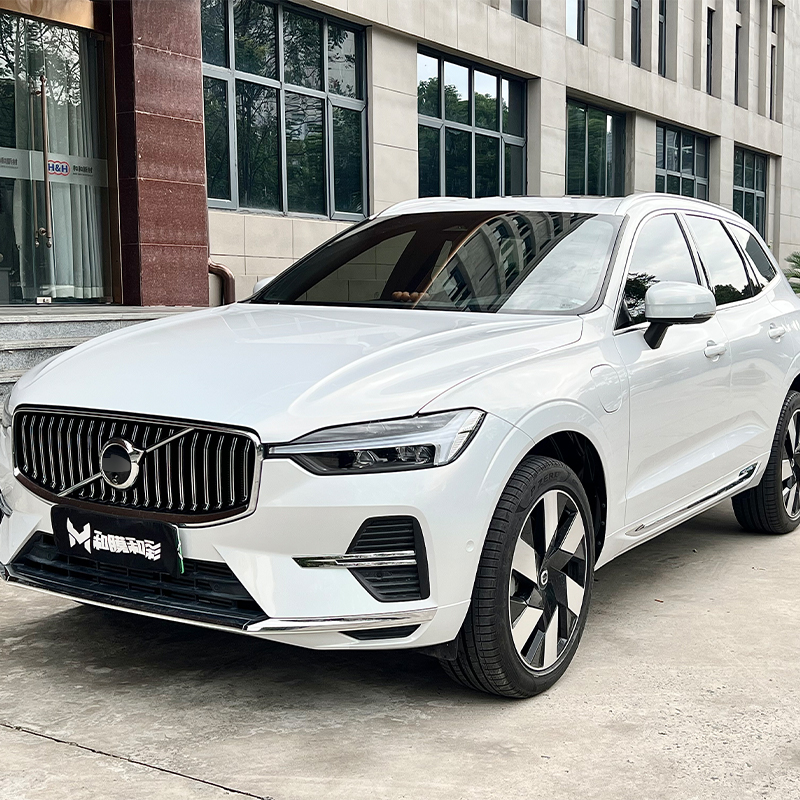
Elevate your vehicle's appearance with the High Gloss Laser White TPU Color PPF — a premium paint protection film that transforms your car with a stun...
See Details -
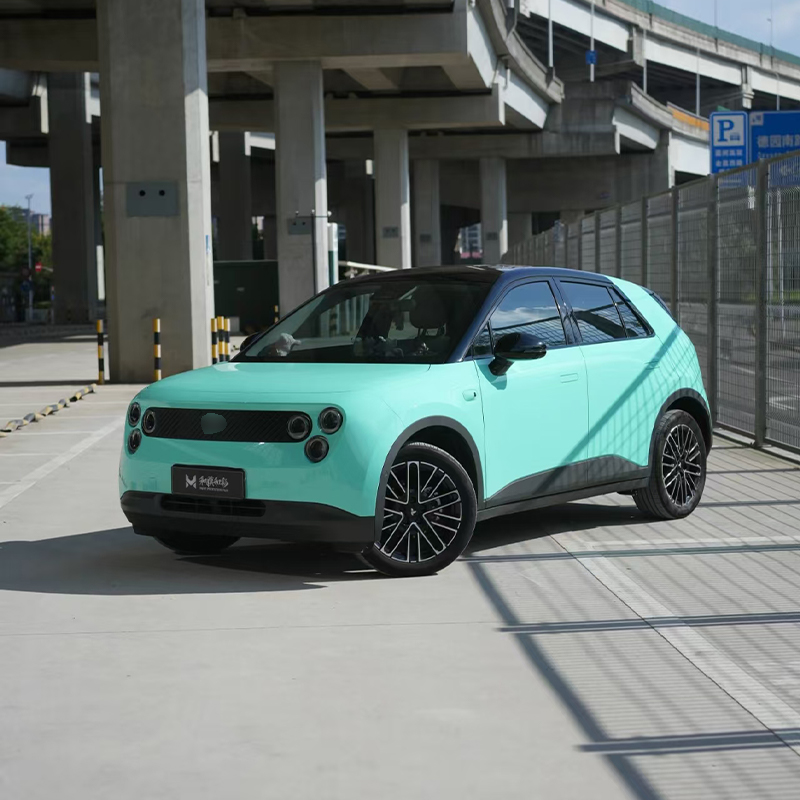
Tiffany Blue is an iconic and luxurious color change PPF that captures the legendary elegance of the world's most coveted robin-egg blue. This signatu...
See Details
GET THE LATEST QUOTATIONS
-
 No. 5, Datang Road, East District, Development Zone, Guangde City, Xuancheng City, Anhui Province,242200, China
-
 [email protected]
-
 +86 18170340295
PRODUCTS
MOBILE WEB
Copyright Anhui He He New Materials Co., Ltd. All Rights Reserved.
 Wholesale TPU PPF Film Automotive TPU PPF Manufacturer