
 English
 русский
 Français
 Español
 Português
 Deutsch
 عربى

Make an absolute statement with the Laser Black TPU Color PPF — a cutting-edge, technologically sophisticated film that elevates black to an entirely ...
See Details
Home / News / Industry News / What Is Pure PPF? How to Tell Genuine TPU Paint Protection Film from Vinyl
What Is Pure PPF? How to Tell Genuine TPU Paint Protection Film from Vinyl
Content
You want to take a factory-black car into something with more character, and the installer quotes a colored film and calls it pure PPF. Before discussing price, one question decides everything: is that roll a genuine TPU paint protection film, or a vinyl wrap wearing a better-sounding name? The answer determines whether you pay for color alone or for color plus real protection of the paint underneath.
The short answer first: pure PPF is a film whose base layer, top coat and adhesive are all engineered around 100% aliphatic thermoplastic polyurethane. That single material decision is why it stretches over deep-draw bumpers, heals fine scratches with a little heat, absorbs stone chips and stays optically clear for years outdoors - performance vinyl cannot match at any price. The sections below turn that answer into practical checks you can run before signing anything.
Pure PPF, defined: a multi-layer film built on an aliphatic TPU base - not PVC, not aromatic TPU, not a blend - finished with a self-healing top coat and a clean-removing pressure-sensitive adhesive.
What "Pure" Means in Pure PPF
Every genuine PPF, clear or colored, is a laminate of three working layers. A TPU base film carries roughly 6 to 7 mils of the total thickness and provides elasticity and impact absorption. Above it sits a 0.5 to 1 mil top coat, an elastomeric layer with a low softening point, so light swirl marks flow flat again when warmed by sunlight, engine heat or warm water. Underneath is a pressure-sensitive adhesive, tuned for medium tack: the film holds through car washes and highway miles, yet peels off years later without dragging the paint with it. A release liner protects the adhesive until installation. All told, a proper film runs about 7.5 to 9 mils, or roughly 190 to 230 microns.
The word "pure" is doing real work in that name. Aliphatic TPU keeps the polymer chain free of the UV-reactive ring structures that turn aromatic grades yellow and brittle, which is why aliphatic resin costs more and is the only acceptable base for a film promising years of clarity. Many low-budget rolls are PVC, aromatic TPU, or a blend of the two, sold in PPF-style packaging. The material claim, not the printing on the box, is what separates a pure TPU film from an imitation - and the next section shows how that difference shows up on the car.
Pure PPF vs Vinyl Wrap: The Gap That Matters
Vinyl was designed as a coloring tool; PPF was designed as armor. When both are offered in the same shade, this is where the two products actually part ways.
| Property | Pure TPU PPF | Calendered vinyl wrap |
|---|---|---|
| Base material | 100% aliphatic TPU | Plasticized PVC |
| Typical total thickness | 7.5 - 9.0 mil (190 - 230 microns) | 3.0 - 4.5 mil (76 - 114 microns) |
| Self-healing top coat | Standard; swirls recover with heat | Not available |
| Stone chip and impact protection | Absorbs road debris hits | Cosmetic only, no impact layer |
| Typical outdoor service life | 5 - 10 years | 2 - 5 years before fade and edge wear |
| Removal on aged film | Peels cleanly from quality adhesive | Elevated risk of residue and paint pull |
Representative performance: pure TPU PPF vs vinyl wrap
Representative mid-range values for illustration; actual figures vary by grade and manufacturer.
The practical consequence is simple. A vinyl wrap changes appearance; colored pure PPF changes appearance and keeps doing the job of a clear bra at the same time. Owners who later remove a quality film typically find the factory paint underneath in near-delivery condition - one reason colored PPF has become the default recommendation for leased vehicles and collector cars alike.
Six Numbers to Check Before You Buy
Specifications separate factories from traders faster than any brochure. Ask a supplier for data and these six items should appear with actual values, not adjectives.
- Total thickness and tolerance. Around 8.0 mil with a tolerance of plus or minus 5% is a defensible target; films under 6.5 mil give up meaningful chip resistance.
- Yellowing resistance. Request a delta-b value after the stated UV-accelerated aging cycle; for aliphatic film, a delta-b below about 2 is a workable benchmark.
- Self-healing behavior. Fine scratches should vanish under warm water or sunlight within minutes - ask for recovery time at a stated temperature, not just a "self-healing" label.
- Mechanical properties. Elongation at break of 200% or more, with adequate tensile strength, is what lets one film conform to deep-draw bumpers and mirror caps without tearing.
- Adhesive behavior. Medium initial tack, stable hold after high-pressure washing, and clean removability after three to five years without residue.
- Batch color tolerance for colored film. A delta-E of 1 or less between production batches keeps a two-roll hood install looking like one continuous color.
If scratch recovery is your top priority - daily driving, automatic car washes, tight urban parking - look at a grade where the top coat is tuned specifically for fast recovery:
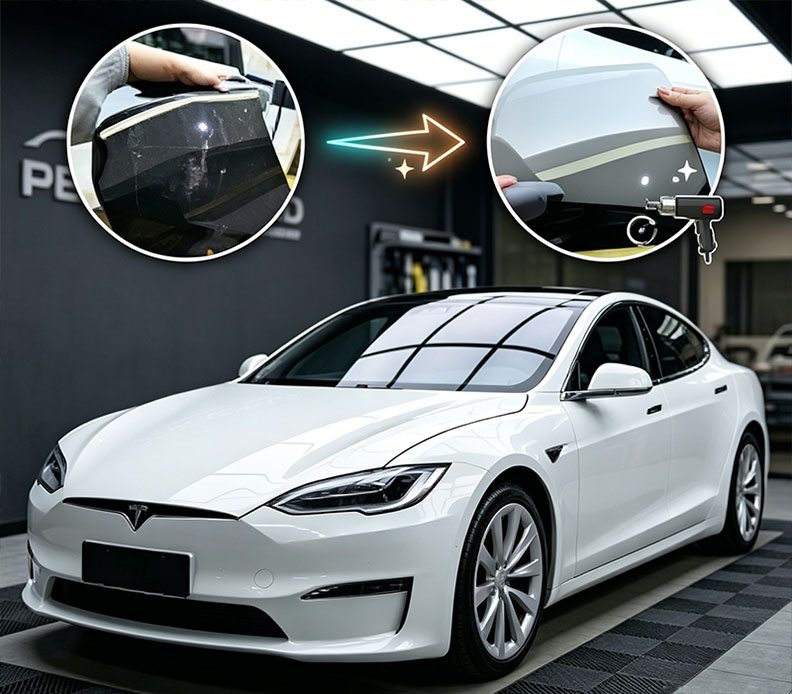 Instant Self-Healing TPU Clear PPFThis clear TPU film self-heals fine scratches within seconds at room temperature, no heat required. A strong pick for daily drivers facing car washes and tight urban parking, backed by a 5–8 year warranty and hydrophobic, stain-resistant protection.View Product →
Colored Pure PPF: Four Effect Families, One Protective Build
Colored pure PPF is not a different film with pigment added as an afterthought. The same TPU base, adhesive and top coat carry four distinct surface-effect technologies, and each family behaves differently on the car.
Crystal and high-gloss finishes
Crystal films deliver deep, candy-like color with a wet-look gloss, in shades such as Porsche Grey or Dragon Blood Red. Because the pigment sits inside a TPU build rather than on a thin printed PVC layer, the gloss holds and the film still heals. Before comparing quotes, it helps to understand how a true crystal color PPF is defined and which performance data should back the name.
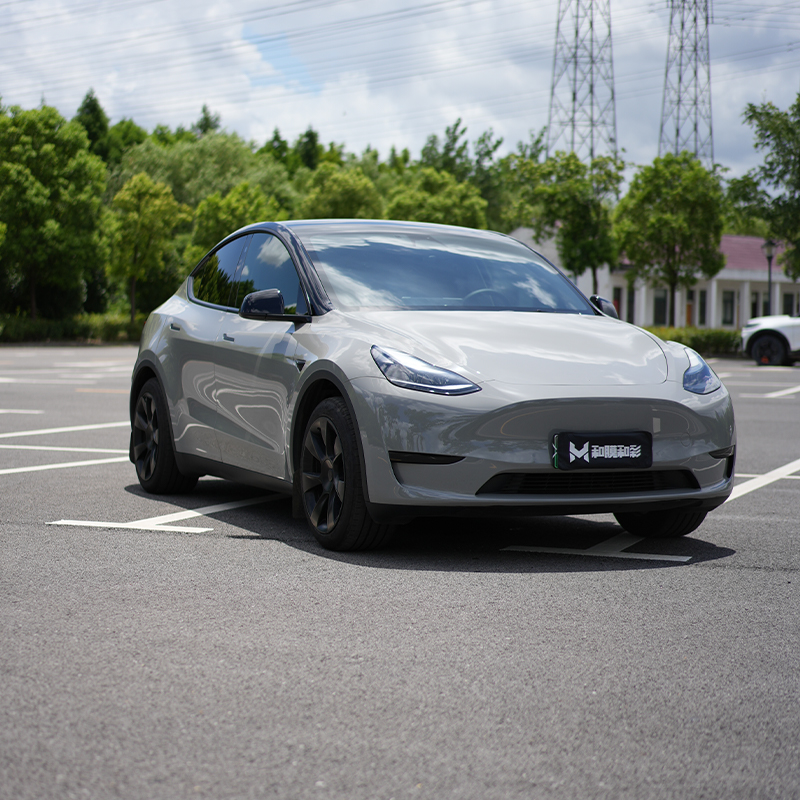 Porsche Grey Crystal TPU Paint Protection FilmA crystal color change PPF in a cool motorsport-inspired grey, built on a self-healing TPU base with repositionable adhesive. Pigment inside the TPU keeps the wet-look gloss durable while the film still protects against chips and UV fading.View Product →
Metallic pearl finishes
Pearlescent grades suspend fine flake in the film, producing the liquid, light-catching depth seen in colors like Liquid Silver or Forged Carbon Black. They read as "factory metallic plus" under sunlight while keeping full protective function.
 Liquid Silver Mirror Metallic TPU Wrap FilmWith ultra-high-density mirror-grade aluminum flakes over an 8.5 mil self-healing TPU core, this wrap delivers a liquid-flow metallic silver finish while shielding original paint—illustrating how pearlescent and metallic grades combine depth with full protection.View Product →
Matte and satin finishes
Matte PPF flattens reflections completely and hides swirl marks better than any gloss surface, which is why it is popular on off-road and performance builds. A black matte TPU film converts a gloss-black car into a stealth look while adding the same protective thickness.
Chameleon shifts
Chameleon films change hue with viewing angle - a multi-tone white that flashes blue and violet at the panel edges is a typical execution. They demand the most from installer skill and batch color control, so the delta-E requirement above matters most here.
Where Colored-Film Buyers Get Burned
Most disappointing outcomes trace back to a handful of recurring problems, all checkable before money changes hands.
- Substituted base material. PVC or aromatic TPU sold as pure TPU. PVC is denser (about 1.4 g/cm3 versus roughly 1.1 to 1.2 for TPU), and on a sample edge burned by trained staff it gives off acrid smoke while TPU melts into a sticky strand.
- Missing or thin top coat. The film looks fine on day one, then stains from bird droppings and refuses to heal, because the functional layer simply is not there.
- Adhesive failures. Edge lifting within the first months, or residue on removal, points to adhesive formulation rather than installer skill.
- Batch color drift. Hood and fender panels from different lots not matching; always request retained samples from the exact batch that ships.
- Buying on price alone. Entry tiers cut cost somewhere - usually base film or coating specification. Budget buying is legitimate, but confirm the roll is still 100% TPU and that the reduced specification is stated openly.
Tiering is a tool, not a trap. An economy tier that keeps the TPU base while simplifying the coating suits leased daily drivers nearing turn-in; premium grades buy the tightest tolerances and longest service life for vehicles you intend to keep.
This is also where a vertically integrated manufacturer differs from a trading company. A full-process factory controls base film formulation, coating, adhesive and final inspection in one chain, so batch consistency and traceability are engineering outcomes rather than promises. You can review how our quality control process is documented before committing to a sample order.
Colored pure PPF exists so you never have to choose between the look you want and the protection your paint deserves. The buying logic follows directly from the material: verify the aliphatic TPU claim, read the six specification numbers, match the tier to how the car is actually used, and hold the supplier to batch color tolerances on any multi-panel job. Do that, and the film will still be working - quietly, invisibly - long after a vinyl wrap would have faded, lifted and peeled.
If you are sourcing clear or colored pure TPU PPF in volume as an installer, distributor or brand operator, request spec sheets and sample panels and compare them under daylight against whatever else is on your bench. The differences are easier to see than to describe.
Related products
-
-
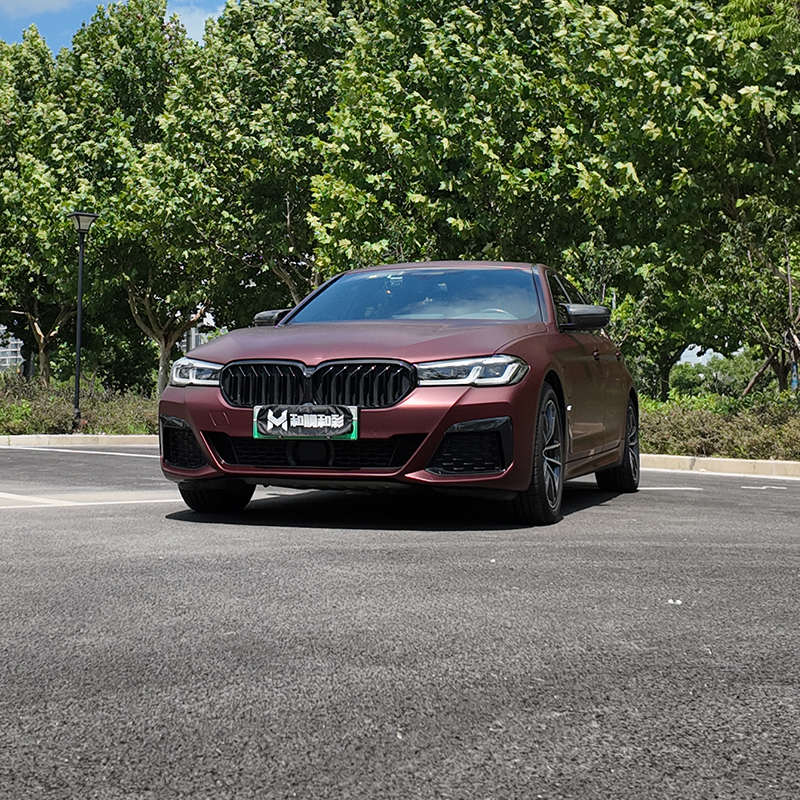
Experience the rare elegance of fine Burgundy wine in automotive form with the Matte Romanée Red TPU Color PPF — an ultra-matte film inspired by the l...
See Details -
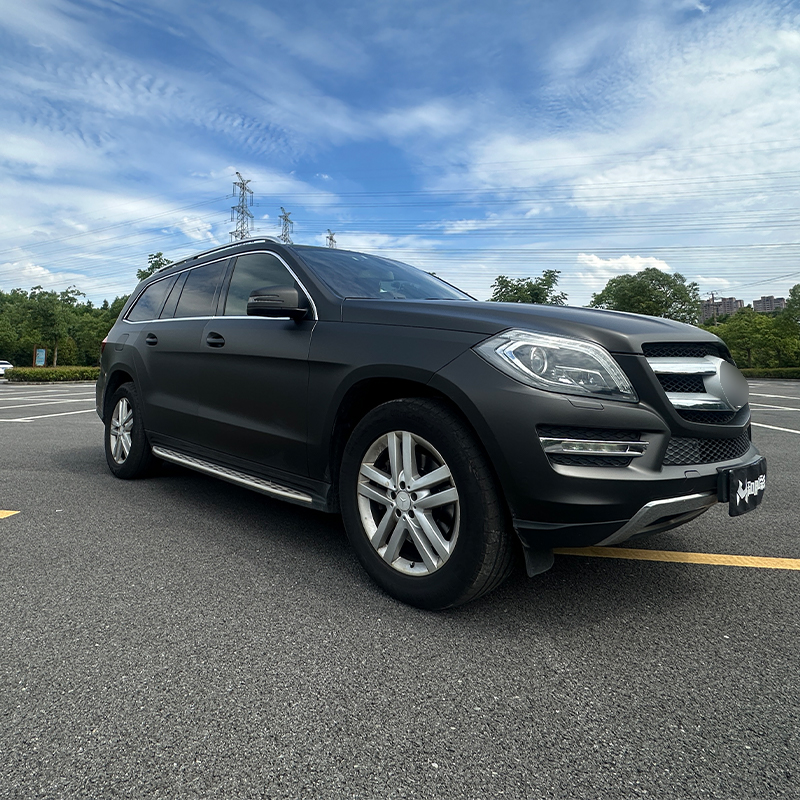
Define ultimate sophistication with the Black Matte TPU Color PPF — the purest, most essential expression of automotive minimalism available. This is ...
See Details -

Discover the ultimate fusion of darkness and brilliance with the Metallic Obsidian Gold TPU Color PPF — a rare, deeply sophisticated film that blends ...
See Details
GET THE LATEST QUOTATIONS
-
 No. 5, Datang Road, East District, Development Zone, Guangde City, Xuancheng City, Anhui Province,242200, China
-
 [email protected]
-
 +86 18170340295
PRODUCTS
MOBILE WEB
Copyright Anhui He He New Materials Co., Ltd. All Rights Reserved.
 Wholesale TPU PPF Film Automotive TPU PPF Manufacturer